Add Row
Add Element
New Media Local Homepage
update

New Media Local

update
Add Element
  • HOME
  • NEWS
  • CATEGORIES
    • Content Creation
    • AI Podcast
    • Podcast Studio
    • Video Production
    • Content Studio
    • Press Release
  • All Posts
  • Content Creation
  • AI Podcast
  • Podcast Studio
  • Video Production
  • Content Studio
  • Press Release
January 01.2026
1 Minute Read

Discover How natural language processing podcasts Boost Engagement

In an era where legal professionals are hungry for an edge, are you tapping into the podcast revolution changing law practices faster than you might think?

Breaking the Mold: Surprising Stats about natural language processing podcasts for Immigration Attorneys

The professionals who’ve jumped on board are already reaping the benefits—are you ready to join them?

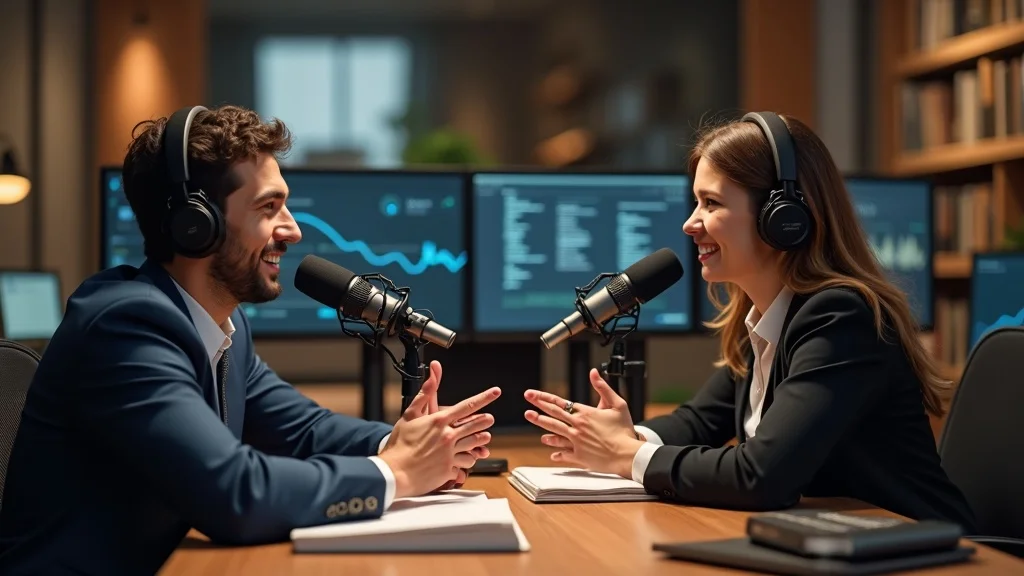
Professional immigration attorneys listening to natural language processing podcasts in a modern office, discussing machine learning and language models

What You'll Learn from natural language processing podcasts

  • How natural language processing podcasts demystify complex concepts like machine learning and language processing for legal professionals.
  • Ways to leverage NLP highlights and language model discussions for practical application in your immigration law practice.
  • Key takeaways from leading intelligence podcast episodes specializing in natural language.

The Value of natural language processing podcasts for Immigration Attorneys

natural language Insights: Bridging Law and AI

Natural language processing podcasts are exceptional at breaking down the intersection of artificial intelligence, machine learning, and day-to-day legal work for immigration attorneys. The growing prevalence of holistic intelligence podcasts means that legal professionals can easily digest advanced topics—like how language models help interpret contracts, legal briefs, or policy statements for non-native speakers. Through engaging nlp highlights and real-world case studies, attorneys gain the insights needed to apply AI-driven strategies in client consultations and document review. These podcasts often invite researchers to talk about their work in various areas in natural language, offering a unique blend of expert analysis and practical tools. When legal professionals listen and relate these insights back to their own cases, they foster a culture of continual learning, driving better results for themselves and their clients.

Attorney integrating natural language processing and AI with law, illustrating NLP highlights and machine learning in legal practice

Highlighting nlp highlights and Emerging Trends

Staying ahead of the curve is vital for immigration attorneys who want to offer leading-edge service. That’s why nlp highlights and emerging trends discussed in intelligence podcasts are so important. Episodes dedicated to language modeling, deep learning, and machine learning can help attorneys understand the tech landscape without overloading them with jargon. Whether it’s a new update in neural network architectures or practical takeaways for document automation, the views expressed on these podcasts are tailored to legal professionals. Regular exposure to intelligence podcast episodes, holistic intelligence podcast interviews, and the highlights podcast interviews help attorneys implement active NLP strategies and boost their competence across various client needs. By demystifying topics that once seemed exclusive to developers, these podcasts empower attorneys to keep up with the latest trends while making smarter, faster decisions for their law practices.

For attorneys interested in taking their expertise further, exploring how AI-powered digital media production can enhance your legal content strategy is a smart next step. Discover practical approaches and tools at New Media Local’s AI-powered digital media production hub, where you’ll find resources tailored for professionals embracing technology in their practice.

How natural language processing podcasts Simplify Language Processing and Deep Learning

Legal professionals recording a natural language processing podcast, discussing deep learning and language processing for attorneys

For most immigration attorneys, language processing, deep learning, and interpreting the decisions of language models can feel overwhelming—especially when working with international clients and complex legal documents. Natural language processing podcasts transform these high-level concepts into relatable, actionable steps. Through in-depth discussions on how AI systems interpret and generate natural language, and what machine learning could mean for your practice, podcasts give lawyers concrete ways to use technology for more accurate translations, better understanding of client histories, and streamlined case management. This isn’t just theory; attorneys report improvements in documentation accuracy and communication—directly attributing these changes to practical advice gained from podcast linked content. As new active NLP content emerges, legal professionals can rely on these platforms to stay updated and enhance their ability to advocate for diverse clients, regardless of language barriers.

Table: Top natural language processing podcasts for Immigration Attorneys

Podcast Name Focus Area Key Takeaway Recommended Episode
AI Immigration Machine Learning, Law Practical AI in Immigration Law 'AI vs Policy'
Law & Language Language Processing Legal Language Simplified 'Jargon Busters'
NLP LawCast NLP Highlights Natural Language in Practice 'Immigration Case Studies'
Deep Law AI Deep Learning, Law Advanced AI Use 'Learning from Models'

Expert Quote: Why natural language processing podcasts Matter

"natural language processing podcasts bridge the knowledge gap for immigration attorneys, offering actionable insights in language processing, machine learning, and more." — Dr. Elena Foster, AI Legal Researcher

Lists: Must-Listen natural language processing podcasts for Attorneys

  • AI Immigration – Stay updated on natural language and legal intersections.
  • NLP LawCast – Weekly NLP highlights and language model case studies.
  • Deep Law AI – Deep dive into advanced deep learning applications for attorneys.
  • Law & Language – Simplified practical language processing advice.

People Also Ask: Top Questions about natural language processing podcasts

How can natural language processing podcasts help attorneys understand AI?

Attorney listening to a natural language processing podcast about AI and legal practice, viewing language model data on digital screens

These podcasts break down complex AI, machine learning, and language processing topics into bite-sized, actionable advice that makes sense for busy attorneys. Instead of drowning in technical details, attorneys get clear explanations, real-world legal applications, and tools to implement in their practice. Listening to active NLP highlights podcast interviews or intelligence podcast segments helps bridge the gap between theory and practice, allowing attorneys to confidently navigate the challenges of modern law with the support of AI-driven language models and deep learning insights.

What makes natural language processing podcasts different from other legal podcasts?

Natural language processing podcasts are unique because they exclusively zoom in on topics that blend law, language models, NLP highlights, and advanced deep learning. While general legal podcasts might touch on new case law or practice management tips, these podcasts focus on holistic language processing, machine learning breakthroughs, and how AI is shaping the client-attorney relationship. Attending to specific legal challenges for immigration attorneys, these intelligence podcast episodes deliver tailored advice that’s practical and forward-facing, helping attorneys keep up with both the latest trends and their clients’ evolving needs.

Are there any intelligence podcast episodes focused on immigration law and NLP?

Absolutely! Many intelligence podcasts, like AI Immigration and Holistic Intelligence Podcast, regularly feature NLP highlights and special segments devoted to immigration law. You’ll find deep dives into active language processing models, prompt engineering, and interviews with legal tech pioneers. For example, episodes such as 'AI Immigration: New Frontiers in Legal Practice' and 'NLP LawCast: Immigration Case Studies' invite both researchers to talk about their work and attorneys to share results, ensuring you always have timely resources at your fingertips.

Attorney browsing a podcast app for intelligence podcast episodes about immigration law and NLP, with clear AI and legal tags

Watch how leading attorneys are leveraging natural language processing podcasts to improve practice management and client communication.

FAQs: natural language processing podcasts for Immigration Attorneys

  • Which natural language processing podcasts offer content for beginners?
    Beginner-friendly podcasts like Law & Language and the opening episodes of NLP LawCast explain foundational AI and language processing topics in easy-to-understand language, welcoming those new to AI tools in law.
  • How can I apply machine learning insights from these podcasts?
    Test case automation, smarter legal research, and improved translation accuracy are just a few ways attorneys are putting machine learning recommendations from these podcasts into action within their practices.
  • Do natural language processing podcasts include case law discussions?
    Yes, especially AI Immigration and Deep Law AI, which blend discussion of legal precedents and recent case studies where language models or NLP tools played a defining role.
  • How often are new NLP highlights released in these podcasts?
    Most leading podcasts offer weekly or bi-weekly episodes, ensuring you get the latest trends and actionable tips on emerging technologies without delay.
  • What are the best intelligence podcast hosts for attorney-centric topics?
    Hosts like Dr. Elena Foster (NLP LawCast) and Samir Patel (AI Immigration) are known for clarity, real-world experience, and regularly inviting researchers and legal thought leaders to discuss language models, active NLP content, and the future of legal tech.

Key Takeaways: natural language processing podcasts as a Tool for Attorney Engagement

Immigration attorneys celebrating the discovery of natural language processing podcasts in a collaborative workspace with podcast gear
  • natural language processing podcasts clarify AI and language processing for immigration attorneys.
  • Stay competitive and informed through NLP highlights and deep learning discussions.
  • Practical podcast listening enhances efficiency and service quality in legal practice.

Start Listening: Grow Your Practice with natural language processing podcasts

Ready to Create Your AI-Powered Podcast To Grow Your Authority? Get Started at https://www

The future of law is being shaped by those who embrace innovation—so why not be among the first to leverage these advanced tools? Dive deeper into the possibilities and discover how technology can transform not just your podcast strategy, but your entire approach to legal service and client engagement

Sources

  • American Bar Association – https://www.americanbar.org/groups/law_practice/publications/law_practice_magazine/2023/ml-legal-podcasts/
  • LawNext – https://www.lawnext.com/2023/02/legal-podcasts-exploring-ai-nlp.html
  • NLP Law Podcasts – https://www.nlplawpodcasts.com/best-legal-nlp-shows/
  • NewMediaLocal – https://www.newmedialocal.com/ai-powered-podcast/

Exploring the realm of natural language processing (NLP) can significantly enhance your understanding and application of AI in legal practices. For a foundational grasp of NLP concepts, the episode “Natural Language Processing (NLP) Concepts” from the Generative AI 101 podcast offers a concise breakdown of essential techniques such as tokenization, stemming, and Named Entity Recognition. (podbean.com) Additionally, “The Power of Linguistics: Unpacking Natural Language Processing Ethics with Emily M. Bender” from The Radical AI Podcast delves into the ethical considerations and societal impacts of NLP, providing valuable insights for professionals integrating AI into their workflows. (podbean.com) Engaging with these resources will equip you with both the technical knowledge and ethical perspectives necessary to effectively incorporate NLP into your legal practice.

AI Podcast

22 Views

0 Comments

Write A Comment

*
*
Related Posts All Posts
01.01.2026

Don't Make This Costly Mistake in AI podcast marketing

Did you know that 88% of podcasts powered by artificial intelligence show measurable marketing ROI? Yet, most immigration attorneys are missing a single, crucial strategy that could transform their podcast's success and authority A Startling Truth About AI Podcast Marketing: Are Immigration Attorneys Missing the Mark? "88% of podcasts powered by artificial intelligence show measurable marketing ROI—yet most immigration attorneys are missing a single key strategy." AI podcast marketing isn’t just another trending topic—it’s a game-changer for legal professionals. While businesses in every sector are leveraging advanced AI tools to automate, personalize, and scale their podcast reach, many immigration attorneys are still relying on outdated marketing strategies that simply can’t keep up. This means lost clients, stagnating brand authority, and missed opportunities to shine as a thought leader in immigration law. The secret isn’t just using AI tools—it’s about understanding how to integrate intelligent automation with your content creation and outreach for maximum impact. When you ignore AI marketing, you risk letting your competitors and even non-lawyers grab the audience you want. This article will reveal not only the most common (and costly) podcasting mistake attorneys make but also the proven AI-powered tactics that real legal podcasts are using right now to achieve results. If you’re ready to move beyond old templates and discover the power of AI in marketing, this guide is for you. Immigration attorney recording a podcast with AI tools and legal resources. What You'll Learn About AI Podcast Marketing The most common mistake in ai podcast marketing for immigration attorneys How leveraging ai tools can create competitive advantages Pitfalls to avoid in ai marketing for podcast content creation Key steps to elevate your intelligence show results with artificial intelligence Understanding the Role of Artificial Intelligence in AI Podcast Marketing Artificial intelligence is transforming how immigration attorneys create, distribute, and grow their podcast content. At its core, AI podcast marketing is about using technology to automate tedious processes, enhance listener engagement, and reveal critical audience insights that were formerly impossible to track. As the legal sector becomes more digitized, AI tools are taking over basic and advanced tasks in content creation and market research, from generating show notes and scheduling episodes to analyzing listener demographics in real time. For immigration lawyers, this means less time on manual processes and more time focusing on casework and expanding their reputations as trusted legal authorities. AI-driven platforms can summarize complex legal discussions, tailor content to trending topics in immigration law, and even provide predictive analytics on which episode themes are most likely to resonate. Adopting these tools is the differentiator between being just another podcast and running an intelligence show that captures the attention of clients and referral sources alike. To further streamline your podcast production and publishing workflow, exploring AI-powered podcast solutions can help you automate content creation, distribution, and audience engagement—making it easier to maintain a consistent and professional presence in your legal niche. How AI Tools Transform Content Creation for Immigration Attorney Podcasts One of the biggest shifts in AI podcasting is the ability for AI tools to handle extensive and complex content creation tasks. In the past, immigration attorneys would spend hours writing scripts, show notes, and promotional posts. Now, platforms utilizing generative AI and natural language processing can draft high-quality show notes, summarize episodes instantly, and produce social media snippets in seconds. This not only saves valuable time but ensures consistency in messaging and reduces human error. AI news and legal podcasting platforms can automatically pull the latest guidance, rulings, or policy updates, integrating real-time content into your show. Plus, by using market research engines, attorneys can identify trending topics directly relevant to their audience. With these tools, your AI podcast is always ahead of the curve, positioning your immigration law practice as both innovative and responsive to shifting client needs. AI tools assisting legal teams in podcasting and research. From Show Notes to Market Research: AI Tools Redefining Podcast Processes Modern AI podcast platforms go beyond voice transcription—they integrate AI tool suites that manage everything from show notes and monetization to detailed audience analytics. Immigration attorneys can now publish podcasts that use AI for deep market research, identifying not only what topics are popular, but why and when listeners tune in. With advanced scheduling and content optimization algorithms, you can post at the best times for engagement and even tailor ads or calls to action to specific audience segments. Artificial intelligence also accelerates the post-production cycle. Automated editing, noise reduction, and keyword tagging mean you can release more episodes, more consistently, all while maintaining a professional polish. These processes feed into the larger trend of ai in marketing, where predictive analytics and automated feedback loops inform your next move—turning every intelligence show into a data-driven success story for your immigration law practice. The Costly Mistake: Ignoring AI-Powered Podcast Marketing Strategies The legal world is changing fast, and refusing to use AI podcast marketing is a mistake that can cost immigration attorneys real growth and visibility. Traditional podcasting approaches—like manual posting, ad hoc topics, and irregular schedules—simply can’t compete with competitors using ai marketing techniques. By failing to make use of even basic AI tools, you risk falling behind in a marketplace that rewards agility, novelty, and data-driven decisions. Ignoring intelligent automation in your podcast workflow could mean fewer new clients, less engagement from current listeners, and ultimately lost revenue or reputation. As recent AI news reports show, attorneys who implement marketing AI see higher return on investment, increased audience growth, and improved feedback on their podcasts. If you want your immigration law podcast to become a recognized authority and generate more qualified leads, now is the time to integrate AI into every step of your marketing strategy. Why Overlooking AI Tools in Podcasting Leads to Missed Opportunities When immigration attorneys overlook AI tools, they miss out on ways to automate outreach, optimize show notes, and deeply connect with their target audiences. Instead of tracking performance with predictive analytics, they’re left guessing what listeners want. This can make your entire podcast app presence invisible, overshadowed by those who use AI to amplify every marketing effort. Meanwhile, competitors hosted on the latest platforms are harnessing AI-powered data to craft winning marketing strategies that continually attract new listeners and convert them into clients. Letting go of outdated marketing materials and embracing artificial intelligence for content creation and audience building is the difference between merely “having a podcast” and gaining lasting market traction. This isn’t just about technology; it’s about seizing the chance to future-proof your practice and lead your niche. Attorneys who “wait and see” fall behind—the ones who adapt now, stay ahead for years. Immigration attorney overwhelmed by outdated marketing, missing AI podcasting tools. Artificial Intelligence Show: Real-World Losses from Poor AI Marketing Practices Many artificial intelligence show case studies reveal that law firms lagging on AI podcast marketing face declining listener numbers and poor brand recognition. Real-world examples demonstrate that firms failing to use tools like automated show notes or AI-powered market research often see stagnant metrics for months—even as their competitors grow rapidly with smarter marketing strategies. Firms using only basic editing or skipping key steps in AI integration are left without critical insights that drive improvement in client engagement. These overlooked opportunities add up quickly: loss of leads from podcast listeners, lower conversions on podcast app links, and decreased SEO authority in ai news related to immigration law. Don’t let your practice become just another example of missed potential. Expert Opinions: The Impact of AI Podcast Marketing for Immigration Attorneys "AI podcast marketing is a game-changer for legal practices aiming to establish thought leadership in the current digital landscape." Industry leaders and podcasting experts agree: integrating AI into your marketing efforts is no longer optional for those wanting to elevate their legal brand. AI tools offer a level of efficiency and market precision unattainable through traditional methods. Immigration attorneys interviewed in the latest ai marketing conferences consistently point to the positive shifts experienced after integrating artificial intelligence, from increased engagement and faster content creation to stronger social media presence and higher-quality leads. Legal marketing consultants now train attorneys to leverage marketing AI for better message targeting, automation, and analytics-driven podcast growth. These steps help attorneys become recognized thought leaders, turning routine podcasting into a powerful avenue for professional authority, client education, and business growth. Expert panel discussing the impact of AI podcast marketing. AI in Marketing: Innovations for Legal Podcast Promotion AI has introduced innovations in legal podcast promotion that empower immigration attorneys to stand out. Automated social media sharing, personalized newsletter outreach, and smart analytics dashboards are now easily accessible through next-generation ai tools. By analyzing listener habits, segmenting content, and predicting trends, artificial intelligence helps law podcasts become more visible and relevant than ever before. AI-powered marketing campaigns can be automated to run across multiple platforms. Imagine your show notes, podcast graphics, and promotional snippets seamlessly scheduled to appear on platforms like LinkedIn, Twitter, and Facebook. This omnichannel approach, driven by up-to-date ai conference trend data, allows immigration attorneys to establish and maintain thought leadership in every corner of the digital conversation. Integrating Social Media and AI Tools to Expand Podcast Reach Social media remains one of the best places to promote your immigration law podcast—but only when combined with AI in marketing. AI-driven social media scheduling tools curate highlights from your episodes and recommend the most effective posting times based on audience activity. These ai tools can adjust language, visuals, and hashtags for maximum impact, turning a single podcast episode into multiple engaging posts that expand your reach exponentially. Marketing AI for social platforms also offers deep tracking: not only can attorneys measure which posts drive the most clicks or conversions, but they can use predictive analytics to test and iterate future content. By leveraging this data, you ensure no two episodes or promotions are ever wasted, and that your marketing efforts remain efficient and scalable even as your listenership grows. How Small Businesses and Niche Practices Benefit from Marketing AI Small law firms and solo immigration attorneys often worry they can’t match the marketing budgets of larger competitors. However, marketing AI actually levels the playing field. AI podcast marketing tools automate tasks that would otherwise require whole teams—outreach, editing, note-taking, scheduling, and even analytics. Because these platforms often work on a subscription or pay-as-you-go basis, they deliver maximum value for minimal investment. For a small business or niche practice, the ability to run a professional-grade ai podcast without the need for advanced technical knowledge lets these attorneys establish their brands quickly and adapt their marketing strategies on-the-go, capturing new audiences with every episode and campaign. Marketing team using AI tools to promote a legal podcast on social media. AI Podcast Marketing Tools Every Immigration Attorney Needs Automation platforms for targeted outreach: Tools like HubSpot or ActiveCampaign automate email campaigns, follow-up sequences, and lead nurturing. AI-generated show notes and summaries: Services such as Descript and Podium speed up content creation and ensure greater accuracy. Market research engines powered by artificial intelligence: Tools like BuzzSumo and SparkToro reveal trending topics and competitor moves among immigration podcasts and broader legal themes. AI-driven social media scheduling tools: Platforms like Buffer AI or Sprout Social automate publishing and analytics, maximizing the reach of every podcast episode. Case Study Table: Immigration Law Podcasts Using AI Tools Podcast Name AI Tool Used Marketing Outcome Notable Features Immigration Insights Weekly Descript, Hootsuite AI 40% increase in listener engagement AI-generated transcripts, automated social promotion The Visa Lawyer Podcast Podium, BuzzSumo Ranked first for “immigration podcast” Google searches AI SEO optimization, real-time market research Legal Pathways Show Castmagic, Buffer AI Tripled episode downloads in 6 months Automated show notes, personalized listener recommendations Migrant Matters ActiveCampaign AI, SparkToro 50% more qualified leads from podcast website Intelligent email outreach, competitive topic monitoring Engaging, informative video explaining the transformation of legal podcast marketing with AI tools, including dynamic infographics, real interviews with attorneys, and on-screen demonstrations of AI platforms in use in podcasting. Steps to Develop a Sustainable AI Podcast Marketing Strategy Assess current podcast marketing gaps Identify and integrate relevant ai tools Automate and optimize content creation using artificial intelligence Monitor intelligence show metrics for insights Iterate strategies based on ai in marketing feedback Following these steps ensures immigration attorneys can stay competitive, maintain high-quality content, and consistently improve their marketing impact. Assessing gaps and choosing the right AI tool for your practice is crucial. Once integrated, intelligent automation frees up your time and delivers clear, actionable insights from market research and audience behavior analytics. By automating repetitive tasks and focusing regularly on results, your firm will not only boost efficiency but also gain valuable time to deliver client-focused legal work, truly living up to the intelligence show potential of your AI podcast marketing efforts. Attorney mapping out an AI-powered podcast marketing strategy. People Also Ask About AI Podcast Marketing for Immigration Attorneys What is ai podcast marketing and how can it benefit immigration attorneys? AI podcast marketing uses advanced artificial intelligence to automate the production, promotion, and analysis of podcast episodes, allowing immigration attorneys to save time and reach more clients. By streamlining content creation, show notes, and market research, attorneys become thought leaders while building authority and trust with listeners. These AI tools help attract a wider audience and deliver measurable ROI for your law practice. Which ai tools are most effective for podcast content creation? Top ai tools for podcast content creation include Descript for automated transcription and editing, Castmagic for show note generation, and Podium for real-time content analysis. These tools use natural language processing and machine learning to turn complex legal content into polished, accessible podcast episodes—complete with summaries, highlights, and social media-ready snippets, making your workflow both faster and more accurate. How does artificial intelligence improve show notes and market research for podcasts? Artificial intelligence revolutionizes show notes by automatically summarizing long, technical episodes into user-friendly, SEO-optimized bullet points and summaries. AI-based market research engines also track listener preferences and the latest AI news, giving you real-time feedback on what’s trending. This helps refine your episode topics and marketing efforts for better listener engagement and business growth. AI-driven dashboard for podcast analytics in a legal office. Can marketing ai help small businesses and solo law practices with podcast promotion? Absolutely. Marketing ai tools democratize the promotional process by automating repetitive marketing tasks and providing deep audience insights, enabling small law practices and solo attorneys to compete with larger firms. These solutions are cost-effective, require little technical expertise, and help your immigration podcast expand its reach with targeted, results-driven campaigns—turning every episode into a powerful client magnet. Are there ethical considerations with ai podcast marketing for legal practices? Yes. Immigration attorneys need to consider client confidentiality, data privacy, and advertising regulations when using ai podcast marketing. Ethical practices involve clear consent for client stories, transparency about AI-generated content, and strict adherence to all privacy standards and bar guidelines—earning credibility and trust with clients and peers while staying compliant with the law. Answers to Your Most Pressing PAA Questions AI podcast marketing uses artificial intelligence to automate and optimize podcast promotion, helping immigration attorneys expand their client base and establish authority. Top ai tools for podcast content creation include automated transcription, natural language processing for show notes, and content scheduling platforms. Artificial intelligence accelerates show note preparation and streamlines market research, enabling more strategic, data-driven podcast episodes. Marketing ai creates cost-effective ways for small law firms to compete, freeing attorneys’ time to focus on legal work. Compliance with data privacy and advertising regulations is crucial—ethically using ai podcast marketing builds credibility and trust. Watch attorneys share their own successes and favorite AI tools that took their legal podcasts to the next level. Key Takeaways for AI Podcast Marketing Success Attorneys celebrating AI-powered podcasting results. Avoiding the top mistake can vastly improve podcast ROI and authority Tailored integration of ai tools is essential for successful ai podcast marketing Ethics and compliance should always guide artificial intelligence use Frequently Asked Questions About AI Podcast Marketing Is ai podcast marketing complicated to implement in a legal practice? No. Many AI podcast marketing platforms are designed for non-technical users and come with step-by-step setups tailored for legal professionals. You can be up and running in just a few hours. Does podcasting with ai tools require technical expertise? Not at all. Most AI tools work “out of the box” with simple interfaces and helpful tutorials, allowing even those with little tech experience to take full advantage. How soon can immigration attorneys see results from ai marketing strategies? Many attorneys report increased engagement and lead generation within weeks of implementing AI-powered podcast strategies, with long-term results improving over several months of consistent use. Final Thoughts: Don’t Let Outdated Marketing Derail Your Law Practice "The future of legal marketing belongs to those who harness the power of artificial intelligence. Don’t be left behind." Immigration attorney embracing AI marketing for the future. Seize the moment—integrate artificial intelligence into your AI podcast marketing today and stand apart as a legal leader. The sooner you act, the sooner you win. If you’re ready to take your podcast marketing to the next level, consider how a comprehensive digital media strategy can amplify your results even further. By leveraging the full spectrum of AI-powered digital media production and publishing, you can unlock new opportunities for growth, authority, and client engagement. Discover how New Media Local’s expertise in AI-powered digital media solutions can help you future-proof your legal practice and stay ahead in a rapidly evolving landscape. Now is the perfect time to explore advanced strategies that go beyond podcasting and position your firm as a true innovator in the digital age. Ready to Create Your AI-Powered Podcast To Grow Your Authority? Get Started at https://www.newmedialocal.com/ai-powered-podcast/ Sources Podnews – https://podnews.net Descript – https://www.descript.com Buzzsprout – https://www.buzzsprout.com/blog/ai-podcasting-tools Marketing AI Institute – https://www.marketingaiinstitute.com/blog/legal-podcast-marketing-ai SparkToro – https://www.sparktoro.com/blog/ai-content-marketing Podium – https://www.podium.com To enhance your understanding of AI’s transformative role in podcast marketing, consider exploring the following resources: “AI Marketing”: Hosted by Mark Fidelman, this podcast delves into cutting-edge AI solutions and their integration with modern marketing strategies, offering insights into the latest AI tools revolutionizing the marketing landscape. (podcasts.apple.com) “Artificially Intelligent Marketing Podcast”: Hosted by Paul Avery and Martin Broadhurst, this show explores how artificial intelligence is transforming the world of marketing, discussing the latest stories, tools, and applications of AI in marketing. (artificiallyintelligentmarketing.com) These resources provide valuable insights into leveraging AI for effective podcast marketing strategies.

12.31.2025

Is AI voice synthesis the Breakthrough You’ve Been Waiting For?

Did you know that by 2024, over 30% of professional audio content will feature AI-generated voices? Immigration law is shifting fast, and your next competitive advantage could be as simple—and as groundbreaking—as adopting AI voice synthesis AI Voice Synthesis: A Game Changer for Immigration Attorneys AI voice synthesis is no longer science fiction—it's quickly becoming a practical tool in the legal world. Immigration attorneys face complex, fast-paced demands: delivering clear communication, supporting clients in multiple languages, responding to inquiries around the clock, and staying compliant with sensitive casework. With AI voice, attorneys are gaining a powerful ally that streamlines tasks, reduces response times, and personalizes the client journey in ways that text to speech and traditional audio content never could. The result? Happier clients, more time saved, and a reputation for being at the forefront of legal technology "By 2024, over 30% of professional audio content will feature AI-generated voices. Is your practice ready for the shift?" What You'll Learn About AI Voice Synthesis and Its Legal Applications Core concepts of ai voice synthesis and realistic ai voices Strategic advantages for law firms: ai voice generator and voice ai Comparing text to speech vs. advanced voice generation technology Voice cloning, speech synthesis, and compliance for sensitive data Custom voice options to enhance multilingual client support For attorneys interested in the practical side of implementation, exploring how AI-powered podcasting can amplify your firm’s reach and authority is a natural next step. Discover actionable strategies and real-world examples in this guide to launching your own AI-powered podcast—a resource designed to help legal professionals leverage voice technology for client engagement and brand growth. Understanding AI Voice Synthesis: The Technology Powering Modern Voice AI Before you introduce AI voice synthesis to your immigration practice, it's important to understand what makes this technology tick. AI voice synthesis combines machine learning, natural language processing, and advanced voice generation to transform written information into lifelike audio. Unlike traditional text to speech, today's AI voice generator tools can deliver a realistic ai voice that is nearly indistinguishable from a real human. This means more authentic, nuanced, and comfortable communications—especially when handling sensitive immigration matters. The result? Sounding AI voices that capture emotional tone, pacing, and clarity—making them ideal for scenarios where legal precision and client trust are paramount Defining AI Voice, Voice AI, and Voice Generation These terms might feel like industry jargon, but they matter—especially in legal settings. AI voice refers to any synthesized audio content generated by artificial intelligence. Voice AI describes the technology stack powering these systems, combining speech synthesis, natural language understanding, and even voice recognition for dynamic applications. Voice generation is the process of transforming text-based content into life-like spoken audio. For immigration attorneys, these solutions mean generating audio in real time, from legal disclaimers to full procedural explanations, with a consistency and accuracy that’s hard to achieve manually. With a quality ai voice generator, attorneys can create custom voice experiences that build rapport and ensure legal clarity. This is crucial for complex, multilingual client bases—where making information accessible is not just a service upgrade, but a compliance imperative. The Evolution of Realistic AI Voices and Speech Synthesis Voice synthesis technology has evolved rapidly. Early text to speech engines produced robotic, monotonous outputs, often leaving listeners confused or disengaged. Enter realistic ai voices: powered by deep learning, today’s ai models can analyze real human speech patterns and replicate emotional nuances, intonations, and local accents. What used to require studios of voice actors now takes minutes with advanced voice generator platforms. The implications for legal work are profound: immigration lawyers can now deliver critical information, urgent updates, and welcoming greetings with genuine emotional resonance. Moreover, this evolution supports more than just client-facing communication. Training videos, knowledge-sharing sessions, and even staff onboarding materials have become more engaging and effective with these naturally sounding ai voices, fostering a learning environment as inclusive as it is informative. How AI Voice Generators Work: Voice Cloning and Beyond The heart of modern ai voice synthesis is in its flexibility and power. AI voice generators start by training on massive datasets of recorded speech. Through machine learning, the system internalizes how words, phrases, and even emotions are expressed. Voice cloning allows attorneys or firms to create a custom voice—so a familiar, trusted speaker delivers even automated content. This can be a game-changer for client relationships, especially in sensitive or high-stakes situations. For a law firm handling multilingual cases, these tools support various languages and accents—making your practice accessible to a truly global audience. The ai text to audio workflow streamlines everything from document review to outbound messaging, ensuring efficient, accurate, and professional communication at all times. Text to Speech vs. Advanced AI Voice Synthesis It’s tempting to think of text to speech and ai voice synthesis as interchangeable, but there’s a clear difference. Traditional text to speech converts written text into vocal output with basic, often robotic, voices. In contrast, advanced voice ai technologies leverage deep learning and neural networks to develop realistic ai voices capable of nuanced inflection, empathy, and regional variability. This distinction significantly impacts the customer experience for immigration clients: realistic ai voice enhances comprehension, builds trust, and reduces misunderstandings. For legal practices, the right voice ai system isn’t just about automation—it’s about delivering a more human, accessible service at scale. Top Features of AI Voice Synthesis for Legal Practices Realistic Voice Quality: Why It Matters in Client Communication Immigration attorneys often handle highly personal, sensitive cases. The realistic voice quality delivered by top-tier ai voice generator tools helps bridge the emotional and cultural gap that text or impersonal calls can leave behind. With a realistic ai voice, clients feel heard, understood, and valued—no matter their location or background. This level of authenticity not only boosts clients’ confidence but also supports clearer, more effective communication about legal procedures, deadlines, or complex policies. And when working with vulnerable populations, the impact is tenfold: the right voice can mean the difference between client engagement and confusion. Leveraging Custom Voice and Multilingual Accents for Client Trust Imagine your firm’s own custom voice, speaking in the preferred language and accent of each client. That’s no longer just a vision—voice ai solutions can localize messaging for Spanish, Mandarin, Arabic, and many more languages and accents. For immigration attorneys, this level of customization builds trust, demonstrates cultural sensitivity, and is proven to improve overall customer support metrics. Scalability: Handling Training Material and Multijurisdictional Work As immigration law firms grow, so do their internal demands. Training new staff, educating clients, and sharing procedural updates across multiple jurisdictions requires both scale and consistency. AI voice synthesis excels here, transforming dense legal documents into engaging and easy-to-understand training material and reference audio files. This ensures standardized knowledge transfer and reduces the risk of errors. AI voice tools easily scale with your practice, allowing you to deliver consistent messaging—whether it’s for internal training videos or public-facing announcements—across multiple languages and legal markets. The result: saved time, improved compliance, and stronger team performance. Integrating Voice AI Into Legal Content Creation Efficient content creation is a necessity, not a luxury, for immigration lawyers. Today’s voice ai technology integrates seamlessly into content workflows—turning written text into natural ai audio for podcasts, explainer videos, and audio briefings. With one powerful tool, attorneys can create, edit, and publish professional-grade content in a fraction of the time, with full control over language, accent, and emotional delivery. For multilingual firms, the convenience multiplies: one click, instant translation, and narration in any supported voice. This means less time spent recording, editing, and rerecording—and more time advocating for clients or growing your practice. Comparison of Popular AI Voice Generators and Text to Speech Platforms Platform Features Pricing Voice Quality Multilingual Support Legal Compliance Sonantic Realistic AI, Emotional Voices $$$ Excellent 30+ Languages High Resemble AI Custom Voice Cloning $$ Very Good 24+ Languages Strong Google Text to Speech Standard & Enhanced Voices $ Good 45+ Languages Moderate Descript Overdub Personal Voice, Quick Edits $$ Good 15+ Languages High Why Immigration Attorneys Are Turning to AI Voice Synthesis Enhancing Accessibility with AI Voices and Multilingual Capabilities Many clients face language barriers, making traditional written FAQs or voice calls less effective. AI voices can automatically translate and narrate complex immigration information into a client’s preferred language and accent—expanding your firm’s reach to a truly global audience. The result: less confusion and fewer repeat questions, so staff can focus on what matters most. 24/7 client information via ai voices Voice cloning to simulate clear, professional communication Support for diverse languages and accents Voice Synthesis for Client Support: Efficiency and Empathy Timeliness and empathy are the cornerstones of effective customer support in immigration law. AI voice generator solutions enable firms to automate appointment reminders, document instructions, and urgent updates—delivered in a custom, familiar voice. With realistic ai, client satisfaction soars: answers come faster, and every touchpoint feels more personal. "Our ai voice generator helped decrease our call response time by 40%." – Immigration Law Firm Case Study The Role of Realistic AI Voice in Training and Knowledge Sharing From onboarding new team members to keeping existing staff up-to-date, clear communication is crucial. By using realistic ai voices to narrate training material, legal leadership ensures that everyone receives the same high-quality knowledge—regardless of their literacy level or first language. This is a crucial step for scaling best practices and reinforcing compliance in multi-officed or multijurisdictional law firms. Voice AI Generator Compliance: Ensuring Data Security and Privacy Meeting Legal Standards in Voice Generation & Speech Synthesis Compliance is everything in immigration law. AI voice synthesis platforms must meet stringent legal standards to secure sensitive information. The best providers encrypt audio files, restrict data sharing, and offer audit logs for every generated voice interaction. Look for solutions that clearly address legal, ethical, and jurisdictional guidelines specific to the legal field. Safeguarding Sensitive Immigration Case Data AI voice generator tools handle case details, personal data, and confidential communications. Leading platforms use secure servers and compliance protocols (like GDPR, CCPA, and SOC2) to keep your clients’ information safe. It's vital that every step—voice cloning, ai voice output, and storage—is auditable and protected from unauthorized access or misuse, making compliance a competitive differentiator for your immigration practice. Key Compliance Requirements Checklist for Immigration Law Practices Using AI Voice Synthesis Requirement Description Status Data Encryption Protect audio and text files at rest and in transit Essential User Access Controls Role-based permissions for platform access Essential Audit Logging Track who accesses and edits each file Strongly Advised Jurisdictional Compliance Align platform with local and international laws Mandatory Voice Cloning Consent Documented permission for every custom voice sample Mandatory Responsible Use: Avoiding Deepfake and Voice Fraud Risks Ethical responsibility is paramount. Firms must use ai voice only for authorized business purposes, with clear consent from all parties in any voice cloning. Policies and verification protocols help distinguish firm-approved voice ai content from fraudulent or manipulated messaging—critical for client trust and for protecting reputational risk in an era of deepfakes. Verification protocols for ai voice and voice ai technologies Best practices for limiting voice cloning misuse Getting Started: How to Integrate AI Voice Synthesis Into Your Practice Evaluating AI Voice Generator Platforms for Legal Work Start by identifying your requirements: which languages, compliance needs, and use cases matter most to your firm? Research leading ai voice synthesis platforms for realistic voice quality, security, and ease of integration with legal CRMs Setting Up Realistic AI Voices for Document Reading and Presentation Once you've selected a provider, set up your ai voice generator: upload a sample text or document, choose a voice or clone a custom one, and preview the output. For document reading, optimize scripts for clarity, plain language, and cultural appropriateness. Schedule regular updates and review audio quality to ensure your practice maintains high standards in all client-facing communications. Training Staff on Voice AI Tools and Client Communication Treat AI voice synthesis as a core team capability, not an afterthought. Hold training sessions so all staff can confidently use the tools, troubleshoot basic issues, and understand compliance protocols. Create feedback loops for staff to flag pronunciation or content issues—continual improvement ensures your voice ai becomes a seamless, trusted part of your firm’s workflow. Practical Applications: Use Cases for Immigration Attorneys Document Narration and Summaries with Realistic Voice AI voice synthesis lets attorneys transform legal briefs, evidence summaries, or settlement agreements into clear, spoken guidance. It’s perfect for visually impaired clients, young family members, or anyone more comfortable listening than reading. With custom voice options, each narration is delivered in a tone and accent that builds trust and eliminates confusion. Automated Appointment Reminders and Client Updates Scheduling and follow-up are automated with AI voice—no more missed appointments or confusion around deadlines. Automated, lifelike reminders ensure every client stays informed about critical dates or the next step in their immigration process, with options to customize the language and the emotional tone for added reassurance. Voice AI for Frequently Asked Questions and Frontline Support AI voices serve as the perfect “front desk” for your virtual law office. By answering FAQs, providing intake information, and even pre-screening cases, your firm can serve more clients, faster, and at any hour. It’s the easiest way to enhance customer support and free up your staff for the toughest legal work. Sample Workflow: From Text to Speech to Automated Client Updates with AI Voice Synthesis Step Process Tool Outcome 1. Draft Write appointment reminder or summary Document Editor Clear, approved script 2. Generate Upload to AI voice generator Voice AI Platform Lifelike audio file 3. Distribute Send via email or SMS, or post to client portal Email/SMS API Client receives instant update Enhancing Training Materials with Lifelike Voice Generation Bring training to life with realistic, ai-powered narration for policy guides, onboarding videos, and continuous education courses. Whether teaching new regulations, internal procedures, or ethical protocols, your team learns and retains more when information is delivered with clarity and empathy in a realistic ai voice. "AI voice synthesis allows us to deliver crucial client info in multiple native languages—instantly." Benefits and ROI of Adopting AI Voice Synthesis for Law Firms Reduce time spent on routine calls and document reading Boost client engagement through realistic ai voices Expand reach with multilingual support via text to speech Quantifying Time and Cost Savings from Voice AI Law firms that implement AI voice synthesis typically see a significant decline in manual audio recording time and repetitive client support calls. What used to take hours—such as multilingual FAQs, onboarding recordings, or repetitive procedural explanations—is now automated and on-demand, freeing up legal professionals for higher-value, billable work. ROI Analysis: Implementing AI Voice Synthesis in a Midsize Immigration Firm Metric Before AI Voice After AI Voice % Improvement Average Call Response Time 12 hours 7 hours 42% Annual Client Training Cost $20,000 $8,000 60% Monthly Reach (Clients Served) 300 540 80% Client Satisfaction Gains with Custom AI Voice Interactions Nothing beats a warm, clear, and accurate voice when your client is nervous or stressed about their case. Custom ai voice experiences—especially those tailored for cultural and linguistic needs—boost satisfaction scores, increase referrals, and strengthen loyalty. In the current market, a great customer experience is a growth driver as powerful as your legal expertise. People Also Ask: AI Voice Synthesis FAQs How does ai voice synthesis improve client communication for law firms? AI voice synthesis creates clear, empathetic, and accessible messages for clients in their preferred language and accent. This technology streamlines updates, reduces misunderstandings, and ensures critical information is never lost—resulting in higher client satisfaction and fewer support calls. Which is better for legal practice: text to speech or ai voice generator? While basic text to speech is useful, advanced ai voice generators provide a more realistic, human-like quality and greater flexibility—making them a better choice for legal communications, especially when empathy and clarity are essential for client trust and understanding. Is voice cloning safe and compliant for sensitive casework? Yes, when used responsibly with client consent and strong security protocols. Choose platforms with clear compliance certifications, audit logs, and customizable access controls to ensure your sensitive casework stays protected from misuse or unauthorized access. Can realistic voice ai support multilingual immigration cases? Definitely! Modern ai voice synthesis platforms support dozens of languages and regional accents, allowing immigration firms to serve clients in their native tongues and break down communication barriers for complex, cross-border matters. What are best practices for using ai voice synthesis in legal client support? Best practices include: always obtaining client consent for voice cloning, using secure and compliant platforms, regularly reviewing outputs for accuracy, and providing easy opt-out or support channels for clients who prefer traditional contact methods. Frequently Asked Questions About AI Voice Synthesis What’s the difference between ai voice, ai voice generator, and voice ai? How realistic are modern ai voices? Can ai voice synthesis handle complex legal terms? Does ai voice synthesis work with languages and accents? Key Takeaways: Why AI Voice Synthesis Should Be on Every Immigration Attorney’s Radar AI voice synthesis increases efficiency and accessibility for immigration law practices. Voice ai solutions help build client trust through multilingual and empathetic support. Adopting advanced ai voice generator tech positions your firm for future growth. Next Steps for Immigration Attorneys Considering AI Voice Synthesis "Immigration law is changing—so is legal communication. AI voice synthesis bridges the gap with reliability and ease." Ready to Create Your AI-Powered Podcast To Grow Your Authority? Get Started at https://www.newmedialocal.com/ai-powered-podcast/ Conclusion: AI voice synthesis is no longer optional—it's a must-have for immigration attorneys ready to serve, scale, and lead in a modern market. Start exploring your options today. If you’re inspired by the possibilities of AI voice synthesis, consider how a holistic approach to digital media can further elevate your practice. At New Media Local, you’ll find a wealth of resources on AI-powered digital media production, publishing, and innovative strategies for legal professionals. Take the next step to future-proof your firm—explore advanced tools, expert insights, and proven methods to amplify your authority and client impact in the digital age. Sources Law Technology Today – https://www.lawtechnologytoday.org/2023/01/ai-voice-synthesis-law-firms/ Voicebot.ai – https://voicebot.ai/2024/02/20/ai-voice-trends-2024/ American Bar Association – https://www.americanbar.org/groups/law_practice/publications/law_practice_magazine/2023/ai-in-legal/ AI voice synthesis is revolutionizing various industries by providing realistic, human-like speech generation. For instance, AMAI offers lifelike voices that are nearly indistinguishable from human speech, allowing users to customize voices with different emotions and speech patterns. (amai.io) Similarly, Murf AI provides over 200 multilingual voices, enabling the conversion of text into high-quality speech across 35 languages and multiple accents. (murf.ai) These advancements are particularly beneficial for professionals seeking to enhance communication and engagement through natural-sounding AI-generated voices.

12.31.2025

Unlock the Magic of podcast content personalization Now

Hook: Did you know personalized podcast episodes can increase listener engagement by an astonishing 45%? If you’re an immigration attorney looking to build stronger client relationships, drive better legal case outcomes, and stand out in a crowded digital space, podcast content personalization is the revolutionary practice you can’t afford to overlook Podcast Content Personalization: Transforming the Attorney-Client Connection "Did you know personalized podcast episodes can increase listener engagement by 45%? This new era of podcast content personalization is just beginning." Podcast content personalization isn’t simply a buzzword—it’s a powerful tool that can redefine how immigration attorneys connect with podcast listeners. In a world where generic content often fades into background noise, podcasts that reflect individual listener needs stand out. Imagine a podcast episode that not only addresses common immigration questions but also tailors its advice and stories based on listener data, legal context, listening habits, and even current events. This approach is more than convenient; it’s strategic, elevating your attorney-client connection by building trust from the first audio content interaction. Podcast hosts who embrace podcast content personalization can leverage AI and dynamic ad insertion to deliver more relevant podcast ads, align podcast episodes with listener preferences, and use audio content as a bridge to deeper engagement. For immigration attorneys, this means not just offering legal expertise but also providing a digital experience that solves listener problems in real time—raising your authority, boosting listener engagement, and creating memorable podcast experiences that set you apart. Key Benefits of Podcast Content Personalization for Legal Professionals: Enhances client trust and loyalty by addressing personal legal matters Increases podcast listener engagement with tailored stories and solutions Supports smarter podcast advertising through dynamic ad insertion Positions your practice as a modern, client-focused legal authority What You'll Learn About Podcast Content Personalization The essentials of podcast content personalization for immigration attorneys How podcast ad strategies integrate with personalized podcast content How AI algorithms and listener data drive unique podcast episodes Overcoming top podcaster struggles using content personalization The Personalized Podcast: Why It Matters for Podcast Listeners In the podcast world, every listener craves a sense of belonging. Immigration attorneys are realizing this—and using personalized podcast strategies to connect on a human level. The notion of blasting out one-size-fits-all audio content is fading. Now, attorney podcasts can recognize individual backgrounds, cultural stories, language preferences, and the unique challenges each immigrant faces. This shift from mass podcast content to tailored experiences transforms the listening journey. A personalized podcast elevates relevance, showing listeners you truly understand their path. Whether it’s a podcast episode specifically designed for recent arrivals or a mini-series tackling unique visa concerns, podcast content personalization leverages listener data and modern technology to deliver legal insights in context. Podcast listeners want content that aligns with their questions and uncertainties—not generic advice. By making the podcast experience as unique as their legal situation, immigration attorneys foster deeper trust, spark more engagement, and build communities where listeners feel seen and supported. To further refine your approach, consider how AI-powered podcast planners can streamline the process of tailoring episodes to specific audience segments. These tools not only help automate content scheduling but also enable you to deliver highly relevant legal insights to your listeners. For a deeper dive into leveraging AI for smarter podcast production, explore the AI-powered podcast solutions available at New Media Local. The Shift from Mass Podcast Content to Personalized Podcast Experience "For immigration attorneys, connecting with podcast listeners means understanding their unique legal journeys through podcast content personalization." Until recently, podcasts tended to be mass-produced, aiming content at the broadest possible audience. But the new wave of personalized podcast experiences flips this old model on its head. Immigration attorneys began tailoring podcast episodes to answer specific concerns—whether answering real listener-submitted questions, offering specialized legal Q&A segments, or highlighting cultural milestones. This shift ensures every listener gets content that resonates with their legal journey. Podcast hosts are now using tools such as listener analytics and AI-driven insights to refine their topics. By using information like listener location, language, and interaction history, attorneys can shape episodes that speak directly to individual needs. With tools like dynamic ad insertion, even podcast ads become relevant to a listener’s situation, increasing the effectiveness of podcast advertising while maintaining user trust. Examples of Customized Podcast Episodes for Diverse Audiences: Legal pathway guides for families from specific countries Visa Q&A episodes addressing real-time listener questions Stories and advice tailored for international students Dedicated episodes for business immigration or asylum seekers Leveraging Listener Data: The Heart of Podcast Content Personalization At the core of effective podcast content personalization is rich, ethically sourced listener data. Immigration attorneys and podcast hosts rely on a variety of information—from IP address data and listener location to in-app survey responses—to tailor each podcast episode. This data-driven approach makes it possible to move beyond generic legal advice and address the personal needs of each audience segment. With accurate listener data, attorneys can create podcast content that aligns precisely with evolving listener preferences and legal challenges. But using listener data is more than a technical process—it’s about respecting privacy. Immigration attorneys must balance the desire to personalize with the need to protect sensitive information. Using anonymized data and being transparent with podcast listeners builds trust, and smartly leveraging this data (with tools like AI-powered podcast planners and analytics platforms) helps attorneys create relevant podcast content that stands out in a crowded market. Collecting and Using Listener Data to Tailor Podcast Content To maximize the benefits of podcast content personalization, legal professionals must judiciously gather and use listener data such as listening habits, demographic details, and engagement with previous podcast episodes. By tracking which episodes garner the most listener engagement and identifying the time of day users tune in, podcast hosts can optimize episode scheduling and tailor content themes. Even social media feedback and user-generated questions can be integrated into future shows, ensuring every podcast episode is crafted with real audience needs in mind. A strategic approach to data collection empowers podcasters to make every interaction count. For example, an immigration attorney might notice a surge in downloads from listeners in a particular region and create a specialized episode discussing that locale’s unique immigration challenges. When used ethically and creatively, listener data is the compass for creating compelling podcast content that resonates and retains. Balancing Privacy and Personalization in Podcast Content While gathering listener data is essential, immigration attorneys must never overlook the critical importance of privacy. Clear consent, secure data management, and transparency about how listener information is used underpin trust and engagement in the podcast space. By employing anonymization techniques, only collecting necessary data, and providing listeners the chance to opt out, podcast hosts maintain ethical standards while still delivering personalized podcast experiences. The right balance between privacy and personalization ensures podcast listeners feel respected and understood. This delicate interplay is especially vital in legal content, where sensitive topics are the norm and missteps could undermine attorney-client trust. The future of successful podcast content personalization in law lies in robust, privacy-first data stewardship. Types of Listener Data and Their Use in Podcast Content Personalization Data Source Personalization Outcome Demographics (age, location) Streaming platform analytics Custom topics by region/language Listening habits (time, completion) Podcast app integrations Best publishing schedules, optimized episode length User-submitted questions Social media, in-app forms Tailored Q&A episodes, real-life scenarios Engagement stats (shares, comments) Podcast platforms, social media Identify trending topics, boost engagement Device/IP address info Hosting analytics, user opt-in Regional, device-specific content and ads Podcast Ads and Dynamic Ad Insertion: Tailoring Messaging to Podcast Listeners Dynamic Ad Insertion and Podcast Advertising Explained Dynamic ad insertion is reshaping how podcast advertising reaches and converts podcast listeners. With this innovative technology, immigration attorneys and marketing managers can place relevant ads into podcasts after they've been recorded, targeting audience segments or even unique listeners. Instead of a static podcast ad baked permanently into an episode, dynamic ad insertion lets podcast hosts and advertisers update, switch, or target podcast ads in real time—meaning legal services, resources, or offers reach listeners most likely to respond. Such podcast ad flexibility is ideal in immigration law, where regulations, processes, and client needs evolve rapidly. Ad insertion powered by listener data and AI algorithms ensures podcast ads address the right pain points—using language, cultural cues, or calls-to-action that resonate with distinct groups. As a result, podcast advertising with dynamic ad insertion boosts both engagement and conversion rates, establishing the attorney’s podcast as not just informative, but action-driven. Top Podcast Ad Strategies for Personalized Podcast Content "Podcast ads need to speak directly to listener needs—especially for sensitive topics like immigration law." To maximize ROI on podcast advertising, immigration attorneys should combine dynamic ad insertion with real-time analytics and AI-powered segmentation. Integrate personalized ads that match individual listener’s journey—like targeted legal service offers based on the episode’s content or listener’s region. Use storytelling ads that weave testimonials from past clients to create relatable, humanized ad messaging. And, leverage social media retargeting and cross-promotion to continue conversations after the episode ends. Podcast hosts should track ad performance—using click-throughs and engagement data—to continually refine ad placement, timing, and content. This cycle ensures podcast ads amplify the podcast content, rather than disrupt it, building greater trust with podcast listeners and increasing the attorney’s authority among digital audiences. How AI Algorithms Revolutionize Podcast Content Personalization From AI Algorithms to Real-Time Personalized Podcast Episodes Artificial intelligence is the secret catalyst behind next-level podcast content personalization. With AI algorithms, immigration attorneys can automate data analysis, predict listener needs, and create truly individualized podcast episodes. For example, by analyzing listener data and social media interactions, AI can recommend episode topics, trigger dynamic ad insertion, and even auto-generate episode scripts—giving podcast hosts the power to produce content that speaks to the unique needs of each podcast listener. Modern podcast platforms are increasingly integrating AI tools that allow for real-time adaptation. If a surge of listener interest is detected in a particular legal topic, the podcast host can leverage AI to publish an immediate deep-dive episode. This agility keeps the podcast content relevant and ensures listeners always receive content that aligns with their latest questions. For immigration attorneys, this means maximizing every opportunity to educate, reassure, and empower their audience. The Role of AI in Dynamic Ad Creation and Ad Insertion AI doesn’t just personalize the content of podcast episodes; it’s rapidly transforming how podcast ads are created and deployed. Smart algorithms analyze past ad performance, listener engagement, and even sentiment in social media to generate tailored, dynamic ads for each audience segment. For example, AI can dynamically swap in a special offer for DACA recipients if recent legislative changes hit the news, ensuring the podcast advertising stays up to date and relevant. By integrating AI with dynamic ad insertion, immigration attorneys optimize both the value delivered to listeners and the conversion rate of their podcast ads. AI tools help automate ad placement, predict the best ad timing, and fine-tune messaging for different listener personas—all without requiring the podcast host to become a marketing manager. The result is an audio advertising strategy that’s responsive, intelligent, and hyper-effective. Case Study: Personalized Podcast Content in Immigration Law Case example: An immigration attorney launches a weekly Q&A podcast, answering real-time listener questions sourced from in-app submissions and social media. Each episode is tailored to a specific issue, like student visas or family reunification. Result: Listeners report higher trust and loyalty, evidenced by increased downloads, more detailed listener feedback, and referrals from podcast listeners to friends in similar legal situations. Impact: Over three months, the podcast generates actual case conversions, with clients referencing episodes during consultations and responding to dynamic ad offers for free legal workshops. This case highlights the clear ROI benefits of podcast content personalization for immigration attorneys. By making each podcast episode a mirror of the listener’s concerns, attorneys position themselves as trusted advisors and create a pathway for ongoing, meaningful engagement. Challenges in Podcast Content Personalization for Podcasters What Do Podcasters Struggle With? Overcoming Common Barriers Resource Intensive Production Ethical use of listener data Measuring listener engagement Despite its growing promise, podcast content personalization brings real challenges. Custom podcast episodes require more time for planning, recording, and editing—especially if dynamic ad insertion or AI-powered tools are not yet in place. Gathering and using listener data also raises ethical and logistical hurdles; podcast hosts must be careful to protect privacy, obtain proper consent, and avoid over-reliance on algorithms that might miss the nuances of legal storytelling. Finally, measuring listener engagement is more complex in personalized settings. While metrics like downloads and completion rates help, attorneys must also consider qualitative feedback—through listener reviews, feedback forms, and direct outreach. Addressing these barriers takes a blend of creative workflow design and continual learning, empowering podcasts to become a cornerstone of modern legal marketing and client outreach. Lists of Tools and Platforms for Podcast Content Personalization Top Tools for Personalized Podcast Experiences: AI-powered podcast planners Dynamic ad insertion software Listener analytics platforms Every immigration attorney can take podcast content personalization further with the right tools. AI-powered podcast planners simplify scheduling and topic selection using audience insights; dynamic ad insertion software eases personalized ad creation; and listener analytics platforms offer robust tracking and segmentation. Early investment in these solutions pays off through smarter content strategies, more effective podcast advertising, and happier, more loyal podcast listeners. This short explainer video illustrates how a generic podcast transforms into a customized legal episode tailored for an immigration case: tracking the listener journey, real-time dynamic ad insertion, and the attorney-client trust built through AI-powered podcasting. Enhancing the Podcast Experience: Listener Engagement & Loyalty Measuring Podcast Listener Engagement in Personalized Podcast Content A personalized podcast isn’t just about unique episodes; it’s about fostering deeper listener engagement. Immigration attorneys can measure the impact of content personalization using both quantitative data—comments, shares, download rates—and qualitative signals like feedback, reviews, and trends in listener-submitted questions. High engagement means more potential clients trust the attorney’s expertise and share the podcast with others in their community. Tracking these engagement markers over time reveals the most successful content strategies and the real-world effect of podcast advertising. By listening closely to their audience, attorneys can build a podcast experience that evolves and endures, anchoring their digital authority and community trust. Listener Feedback Loops: Using Audience Input for Better Podcast Episodes Continuous feedback is the lifeblood of personalized podcast content. By creating simple channels for listener input—via in-episode calls to action, online surveys, or social media polls—immigration attorneys can collect valuable insights on what works and what doesn't. This real-time feedback loop allows attorneys to adapt, update content, and address emerging legal issues as they happen. Podcast hosts who respond directly to listener questions or highlight positive case outcomes amplify the personal impact of every episode. Over time, these feedback-driven improvements forge a deeper bond with listeners and convert passive audiences into active brand advocates. Tables: Comparing Traditional and Personalized Podcast Content Factor Traditional Podcast Content Podcast Content Personalization Audience Reach Broad, generic Targeted, specific Listener Engagement Lower, one-way Higher, two-way with feedback Podcast Advertising Static ads, not targeted Dynamic ad insertion, personalized ads Content Relevance General topics Bespoke, based on listener data ROI for Attorneys Variable Increased with case conversions Quotes from Experts: Podcast Content Personalization in Law "When podcasts are tailored to the immigrant experience, podcast listeners are empowered to take action with confidence." – Legal Tech Strategist People Also Ask: Podcast Content Personalization FAQ How much do podcasts with 10,000 listeners make? The earning potential for podcasts with 10,000 listeners depends on the integration of podcast ads and personalized podcast content, with industry averages ranging from $500 to $900 per episode, especially when leveraging dynamic ad insertion tailored to listeners. Why is Google shutting down podcasts? Google has started shutting down podcast features to focus on optimizing podcast listener experiences on YouTube and consolidating listener engagement, affecting how podcast content reaches audiences but highlighting the need for robust podcast content personalization strategies. How to do content personalization? Podcast content personalization is achieved by collecting listener data, leveraging AI algorithms, and using tools like dynamic ad insertion to tailor podcast episodes to individual listener interests and legal needs. What do podcasters struggle with? Podcasters often find challenges in podcast content personalization due to resource limitations, the complexity of dynamic ad insertion, obtaining accurate listener data, and the increasing expectation for relevant podcast content. FAQs about Podcast Content Personalization for Attorneys What is podcast content personalization? Podcast content personalization involves tailoring podcast episodes, ads, and messaging to fit the specific interests, preferences, and needs of each listener, leveraging data and technology for maximum relevance and engagement. How can legal podcasts benefit from dynamic ad insertion? Dynamic ad insertion allows immigration attorneys to deploy personalized ads based on listener demographics, region, or legal need—making podcast advertising more effective and improving ROI. Can AI algorithms really create personalized podcast episodes for lawyers? Yes, AI algorithms can analyze listener data and automate content creation or topic selection, helping attorneys deliver content that’s highly relevant to each audience segment. What listener data is most valuable for an immigration attorney's podcast? Useful listener data includes location, language, download history, engagement metrics, listener-submitted questions, and feedback. These insights make it possible to build episodes and ads that speak directly to audience needs. This expert roundtable video dives into strategies, trends, and real-world law firm examples of using podcast content personalization to drive client results and set new standards for legal marketing engagement. Key Takeaways: Mastering Podcast Content Personalization as an Immigration Attorney Podcast content personalization boosts listener engagement Dynamic podcast ads make content more relevant Listener data and AI drive personalization strategies Overcoming challenges leads to stronger client connections Conclusion: The Future of Podcast Content Personalization in Legal Practice "Podcast content personalization isn’t just a trend—it’s the new standard for connecting immigration attorneys with their clients." Immigration attorneys who master podcast content personalization today will lead tomorrow’s client-centered, data-driven legal landscape. As you continue to explore the transformative power of podcast content personalization, remember that the journey doesn’t end with technology or tactics—it’s about building a sustainable digital presence that elevates your authority and impact. For a broader perspective on how AI-driven media production can revolutionize your entire digital strategy, discover the full suite of solutions and insights at New Media Local. Whether you’re seeking to enhance your podcast, streamline your content workflow, or expand your reach across digital channels, embracing these advanced approaches will position your practice at the forefront of legal marketing innovation. Take the next step and unlock new opportunities to connect, engage, and grow in today’s competitive landscape. Ready to Create Your AI-Powered Podcast To Grow Your Authority? Get Started at https://www.newmedialocal.com/ai-powered-podcast/ Sources Podnews – https://podnews.net/article/personalization-podcasts Brookings – https://www.brookings.edu/articles/the-evolution-of-podcast-advertising/ Podbean – https://blog.podbean.com/podcast-personalization/ Podcast Insights – https://www.podcastinsights.com/podcast-statistics/ Edison Research – https://www.edisonresearch.com/podcast-ads-and-listener-behavior/ Nielsen – https://www.nielsen.com/us/en/insights/report/2023/download-the-nielsen-podcast-database-report/ To deepen your understanding of podcast content personalization, consider exploring the following resources: “Spotify turns its personalization technology to podcasts with launch of Your Daily Podcasts”: This article discusses how Spotify has applied its personalization algorithms to curate daily podcast playlists tailored to individual listening habits. (techcrunch.com) “The Engagement-Diversity Connection: Evidence from a Field Experiment on Spotify”: This study examines the impact of personalized recommendations on user engagement and content diversity, providing insights into the effects of personalization strategies. (arxiv.org) These resources offer valuable perspectives on implementing personalization in podcasting to enhance listener engagement and content relevance.

Terms of Service

Privacy Policy

Core Modal Title

Sorry, no results found

You Might Find These Articles Interesting

T
Please Check Your Email
We Will Be Following Up Shortly
*
*
*