

Did you know? According to a 2025 industry survey, over 80% of professionals believe that failing to innovate digital content production will put their businesses at risk by 2026
A Startling Look Ahead: The Evolution of Digital Content Production
The world of digital content production is changing at lightning speed. In 2026, organizations are expected to create more digital content in one month than they did in an entire year just a decade ago. New technologies, from immersive AI-driven experiences to interactive videos, have fundamentally transformed what users expect—and what major media platforms prioritize. Content types are more diverse, more complex, and more immersive, pushing content creators to blend creativity with the latest tech innovations.
For attorneys, professional service providers, and business owners, this means understanding not just what to create, but how to create content that connects. Search engines and social media platforms now reward unique, user-focused, and multimedia-rich formats over outdated methods. The pain points for many professionals are clear: how to keep up, how to build trust, and how to maximize the ROI from every piece of content. This section launches our deep dive into the digital tools, workflows, and winning strategies you need to lead in 2026.

What You’ll Learn About Digital Content Production in This Guide
The latest digital content creation trends and technologies for 2026
Breakdown of emerging content types and winning content creation processes
Essential tools and strategies for optimizing content for search engines and audiences
Expert tips for attorneys, professional service providers, and business owners

Defining Digital Content Production: What It Means in 2026
What is Digital Content Production?
Digital content production in 2026 means much more than just writing a blog post or uploading a few social media posts. It's the end-to-end process of planning, creating, editing, and publishing various types of content—from podcasts to immersive virtual experiences—specifically designed to engage your target audience across multiple media platforms. The content creation process now heavily incorporates AI, automation, and real-time analytics, empowering content creators to tailor every piece of content for both discoverability and impact.
As business owners and professional service providers, adapting to these transformative methods means anticipating audience preferences, leveraging innovative content types, and using advanced workflows to stay ahead. Whether your focus is on producing informative videos, thought-leadership podcasts, or interactive webinars, understanding how digital content creation works will position you as a leader in your industry.
Comparison of Content Types: Video, Podcasts, Blogs, Interactive Media in 2026 |
||||
Content Type |
Best For |
Key Tools |
Audience Engagement |
SEO Impact |
|---|---|---|---|---|
Short-form Video |
Social media engagement, brand awareness |
AI Video Editors, TikTok, Reels |
Very High |
High |
Podcasts |
Thought leadership, deep dives |
Podcast Platforms, Editing Suites |
High |
Medium |
Blog Posts |
SEO, evergreen search traffic |
AI Content Generators, CMS Tools |
Moderate |
Very High |
Interactive Media |
User experience, lead generation |
Web VR, Interactive Tools |
Very High |
Medium-High |
Digital Content Production Vs. Digital Content Creation: Key Differences
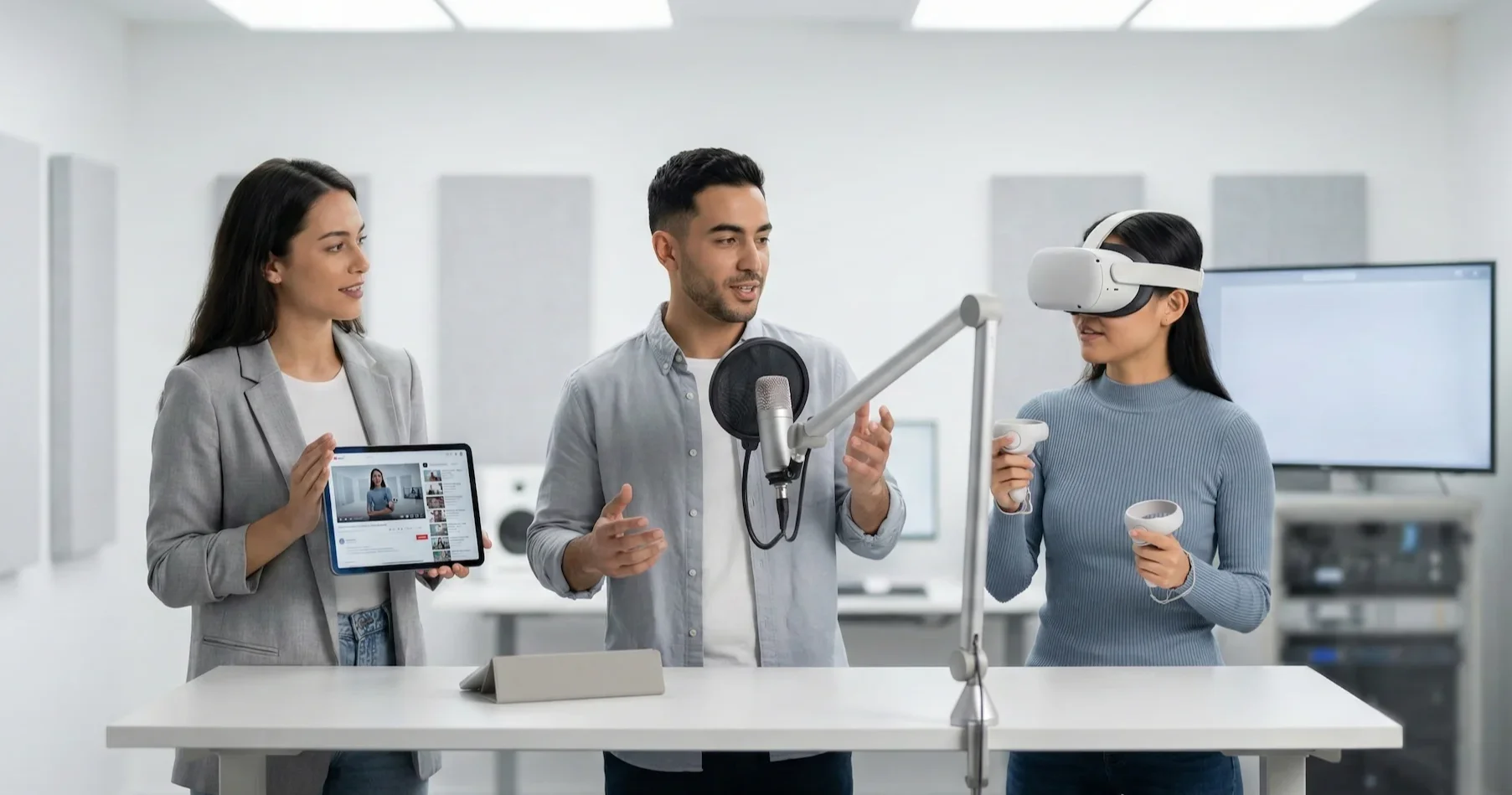
People often use digital content production and digital content creation interchangeably, but there are clear distinctions. Digital content creation is about ideating, drafting, and composing the raw material—whether that's a video script, a blog post, or an infographic. Production stretches further, involving the staging, editing, formatting, and final distribution of content for maximum impact across social media, blogs, and other platforms. This full-spectrum approach ensures your content strategy delivers results for both search engines and real-world users.
For attorneys or other professionals, the real value lies in building workflows that capture both elements—creation for originality and production for reach and resonance. Focusing efforts on both sides, from keyword research during creation to analytics-driven distribution, is key for staying relevant and establishing authority in your niche.
The Content Creation Process: Stage-by-Stage for Modern Creators
From Keyword Research to Distributed Digital Content
The 2026 content creation process is a seamless pipeline starting with audience analysis and ending with far-reaching distribution. Here’s how modern content creators set themselves up for success:
Discovery and audience analysis: Identify your target audience, pain points, and what type of content resonates with them most.
Keyword research and topic ideation: Use advanced AI tools to uncover high-opportunity topics, queries, and questions dominating your industry.
Content type selection: Decide whether to create blog posts, podcasts, videos, or other content forms for your chosen topic.
Development, editing, and distribution: Streamline editing with smart tools and automate cross-platform publishing for maximum engagement and ROI.
“The most effective content creation process starts with strategic research and ends with data-driven analysis.” – 2026 Industry Study
Every stage is designed to create content that is findable yet deeply engaging. From using platform-specific keywords for SEO to ensuring your production process is optimized for user experience, modern content creation is science, art, and strategy rolled into one.

Essential Content Types Dominating Digital Content Production
Understanding Leading Content Types
With endless content types available, what’s truly effective in capturing a modern target audience? In 2026, top-performing digital content includes:
Short-form and long-form video
Livestreaming
Interactive webinars
AI-generated media
Immersive experiences (VR/AR)
Professional service firms tap into this diversity, engaging audiences where they already spend their time—across social media, educational platforms, and brand websites. Customizing the type of content to solve client pain points or showcase expertise helps build trust and generate inbound leads.

Choosing the Right Content Type for Your Target Audience
The key to successful digital content creation is matching your types of content to audience preferences. Attorneys may find success with thought-leadership videos, while a business consulting firm might generate buzz through interactive webinars. Know where your potential customers engage—be it LinkedIn, TikTok, or industry blogs—and create media tailored to those platforms. Measure what works, double down on winning formats, and always be ready to evolve as user habits shift.
By selecting the right content type and platform, you maximize visibility and the chances of your work going viral or ranking high in search engines. Adaptability and audience understanding drive the best results in 2026’s crowded digital landscape.
Harnessing Technology: AI, Automation, and Digital Content Production
Emerging Tools for Streamlined Content Creation
As digital content production accelerates, emerging tech tools offer unmatched efficiency. In 2026, the backbone of streamlined content creation includes:
AI content generators
Smart editing software
Automated publishing tools
AI-powered tools now handle repetitive tasks—transcribing podcasts, editing videos, and optimizing blog posts for SEO. This frees up professionals to focus on strategy, storytelling, and value-added work that resonates with both search engines and users.
Automated publishing platforms can instantly syndicate your latest blog post or video to multiple media platforms, ensuring consistent branding and rapid audience reach. Leveraging these technologies not only saves time but improves the overall quality and discoverability of your digital content.

Winning Digital Content Creation Strategies for 2026
Building an Effective Content Creation Process
Detailed briefing and cross-team collaboration
Automated editing pipelines
Multichannel distribution
Start with a comprehensive brief, ensuring your strategy aligns with your business goals and audience needs. Encourage cross-team collaboration between marketing, legal, and IT, especially when creating high-stakes content like case studies or legal explainers for potential customers. Next, harness automated editing workflows so each piece of content is polished, compliant, and ready for every distribution channel.
Finally, multichannel distribution amplifies your work—think scheduled social media posts, targeted email campaigns, and syndication to thought-leadership blogs. This holistic content strategy keeps your brand top-of-mind and drives sustained organic traffic.
Optimizing Digital Content for Search Engines and Social Media
SEO, Discoverability, and Social Virality
Keyword research
Semantic content structures
Platform algorithm trends
Success in 2026 means optimizing each digital content production output with the latest SEO tactics. Keyword research identifies what your target audience is searching for. Use semantic structures—think topic clusters and related terms—so search engines understand context, not just keywords. Social media posts thrive with trending hashtags, short videos, and content tailored to the unique format of each media platform.
“Search engines now prioritize unique, multimodal digital content production over simple keyword density.” – Digital Marketing Expert
With search engines and social algorithms updating regularly, the most successful teams stay ahead by testing new formats and responding quickly to what’s driving the most engagement and conversions.

Measuring Success in Digital Content Production
Analyzing Metrics: Engagement, Reach, and ROI
Interaction rates
Lead generation
Conversion metrics
Brand sentiment tracking
To build a winning content strategy, you must measure what matters. In 2026, top teams use a blend of Google Analytics, custom KPI dashboards, and social platform insights to track success. Engagement rates show how well your content holds attention, while conversion metrics reveal ROI. Don’t overlook brand sentiment—use AI tools to gauge how your content shapes audience perception and builds trust over time.
By analyzing data, you can pivot fast to new opportunities, fix what isn’t working, and keep your content creation process focused on growth. Smart tracking also helps demonstrate the true value of digital content investments to stakeholders across your organization.
Sample KPI Dashboard for 2026 Digital Content Production |
||
Metric |
Description |
2026 Benchmark |
|---|---|---|
Engagement Rate |
Avg. % of audience interacting with content |
10–15% |
Organic Traffic Growth |
Increase in search engine visits |
+25% YoY |
Lead Generation |
Contact forms or downloads per campaign |
200/month |
Brand Sentiment |
Positive mentions and reviews |
85% positive |

Case Study: Innovative Content Creation for Attorneys and Professionals
Law firms and consulting agencies are leading the way in adopting digital content production innovations. For example, a mid-sized legal practice in Baltimore invested in a dedicated digital content studio, allowing attorneys to film videos, record podcasts, and host virtual events all from one space. Through a combination of AI-driven scripts, live editing, and distributed publishing, the firm doubled its organic traffic and saw a spike in qualified leads.
By using a modern content studio, the attorneys not only improved production quality but also had all the tools needed to adapt to changing user experience demands. This approach sets a strong example for professional service firms looking to build authority and serve their clients through expert-driven, multimedia content.

The Role of Studios in the Digital Content Production Landscape
Dedicated content studios have become game changers for organizations aiming to create high-impact, professional digital content. Studios are designed for collaboration, high production value, and seamless integration with AI editing suites and publishing platforms. For business owners and service professionals, booking studio time ensures access to technology that can elevate content from average to exceptional.
Studios also reduce logistical headaches for hybrid and remote teams, offering a controlled environment with reliable connectivity, lighting, and equipment. This enables systematic content creation processes and helps differentiate your brand in a crowded digital market.

Adapting Your Digital Content Production to Remote and Hybrid Teams
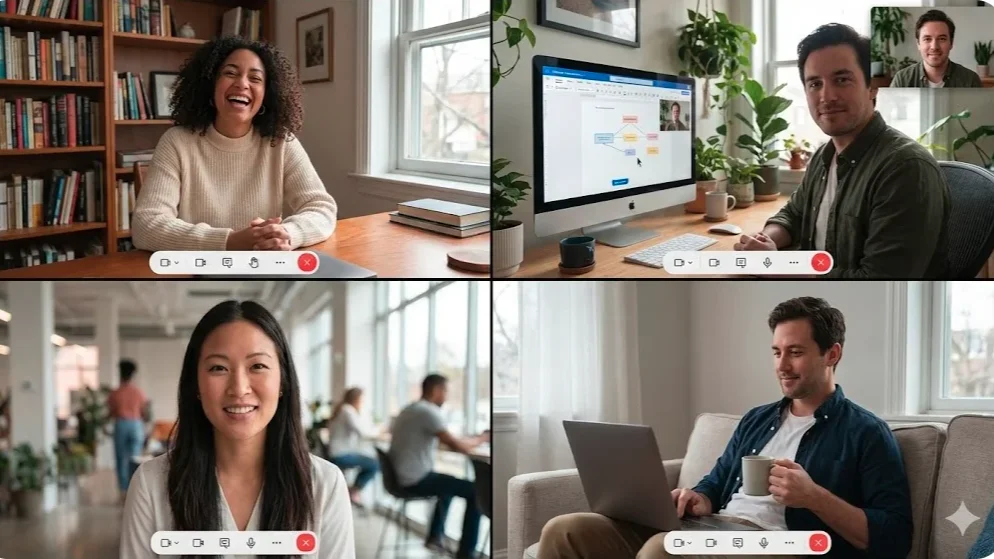
Remote work and hybrid collaboration models are here to stay, and your content creation process needs to reflect this reality. In 2026, leading producers use project management platforms, cloud-based editing suites, and shared editorial calendars to keep remote and in-studio teams on the same page.
Real-time feedback, synchronous editing, and seamless hand-offs allow teams to produce standout blog posts, social media videos, and live webinars without being in the same room. This distributed approach maximizes flexibility, enabling businesses to tap into global talent pools while maintaining a consistent and professional brand voice across all content types.
Top 10 Must-Use Tools for Digital Content Production in 2026
AI editors
Collaborative platforms (e.g., Notion, Trello)
Cloud-based production suites (e.g., Adobe Creative Cloud)
Real-time analytics (e.g., Google Analytics, Tableau)
Automated publishing software
Podcast editing tools
Livestream production kits
AI video generators
Social media management tools
Interactive content builders (e.g., Ceros, Canva)
“Tech that automates the content creation process is the backbone of tomorrow’s most successful digital campaigns.”
Integrating the right mix of these tools ensures every step of your digital content creation is efficient, data-driven, and results-oriented.
How to Future-Proof Your Content Creation Process
Continue investing in education and experimentation. Stay up to date with search engine changes, explore new media posts formats, and regularly assess your workflows for gaps. Prioritize storytelling, value, and flexibility to keep your team ahead.
People Also Ask: Digital Content Production Essentials
What is digital content production?
Digital content production is the process of planning, creating, editing, and publishing media in digital formats—such as videos, podcasts, blog posts, or interactive experiences—as part of a strategy to engage your target audience across platforms like social media, websites, and more. It integrates technical tools, creative direction, and optimization for search engines and social media discoverability.
What does a digital content producer do?
A digital content producer oversees the entire content creation process, from brainstorming topics and managing workflows to editing, publishing, and ensuring each piece of content meets strategic goals. They work across media platforms and coordinate cross-team efforts, leveraging analytics to maximize engagement, reach, and ROI.
How much does a digital content creator make?
In 2026, a typical digital content creator earns anywhere from $50,000 to $120,000 annually, with top performers in professional services or niche industries earning even more thanks to specialized skills in video, interactive media, or AI-driven content formats. Compensation often reflects experience, technical expertise, and impact on organizational growth.
What is an example of a digital content?
Examples of digital content include a blog post by a law firm, an explainer video produced for a consulting agency, an interactive webinar, AI-generated infographics, or a behind-the-scenes livestream. Each type of content is uniquely crafted for specific media platforms and target audiences.
Frequently Asked Questions About Digital Content Production
What industries benefit most from digital content production?
Most modern industries benefit, including legal, healthcare, finance, technology, and consulting. Digital content helps brands build trust, generate leads, and communicate complex ideas more effectively to diverse audiences.
How should I set up a content creation process for my firm?
Start by defining your business and marketing goals. Build a team that includes writers, designers, and strategists; invest in collaborative platforms and AI tools; and set up editorial calendars. Monitor performance with analytics to adjust and improve your content creation process regularly.
Are there risks to using AI in digital content production?
Yes, while AI boosts efficiency and can improve output, it may produce generic results or introduce compliance risks if unchecked. Always pair AI-driven processes with human oversight to maintain originality, compliance, and strong brand voice.
Key Takeaways: The Future of Digital Content Production
Digital content production is rapidly evolving, with AI, automation, and immersive experiences leading the charge.
Robust workflows and cutting-edge tools are crucial for delivering impactful content at scale.
Studios remain pivotal for differentiating your content and producing professional, high-quality assets.
Your Next Step Toward High-Impact Digital Content Production
Don’t fall behind in the fast-paced digital content world—book your studio time today at https://www.newmedialocal.com/baltimore-content-studio/ and transform your approach to content production.




Write A Comment