
Add Row
Add Element
New Media Local Homepage
update

New Media Local

update
Add Element
  • HOME
  • NEWS
  • CATEGORIES
    • Content Creation
    • AI Podcast
    • Podcast Studio
    • Video Production
    • Content Studio
    • Press Release
  • All Posts
  • Content Creation
  • AI Podcast
  • Podcast Studio
  • Video Production
  • Content Studio
  • Press Release
December 27.2025
15 Minutes Read

Unlock the Magic of AI podcast technology—You’ll Never Go Back

Did you know that immigration law podcasts embracing ai podcast technology experience a stunning 70% boost in subscriber engagement? This is more than an upgrade—it's a revolution for legal professionals

Startling Statistics Highlighting the Power of AI Podcast Technology

  • 90% of professionals say ai podcast technology increases podcast production efficiency.

  • Immigration law podcasts using artificial intelligence see a 70% boost in subscriber engagement.

  • Machine learning tools cut audio editing time by 50% for top ai podcasts.


ai podcast technology modern immigration attorney studio high-tech glass-walled office microphones digital soundwave displays

"AI podcast technology is not just a tool—it's a revolution for professionals seeking to expand their reach and impact."

What You'll Learn About AI Podcast Technology for Immigration Attorneys

  • How to leverage ai podcast technology for efficient show production.

  • Top AI-based solutions for content creation, automation, and analytics.

  • The transformative impact of machine learning and artificial intelligence on podcasting.

Table: Comparing Top AI Podcast Technology Tools for Immigration Law Professionals

Platform

Key Features

Cost

Automation Capability

Best Use Case for Attorneys

Descript

AI-powered audio editing, transcription, voice cloning

$12–$24/mo

Automatic audio clean-up, text-based editing

Fast, professional podcast production

Otter.ai

Machine learning transcription, collaboration tools

Free/$8.33–$20/mo

Real-time transcription accuracy

Generating show notes & accessibility docs

Podcastle

Script to audio, AI enhancements, remote interviews

Free/$11.99–$23.99/mo

Automated enhancements, noise removal

Storytelling complex legal topics

Anchor

Scheduling, analytics, AI-optimized distribution

Free

Automatic episode publishing

Consistent release schedules

Riverside.fm

Secure AI-powered recording, video integration

$15–$24/mo

Stabilized multi-track recording

High-definition professional branding

For attorneys eager to see how these AI tools work in real-world settings, exploring a step-by-step guide to launching an AI-powered podcast can provide practical insights into platform selection, episode planning, and rapid publishing. Discover actionable tips and a visual walkthrough in the AI Podcast Launch Tutorial to streamline your own podcasting journey.

1. AI Podcast Editing: Harnessing Machine Learning for Perfect Audio

Using artificial intelligence for automated audio clean-up

With ai podcast technology, gone are the days of spending hours scrubbing away background noise and filler words in your recordings. Today’s smartest editing tools use machine learning to identify speech patterns, eliminate clicks and pops, and enhance voice clarity almost instantly. As an immigration attorney, this means more time crafting compelling content and less stress in post-production. These artificial intelligence-powered tools adapt to your speaking style, making every episode sound studio-grade, even if it’s recorded remotely or on-the-go. By letting an ai engineer optimize your workflow, you don’t just work faster—you consistently impress your audience with high-quality listening experiences.
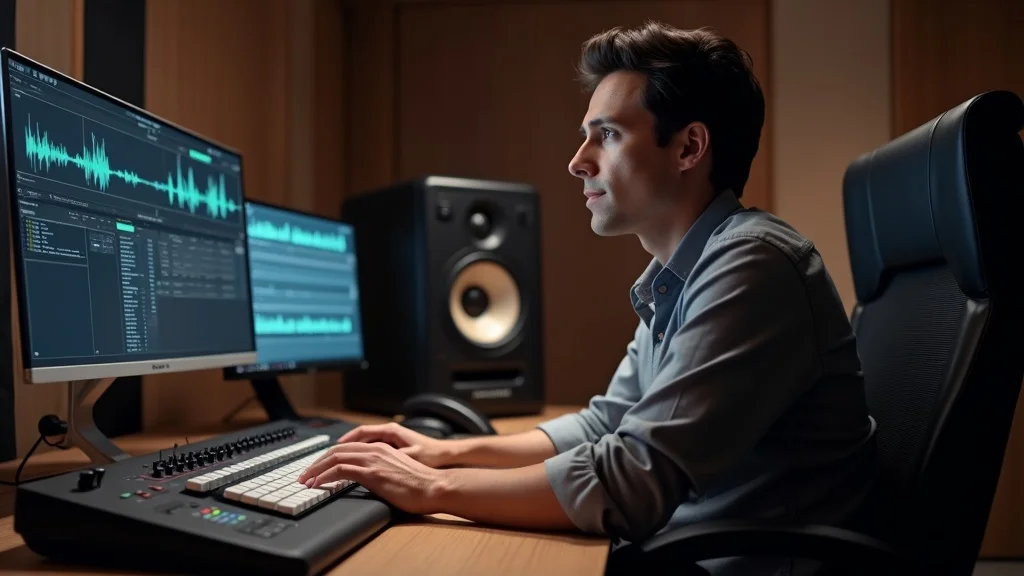


ai podcast technology audio engineer machine learning editing modern studio immigration attorney

Real-life case: Immigration law podcasts elevated by AI podcast tools

Consider the story of an immigration law firm that adopted ai podcast technology: using Descript, they accelerated editing by 50% and reduced manual errors. Their recent episodes sound more engaging and error-free, leading to a steady climb in subscriber numbers. The blend of machine learning and AI audio models allowed them to focus on producing timely legal updates and practical case discussions, rather than on the technical grind. This is practical ai at its best—empowering busy attorneys to deliver better content, faster, and with less stress.

2. AI Podcast Content Creation: Crafting Compelling Stories with Artificial Intelligence

How ai podcast technology generates engaging scripts for complex legal topics

AI podcast technology doesn’t just enhance the sound—it now powers entire episodes with scriptwriting tools that are capable of digesting complex immigration law topics. Artificial intelligence models like large language generators analyze trends and common listener questions, generating scripts that break down dense legal jargon into accessible stories. This means any attorney—regardless of prior podcast experience—can “speak” confidently to a diverse online audience. AI-based content creation transforms even niche legal themes or urgent ai news into clear, listener-friendly dialogues that keep engagement high.

Practical AI: Enhancing narrative flow for immigration attorneys

AI tools go beyond writing—they map out narratives, suggest clarifying analogies, and identify areas where a listener might get lost. The result: ai podcasts that feel natural, relatable, and relevant to immigrants’ concerns, visa processes, and legal rights. Practical ai solutions actively learn from previous episodes, continuously improving pacing, tone, and flow. For immigration attorneys, this means every episode maintains a professional edge, communicates legal authority, and resonates emotionally—all crafted with the ongoing support of artificial intelligence.

3. Automated Transcription: Making Podcasts Accessible with AI Podcast Technology

Machine learning-driven transcription accuracy rates

With the integration of advanced machine learning and ai podcast technology, real-time transcription has become extremely accurate—often surpassing 95%. Automated transcription enables every episode of your immigration podcast to be instantly converted into searchable text, which is indispensable for creating show notes, accessibility content, and supplementary blog posts. Immigration attorneys especially benefit from this capability, as accurate legal documentation is crucial. AI models learn regional accents, technical jargon, and complex names commonly found in law, resulting in cleaner, contextually correct transcripts without manual editing.



ai podcast technology machine learning transcription legal podcast dual screens immigration attorney

Integrating ai podcast transcripts for wider audience reach

Publishing transcripts alongside your podcast doesn’t just benefit the hearing-impaired. These AI-generated transcripts can be translated for multilingual audiences, indexed by search engines for stronger SEO, and broken down into individual topics for sharing in ai news snippets or social updates. Immigration attorneys can use transcripts as supporting material for legal workshops, online guides, and newsletters, reaching a wider demographic and increasing online authority. The combination of accessibility, reach, and professionalism truly unlocks the magic of ai podcast technology in everyday practice.

4. Multilingual Podcasting: Break Language Barriers Using AI Podcast Technology

Latent space translation: Deliver immigration law content across borders

The clever use of latent space translation within ai podcast technology means that podcasts once limited by language can now deliver content across global borders. AI models analyze and learn context, nuances, and idioms, accurately translating complex immigration terms for multicultural audiences. Attorneys can publish the same episode in English, Spanish, Mandarin, and more—without sacrificing quality or tone. This makes crucial legal information accessible to immigrants, international clients, and families, setting your practice apart as truly global and inclusive.



ai podcast technology multilingual immigration attorneys podcast world map language interfaces

Top ai podcasts employing multilingual AI solutions

Leading ai podcasts in the legal domain deploy sophisticated neural networks and artificial intelligence translation systems, reaching diverse audiences around the world. By integrating multilevel translation powered by state-of-the-art ai agents, immigration attorneys can ensure that complex citizenship updates and visa requirements are clearly understood, regardless of a listener’s primary language. These podcasts foster an international legal community, attract more subscribers, and create trust with audiences spanning continents.

5. AI Engineer-Optimized Distribution: Maximizing Reach with Smart Algorithms

How artificial intelligence automatically targets global audiences

AI podcast technology doesn’t just improve content — it ensures your message gets heard by the right people. Smart artificial intelligence algorithms tailor your episode distribution so it lands on platforms and networks most frequented by your ideal clients. For immigration attorneys, this means marrying in-depth legal expertise with the digital tactics used by global business leaders. AI examines user patterns, interests, language preferences, and location data, optimizing how and when your content is released for maximum exposure by an ai engineer approach.

ai podcast optimization for immigration attorneys

Optimizing podcast distribution with ai podcast technology means your show effortlessly appears on leading platforms like Spotify, Apple Podcasts, and Google Podcasts. AI sorts through listener engagement data, scheduling releases to coincide with peak listening habits among those seeking legal guidance. Immigration firms leverage this capability to consistently rank higher in search results, attract more leads, and stay top-of-mind when urgent immigration legal issues arise. This is practical ai in action—turning automation into an ongoing source of growth.

6. Captivate.fm and Podcast Analytics: Data-Driven Decisions for Immigration Podcasts

Monitor listener engagement with AI podcast technology

Today’s top ai podcast technology platforms include robust analytics dashboards, inspired by leading tools like Captivate.fm. Immigration attorneys can track who’s listening, at what point audience engagement peaks, and which episode topics generate the most buzz. This allows lawyers to prioritize popular ai topics and tailor future content for maximum relevance. Data insights demystify what your listeners truly want, helping you grow a loyal community within the often-niche world of immigration law.



ai podcast technology twiml ai analytics immigration attorney digital dashboard statistics

Machine learning tracking for actionable insights

Machine learning analyzes listener data—such as drop-off times, replayed segments, and engagement with ai news—to show what resonates. By monitoring key trends, you can deliver more of what your audience values, adjust show structure, or even refine your legal services. For immigration attorneys, this means every episode can get smarter and more client-focused, directly translating into better service and state-of-the-art content strategy.

7. Practical AI for Automated Podcast Scheduling and Publishing

How ai podcasts maintain consistency with minimal effort

Scheduling is where many podcasts stumble. Yet, with ai podcast technology, attorneys get automated episode release, reminders, and cross-platform publishing. A practical ai scheduler responds to trends, listener time zones, and listens-per-day cycles, releasing episodes when your target audience is most attentive. This ensures that your immigration podcast builds trust and authority through reliability, with minimal manual oversight. You remain present in the lives of clients—without the stress of always managing the calendar.

The artificial intelligence advantage in freeing up attorney time

For busy legal professionals, every hour matters. Automated publishing powered by artificial intelligence liberates attorneys to focus on complex cases, client meetings, and legal research. Instead of dealing with routine posting chores, let practical ai handle it. Advanced platforms can even adjust future publishing times based on past performance, guaranteeing continual engagement growth for your podcast—and by extension, your practice.

8. Personalized Content and Recommendations in AI Podcasts

Machine learning for tailoring podcast experiences to client interests

Machine learning now allows ai podcast technology platforms to provide hyper-personalized recommendations for every listener. By analyzing play history, engagement levels, and even legal interests, AI offers custom playlists, topic suggestions, and curated follow-up content. Immigration attorneys can target immigrants, families, or businesses with content specific to their needs—improving relevance and conversion rates. The power of personalized listening drives better legal awareness, stronger relationships, and higher podcast retention.



ai podcast technology personalized playlist for immigration attorney machine learning legal podcast

Artificial intelligence in niche legal discussion topics

Powerful AI-based sorting helps surface nuanced topics, like rare visa issues or emerging immigration policies, ensuring underserved niches are addressed. Attorneys who leverage these systems build podcasts known for depth and utility, establishing themselves as go-to authorities in their field. The magic ingredient is the AI engineer's understanding of both the legal landscape and digital audience behavior, delivering maximum impact for both broad and highly-focused legal discussions.

9. Latent Space Techniques: Discovering Untapped Podcast Topics

How ai podcast technology explores trending legal themes

The “latent space” within ai podcast technology refers to the AI’s ability to “think outside the box,” analyzing millions of textual and audio inputs to suggest new, data-driven podcast subjects. For immigration attorneys, this could mean addressing emerging visa policies, legal loopholes, or international court cases that haven’t yet saturated mainstream conversation. By using these techniques, legal podcasters stay ahead of the curve, turning their podcasts into trusted sources for breaking ai news and unique perspectives.

Machine learning for identifying gaps in immigration law content

Through advanced pattern recognition, machine learning scanners identify commonly asked but rarely answered questions within immigration law and related AI topics. When AI agents flag a gap, the podcast host can respond with in-depth segments or invite expert guests, filling important voids in public legal knowledge. This keeps your content pipeline fresh, authoritative, and deeply valuable for your core audience.

10. AI News Integration: Staying Ahead of Immigration Law Updates

Delivering timely ai news through your immigration podcast

With ai podcast technology, your episodes can feature the latest legal headlines and ai news updates, days before traditional media. Automated news feeds cross-reference government databases, court filings, and global news platforms, selecting the most relevant stories for your legal specialty. For attorneys, clients, or anyone seeking accurate info on fast-changing immigration law, it’s a lifeline for staying informed and relevant.



ai podcast technology podcast host immigration law news updates on-air breaking segment

Practical ai podcast examples delivering breaking legal news

Podcasts like “Practical AI: Legal Frontlines” use these integrations to push emergency immigration updates immediately after regulatory changes—sometimes within the hour. By automating this content, you build trust with listeners who rely on you to stay informed. This transforms your show into a real-time intel platform for both current clients and prospective leads.

11. Voice Cloning for Professional Podcast Branding with AI

Using artificial intelligence for consistent branding in ai podcasts

Consistency is key to memorable podcast branding. With modern artificial intelligence, immigration attorneys can use voice cloning to maintain a uniform sound—even across guest hosts or language variants. This ensures brand identity and audio quality never waver, regardless of external factors. For firms branching out into video or multilingual shows, AI-generated voiceovers in signature tones can bridge gaps between formats while retaining professional credibility.

Machine learning for custom voiceovers and multilingual presentation

Custom voiceover production powered by deep learning and neural networks matches the intonation and pace needed for legal topics. Machine learning even allows for automated adaptation, translating not just words, but context and legal tone. This is transformative for immigration podcasts addressing audiences with varying language proficiencies—maintaining clarity and trust with every episode.

12. Listener Interactivity: AI-Driven Q&A in Immigration AI Podcasts

Enhancing engagement using ai engineer-designed chatbot systems

The next frontier in podcasting is interactive. Modern ai podcast technology enables automatic listener Q&A through chatbots built by skilled ai engineers. Listeners can ask real-time questions during or after episodes—and receive instant, informative answers. For attorneys, this two-way interaction not only deepens listener investment but also surfaces pressing legal concerns worth covering in future shows.

Artificial intelligence to answer real-time listener questions

AI-driven Q&A can address hundreds or thousands of queries simultaneously, freeing attorneys from repetitive follow-up and ensuring no question goes unanswered. Machine learning algorithms improve answer accuracy over time, creating a living knowledge base for both legal professionals and their communities. This seamless blend of content creation and real-time support elevates your podcast’s reputation in the world of ai podcasts and legal tech.

13. Automated Promotion: How AI Podcast Technology Boosts Your Podcast Visibility

Leveraging ai podcast algorithms for social sharing

Promotion is critical for growth. AI podcast technology uses smart algorithms to snippet, caption, and schedule your content for optimal performance on LinkedIn, Twitter, Facebook, and more. These digital ai agents learn what formats and times draw the most engagement, increasing the odds your legal advice is seen, shared, and remembered. Automation here means you can spend less time on marketing logistics and more on practice-building legal tasks.



ai podcast technology immigration attorney social media sharing artificial intelligence snippets

Artificial intelligence-powered ad targeting for immigration attorneys

Modern advertising platforms integrate artificial intelligence to refine ad targeting. For immigration attorneys, that means promoting your podcast specifically to audiences looking for help with green cards, citizenship, or asylum processes. AI tracks user interests, media consumption habits, and engagement levels, so your promotional budget goes further and your podcast grows faster.

14. Compliance & Security: AI Podcast Technology Protects Client Confidentiality

Machine learning to safeguard immigration law discussions

Confidentiality is non-negotiable in legal practice. Today’s machine learning systems analyze podcasts for accidental disclosures, bleeping sensitive data at the point of editing. AI tools offer keyword detection and contextual parsing—helping attorneys identify and mask protected client information before episodes go live. This ensures compliance with legal ethics and builds trust with your audience.

Artificial intelligence encryption in ai podcasts

Advanced artificial intelligence-driven audio encryption keeps discussions private, protecting data throughout the production and distribution pipeline. AI-generated audit trails and access controls help law firms maintain regulatory compliance—essential in an era where digital breaches are an ever-present risk. These security features allow attorneys to confidently share legal guidance without fearing unauthorized access.

15. Case Study: Leading Immigration Attorneys Using AI Podcast Technology

Practical AI: Real outcomes from ai engineer collaborations

Firms that partnered with ai engineers to revamp their podcasting approach report clear, measurable results. One immigration law group used machine learning-powered platforms to triple their listener base within months. By subscribing to practical ai newsletters and staying ahead with Captivate.fm episode recaps, they identified innovative podcast strategies and incorporated real-time analytics to guide content and outreach decisions.

How their ai podcast transformed client communication

The same firm noted that integrating ai podcast technology opened new channels of communication with current and prospective clients. By regularly sharing expert Q&A and urgent immigration ai news, they became trusted authorities, saw a rise in client referrals, and improved engagement across their digital channels. Their story is a clear demonstration of AI’s ability to not only optimize content, but to grow a thriving, accessible practice.

16. The Best AI-Powered Podcast Topics for Immigration Attorneys

  • Artificial intelligence trends in immigration law

  • Latest ai news and machine learning applications

  • Latent space insights on international legal processes

Demonstrating automated editing, transcription, and publishing

This short video sequence lets you see a real immigration attorney using ai podcast technology: editing with AI, real-time transcription, scheduling with a click, and reviewing analytics—all in a single modern office workflow.

Tutorial for attorneys on choosing the right ai podcast platform

Watch to learn platform selection, episode planning, and rapid AI-based publishing—simplified for busy attorneys ready to launch their own ai podcasts.

19. Lists: Top 5 AI Podcast Technology Tools for Immigration Attorneys

  1. Descript – AI-driven audio editing

  2. Podcastle – Automated content enhancement

  3. Otter.ai – Accurate machine learning transcription

  4. Anchor – ai podcast scheduling and analytics

  5. Riverside.fm – Secure recording powered by artificial intelligence

20. People Also Ask: AI Podcast Technology for Immigration Attorneys

How does AI podcast technology save time for busy immigration attorneys?

What are the leading artificial intelligence tools for immigration law podcasts?

Is AI podcast technology secure for confidential legal discussions?

How can machine learning personalize content delivery in ai podcasts?

Answers to People Also Ask about AI Podcast Technology

AI podcast technology automates much of the editing, transcription, and publishing workflow, cutting down manual tasks for immigration attorneys and enabling more content creation in less time.

Leading AI tools include Descript for editing, Otter.ai for transcription, and Anchor for distribution—all harnessing artificial intelligence to streamline podcast production.

Most ai podcast technology platforms incorporate robust cybersecurity and encryption, safeguarding confidential legal conversations.

Machine learning algorithms analyze listener preferences and behavior, delivering tailored legal insights via ai podcasts for greater engagement.

21. FAQs: AI Podcast Technology for Legal Practices

Can artificial intelligence create entire podcasts without human input?

Yes, AI can automate many parts of the podcasting process: writing scripts, editing audio, and even publishing. However, human oversight is still needed for legal accuracy, emotional nuance, and compliance—especially in sensitive immigration law content. AI creates efficient workflows but attorneys bring the expertise clients trust.

What is latent space and why is it important in AI podcasting?

Latent space is where AI discovers hidden patterns in topics and connections in language. By analyzing vast data, it helps podcast hosts uncover trending or neglected legal issues, producing episodes that are timely and relevant for the audience. Immigration attorneys use latent space AI models to stay ahead in case law, policy, and client needs.

How do ai podcasts handle fast-changing immigration regulations?

AI-powered news integration and machine learning monitoring quickly flag legal updates as soon as they’re published online or in government databases. Podcasts then feature these urgent changes in new segments or breaking episodes, making it easier for attorneys and their listeners to stay informed with the latest regulations.

Is machine learning biased in topic selection or guest curation?

Machine learning algorithms are only as neutral as their training data. By applying legal and ethical guidelines, and periodically reviewing suggested topics or guests, attorneys can ensure their AI podcast remains balanced, comprehensive, and unbiased.

Are AI-powered podcasts compliant with legal advertising standards?

Most leading AI podcast tools support compliance by automating necessary disclosures, avoiding overpromising, and maintaining user privacy. Still, it’s the attorney’s responsibility to verify that all AI-created promotional content meets the ethical guidelines and advertising rules of their jurisdiction.

Key Takeaways for Immigration Attorneys Using AI Podcast Technology

  • AI podcast technology streamlines the podcasting process for legal professionals.

  • Machine learning and artificial intelligence enable greater reach, deeper insights, and richer audience engagement.

  • Immigration attorneys can securely and confidently adopt these tools to amplify their practice.



ai podcast technology immigration attorney authoritative office setup podcasting legal resources

If you’re inspired to elevate your legal practice with the latest in AI podcast technology, there’s a world of advanced strategies and digital media solutions waiting to be explored. For a comprehensive look at how AI-powered production and publishing can transform not just your podcast, but your entire digital presence, visit New Media Local. Discover how integrating smart automation, analytics, and creative storytelling can help you build authority, reach new audiences, and future-proof your legal brand in the evolving digital landscape.

Ready to Create Your AI-Powered Podcast To Grow Your Authority? Get Started at https://www.newmedialocal.com/ai-powered-podcast/

Sources

  • Descript – https://www.descript.com/

  • Podcastle – https://www.podcastle.ai/

  • Otter.ai – https://otter.ai/

  • Anchor – https://anchor.fm/

  • Riverside.fm – https://riverside.fm/

  • Captivate.fm - https://captivate.fm/


Incorporating AI podcast technology can significantly enhance your practice by streamlining production and expanding your reach. For instance, Microsoft’s Copilot now offers a feature that generates personalized virtual podcasts on any topic, allowing users to interact in real-time as if they were part of the show. (windowscentral.com) Additionally, Adobe Enhanced Speech is an AI tool designed to improve the quality of recorded speech, converting muffled or reverberated audio into studio-grade sound, which is particularly beneficial for creating professional-quality podcasts. (en.wikipedia.org) By leveraging these AI-driven tools, you can produce high-quality, engaging content that resonates with a broader audience, ultimately transforming your legal practice.


Content Creation AI Podcast Podcast Studio Video Production Content Studio Press Release

17 Views

0 Comments

Write A Comment

*
*
Related Posts All Posts
12.30.2025

Fix Your automated podcast editing Issues in 24 Hours or Less

Startling fact: Did you know that over 65% of podcast creators report saving at least three hours per episode simply by using automated podcast editing tools? If you’re an immigration attorney juggling client deadlines and legal research, that kind of time saved could mean closing more cases, building your authority online, or finally launching that newsletter you’ve been planning The world of podcasting has exploded for legal professionals—and so have the headaches that come with editing lengthy recordings! If background noise, endless filler words, or clunky manual editing keep you from sharing your expertise, this guide will show you exactly how to fix your automated podcast editing issues in just 24 hours or less. Let’s jump into the future of podcasting for busy immigration attorneys: faster, smarter, and AI-powered. Why Automated Podcast Editing is a Game Changer for Immigration Attorneys Immigration attorneys hold vital knowledge that clients, businesses, and communities are eager to hear—and podcasting is the quickest path to amplifying your influence. But editing podcasts the traditional way eats up hours that could be better spent on legal work or client care. Here’s where automated podcast editing revolutionizes the practice. By leveraging AI tools that detect filler words, reduce background noise, and streamline editing, you can create professional podcasts—even if you’re not a tech genius. Automated podcast editing tools now integrate directly with popular legal podcast workflows, letting you edit videos at lightning speed and easily distribute your content across platforms like Apple Podcasts or your own website. For attorneys with downloads per month aiming for growth, choosing the right AI tools makes it possible to create audio and video content that’s not only clear and compelling but also compliant and secure. Whether you're featuring case studies, legal updates, or immigration help tips, automated podcast editing ensures each episode represents your brand at its best—with no editing expertise required. That’s not just good for your reputation—it’s great for your calendar. "Did you know? Over 65% of podcast creators report saving at least three hours per episode with automated podcast editing tools." What You’ll Learn: Mastering Automated Podcast Editing for Legal Professionals Understand the power of automated podcast editing for immigration attorneys Discover the essential ai tools transforming podcast production Learn how to address common issues like filler words and background noise Boost your authority with flawless audio and video content Automated Podcast Editing Explained: The Essentials The Rise of AI Tools in Automated Podcast Editing AI tools have transformed how legal professionals handle podcast editing. Once, creating polished audio and video required mastering complex editing software or hiring expensive engineers. Now, user-friendly platforms offer advanced features that create audio just by typing, identify filler words for instant cleanup, and remove background noise. Leading solutions give attorneys full access to speech enhancements, multi-track editing, and the ability to edit videos or add captions as easily as editing a document. With the ability to distill complex legal discussions into clear episodes, AI-powered editing helps legal podcasts reach new standards—and audiences—without breaking the bank or your schedule. Platforms like Descript and Auphonic allow you to edit audio just by editing a transcript, while other ai tools let you batch-process audio tracks, record video effortlessly, and prepare your podcasts for any kind of video or social media sharing. These AI tools are not only saving time, but they’re also raising the bar on audio and video quality. They’re so intuitive, even attorneys new to podcasting can confidently generate custom, professional episodes for their podcast website, ready to easily distribute across channels. How Automated Podcast Editing Streamlines Your Workflow With manual editing, producing a single legal podcast episode could take hours—scrubbing background noise, slicing out every “um,” and piecing together seamless segments. Now, automated podcast editing streamlines every step. Modern AI tools do the heavy lifting—auto-removing filler words, adjusting volume levels, and even syncing video content to match your script. This means you can upload recordings, let the tool process your files, and download a polished episode at lightning speed. The best part? These automations maintain your professional tone and help you add captions or upload your finished episode to Apple Podcasts and social media with a click For those looking to further refine their workflow, exploring AI-powered podcast production solutions can provide even more tailored automation and support, especially for legal professionals aiming to maximize efficiency and quality. Common Automated Podcast Editing Problems Facing Immigration Attorneys Battling Filler Words and Filler Word Removal Filler words—like “um,” “uh,” or “you know”—can erode your credibility with listeners. Manually finding and deleting every filler word from your legal podcast is tedious, but AI-powered editing tools tackle this challenge with advanced detection algorithms. These tools identify filler words in your audio just by typing a transcript, then offer batch removal or even smart context-based fixes. Attorneys can now create smooth, professional-sounding episodes that keep their audience engaged and convey authority. Whether you’re aiming to record audio for educational content, create audio for client updates, or edit videos for social media, effective filler word removal makes your content crisp and your messaging clear—helping you stand out in a competitive podcast market. Automated tools are especially useful for live recordings, expedient case analysis, or when repurposing social media and record video content for your podcast website. Not only does this save significant time per episode but it also boosts your confidence, knowing you can present complex concepts without interruptions. In short, you fix “editing my podcast” headaches in minutes and focus on sharing what matters most with your audience. Managing Background Noise with Automated Podcast Editing Background noise can ruin even the most insightful legal discussions. Anything from air conditioners to street sounds can seep into audio and video, making it difficult for listeners to follow your expertise. Top AI tools, like Cleanvoice and Auphonic, come with automated noise reduction features that distinguish between speech and background noise, ensuring only your voice shines through. These technologies use powerful filters that not only remove background noise but also enhance the main audio track, resulting in clear podcast episodes ready for any distribution—from your podcast website to videos at lightning speed on social media. By using these AI tools, immigration attorneys no longer need to worry about the technicalities of post-production. Record audio in your office or on the go, and let automation take care of the rest. Even in suboptimal environments, your legal insights remain front and center. For attorneys eager to edit videos and create audio that reflects their professionalism, these tools eliminate hours of manual cleanup so you can easily distribute your content and boost your downloads per month. Ensuring Quality for Both Audio and Video Content Modern podcast audiences expect high quality across both audio and video content. For immigration attorneys striving to build trust, anything less could send potential clients elsewhere. Automated podcast editing tools are now equipped to analyze and enhance both media types: normalizing audio track volumes, adding clean transitions, and syncing video content for a polished finish. This integration gives attorneys the power to edit videos at lightning speed and generate custom clips for use on Apple Podcasts, YouTube, and even short-form social media. Such features let you create broadcast-worthy audio and video content—all with the click of a button. Crucially, this helps maintain a professional tone while freeing up your media hour for valuable casework. Whether you add captions, record video, or produce audio and video simultaneously, today’s best tools ensure every asset you create audio and video supports your reputation, reduces editing stress, and maximizes your firm’s online reach. Top AI Tools for Automated Podcast Editing in 2024 Descript: Comprehensive AI Editing for Immigration Law Podcasts Auphonic: Automated Leveling, Noise Reduction, and Filler Word Cleanup Alitu: Simplified Workflow with Audio and Video Enhancements Cleanvoice: Smart Detection and Removal of Filler Words & Background Noise Step-by-Step: How to Record Audio for Best Automated Podcast Editing Results Tips for professional microphone selection: Choose a dynamic or condenser mic that minimizes bleed and complements your voice. Look for features like built-in pop filters and shock mounts to reduce unwanted noise and generate custom audio tracks. Setting up soundproof spaces to reduce background noise: Use foam panels, carpets, and closed doors—or even a closet!—to prevent echoes or outside interference. A better environment means less work for your AI tools later on. Optimizing recording software for automated podcast editing: Use multi-track capable, podcast-focused programs that play nicely with AI tools. This way, when you record audio or record video, the editing process moves smoothly and rapidly, supporting full access to all automation features. By starting with great source material, you empower your automated editing solution to produce professional results—reducing the need for manual tweaks and maximizing your ROI on every media hour invested. This is how attorneys consistently produce effective, easily distributable audio and video that builds authority and trust. Transforming Both Audio and Video with Automated Podcast Editing Enhancing Video Content for Immigrant Law Audiences Immigrant law clients and prospective clients are increasingly drawn to video content—especially case breakdowns, Q&A sessions, and explainer segments. Automated podcast editing isn’t just for audio; it brings transformative benefits to your video workflow as well. With AI algorithms, you can edit videos at lightning speed, add captions for accessibility, and create social-ready clips in minutes. Generate custom content tailored to YouTube, social media, and your podcast website—increasing engagement and conversions. For immigration attorneys, projecting authority and trustworthiness on video helps establish lasting client relationships. Today’s tools enable you to record video effortlessly, enhance lighting and color, and synchronize visuals with audio just by typing your desired changes. Think of every episode as an asset you can easily distribute via your existing marketing channels—reaching new audiences and cementing your reputation as a go-to expert in immigration law. Syncing Audio and Video for a Polished Final Product One of the most daunting tasks for attorney podcasters is ensuring the perfect sync between audio and video tracks. Automated podcast editing platforms now use AI tools to automatically match your audio and video with frame-level precision, eliminating “lip-sync drift” or awkward jump cuts. Whether you’re shooting an interview, recording a solo explainer, or repurposing social media video content, modern tools align your footage and sound for seamless results—helping you edit videos and create audio for all platforms in one streamlined process. For legal professionals producing both audio and video, this technology guarantees a polished output that not only meets client and listener expectations but also stands out against the competition. From Apple Podcasts to LinkedIn, a perfectly synced episode is just a few clicks away—maximizing your media hour and reinforcing your expertise with every release. Tables: Feature Comparison of Leading Automated Podcast Editing Tools Features Descript Auphonic Alitu Cleanvoice Filler Word Removal Yes Yes Yes Yes Background Noise Reduction Yes Yes Yes Yes Audio and Video Support Yes Audio only Yes Audio only Price $$ $-$$ $$ $ Lists: Quick Fixes for Common Automated Podcast Editing Errors Batch-process multiple episodes for rapid editing Automate removal of repetitive filler words Apply smart filters for instant background noise elimination Leverage ai tools for quality assurance Demonstration of Automated Podcast Editing in Action: Screen recording showing step-by-step use of AI editing tools to remove filler words, clear background noise, and sync audio with video, featuring clear visuals of software UI, smooth cursor movements, and real-time before & after audio waveforms. PAA: People Also Ask about Automated Podcast Editing How does automated podcast editing improve audio quality? Automated podcast editing lets you instantly remove background noise, balance audio levels, and eliminate distracting filler words with the help of advanced AI tools. These features ensure every podcast episode sounds professional and consistent, giving your legal podcast a competitive edge on platforms like Apple Podcasts and your own podcast website. With automation, even attorneys new to media production can create audio just by typing and enjoy crystal-clear episodes that build credibility and audience loyalty. Can ai tools remove all background noise from my legal podcast? AI tools are now exceptionally effective at reducing most types of background noise—from office hums to street sounds. While no tool can guarantee 100% noise elimination in every situation, leading solutions like Auphonic and Cleanvoice dramatically reduce distractions, leaving only your voice front and center. For optimal results, record audio in the quietest space possible and let these tools handle the rest, ensuring your immigration law podcast remains professional and engaging for every media hour you invest. What are the best practices for recording audio for automated podcast editing? Start with a good microphone and quiet, soundproofed environment for recording audio or video effortlessly. Use software compatible with automated editing tools and work with multi-track audio if possible. Always run a test to adjust recording levels, and remember: Better source audio means less time fixing issues post-production—allowing your AI tools to edit videos and audio just by typing, saving you valuable time each media hour. FAQs: Essential Questions on Automated Podcast Editing for Immigration Attorneys Will using automated podcast editing impact the professional tone of my show? No. Modern AI tools are designed to enhance sound without compromising your delivery or professionalism. In fact, flawless audio and video content often elevates your authority and inspires trust with law audiences. How quickly can I learn to use ai tools for editing? Most AI-powered solutions offer intuitive user interfaces and in-app guidance, enabling new users to edit podcasts or videos in under an hour—sometimes even faster! Many offer trial versions or step-by-step tutorials for immigration attorneys new to podcasting. Are these technologies compliant with attorney-client confidentiality? Many leading podcast editing platforms are mindful of legal industry needs. Choose tools with encryption, robust privacy controls, and local processing options to ensure compliance with client confidentiality requirements. Key Takeaways: Conquer Automated Podcast Editing Issues Instantly Automated podcast editing streamlines legal podcast creation Advanced ai tools save time and enhance professionalism Addressing filler words and background noise leads to higher audience retention Top immigration law podcasts leverage AI editing to remove background noise, sync visuals, and publish expert content on Apple Podcasts, YouTube, and their podcast website—building professional presence and trust in the legal community. Ready to Create Your AI-Powered Podcast To Grow Your Authority? Get Started at https://www.newmedialocal.com/ai-powered-podcast/ Experience firsthand how automated podcast editing can transform your legal practice—get support, guidance, and all the tools you need to launch with confidence. Conclusion: Take the First Step Towards Effortless, Automated Podcast Editing Today Start automating your podcast editing workflow now—save hours, sound professional, and reach new clients with ease. If you’re ready to elevate your digital media strategy beyond podcasting, consider exploring the full spectrum of AI-powered digital media production and publishing. At New Media Local, you’ll find resources and expert guidance to help you harness automation for every aspect of your legal marketing—from video content to social media and beyond. Unlock new efficiencies, expand your reach, and position your firm at the forefront of digital innovation. Take the next step and discover how integrated AI solutions can transform your entire online presence. Sources Descript – https://www.descript.com Auphonic – https://www.auphonic.com Alitu – https://www.alitu.com Cleanvoice AI – https://cleanvoice.ai The Podcast Host: AI Tools for Podcast Editing – https://www.thepodcasthost.com To enhance your understanding of automated podcast editing, consider exploring the following resources: “AutoPod – Unlimited Podcast Editing”: This service offers professional editing solutions, ensuring consistent quality across episodes and providing video and audio content ready for platforms like YouTube, Spotify, and Apple Podcasts. (propod.io) “AutoPod | Automatic Podcast Editing for Premiere Pro”: A suite of plug-ins designed to automate video podcast editing within Adobe Premiere Pro, handling multi-camera sequences, creating social media clips, and generating jump cuts based on silence detection. (autopod.fm) These resources offer valuable insights and tools to streamline your podcast production process, ensuring professional and engaging content for your audience.

12.30.2025

Discover the Hidden Power of machine learning for podcasts Today

Did you know that over 80% of top-performing podcasts now harness machine learning tools to tailor content, boost engagement, and grow their audience? This isn’t just a futuristic trend—it’s transforming the way legal professionals, especially immigration attorneys, connect with listeners, inform their communities, and establish their authority The Surprising Surge: How Machine Learning for Podcasts Is Revolutionizing Content Creation The surge in machine learning for podcasts is fundamentally reshaping how audio content is made, shared, and enjoyed. Today’s podcast landscape isn’t just about recording conversations—it’s powered by smart algorithms tapping into vast troves of data science and artificial intelligence to understand what listeners truly want. Listeners’ tastes, topical interests, and even legal questions can now be analyzed and acted upon in real time, making every episode more relevant. Immigration attorneys increasingly use natural language processing and deep learning to analyze feedback, predict what listeners will search for next, and personalize outreach. The process is driven by neural networks that mimic human learning, constantly improving based on large data sets and ongoing listener responses. Tools using linear regression, reinforcement learning, and other machine learning algorithms can now automate tasks like transcription, tagging, and even recommendation—saving hours of manual labor and opening the door to high-impact, cost-effective advocacy. For those interested in the practical steps of integrating these technologies, exploring a dedicated AI-powered podcast workflow can provide actionable guidance on selecting tools, setting up automation, and optimizing your content strategy for maximum reach. A Startling Statistic: The New Era of Podcast Growth Podcasting has exploded over the past decade, but nothing matches the current growth seen since the adoption of intelligent machine learning solutions. Recent reports show podcasts integrating machine learning algorithms have doubled their engaged audience rates compared to those that don’t, with legal sector podcasts—especially on immigration—gaining the most ground. This isn’t just a tech upgrade. It’s a revolution that’s moving legal education and outreach into the digital spotlight. "Machine learning for podcasts is not just a trend—it’s a paradigm shift in the way we consume and create audio content." – [Author Name] What You'll Learn About Machine Learning for Podcasts The basics of machine learning for podcasts How artificial intelligence and natural language processing are changing podcast production Why data science and neural networks matter in the audio space Critical applications and impact for immigration attorneys Understanding Machine Learning for Podcasts: A Comprehensive Learning Guide If you’re new to the idea of machine learning for podcasts, think of it this way: it’s like teaching a computer to recognize voices, topics, and even emotional tones, then using this data to improve every show. Immigration attorneys can leverage this power to better serve their communities—demystifying topics like green card reforms, visa changes, and legal processes with content that adapts in real time. The technology behind these advances includes deep learning models, scalable neural networks, and tools from data science—each playing a unique role. From converting speech to text with impressive accuracy, to scanning listener feedback via natural language processing, machine learning isn’t just smart—it’s practical, scalable, and, with the right learning guide, accessible to attorneys ready to innovate their outreach. Defining Machine Learning for Podcasts: From Artificial Intelligence to Language Processing Machine learning for podcasts refers to using algorithms that learn from and act on audio data—often guided by artificial intelligence and natural language processing. Unlike static software, these systems improve as they collect more data, refining content discovery, transcription, and recommendation processes. Take linear regression for example; this statistical model can predict trends in what listeners want to hear, helping a podcast on immigration adapt its episodes in response to changes in policy or listener demographics. At the heart of this innovation are neural networks—systems inspired by the human brain that process information in layers, learning deeply from complex audio cues. With the right machine learning algorithm, attorneys and content creators streamline their workflow, ensuring each episode hits the mark and speaks directly to the concerns of their audience. In short, machine learning enables podcasts to “listen back,” adapting as fast as the world changes. The Intersection of Data Science, Linear Regression, and Natural Language Processing in Podcasting The fusion of data science, linear regression, and natural language processing breathes new life into podcast production. By using large data sets—such as listener reviews, streaming metrics, and trending legal queries—data scientists can build learning algorithms that automatically adjust topics, recommend relevant previous episodes, and highlight pressing legal updates. This approach also enables error evaluation and gradient descent to fine-tune predictions and recommendations over time. These technologies are core to any learning guide for attorneys adapting to the AI age. Combining data science with tools like neural networks or deep learning offers scalability and accuracy, empowering even small law firms to produce podcasts with impact. Natural language processing further enhances interaction, parsing feedback from multilingual audiences and returning insights that shape episode structure and content selection—key to making complex legal information accessible to all. Machine Learning Techniques and Podcasting Applications Technique Podcasting Application Neural Networks Personalized recommendations, automated transcription, speaker identification Deep Learning Advanced context tagging, language translation, sentiment analysis Reinforcement Learning Continuous episode improvement based on listener feedback, dynamic content curation How Artificial Intelligence Transforms Podcast Content Discovery Imagine a world where every listener discovers exactly the podcast content they need—sometimes before they even search for it. Artificial intelligence, especially when paired with natural language processing, is making this possible. By analyzing speech patterns, metadata, and listener engagement, AI-powered tools surface relevant episodes, highlight key moments, and offer personalized listening experiences. This is uniquely relevant for immigration attorneys, whose clients often seek trusted, accessible information in multiple languages. Bringing together neural networks, deep learning, and natural language techniques, this technology does more than automate—it amplifies reach, boosts trust, and ensures every valuable insight finds its way to someone who needs it. For legal professionals aiming to educate and empower diverse communities, there’s never been a smarter way to scale both influence and impact. Natural Language Processing: Unlocking Deeper Audience Insights Natural language processing (NLP) sits at the heart of podcast audience analytics. By breaking down speech in real time, NLP tools help hosts and producers understand what resonates with listeners—from feedback forms to social media comments and even subtle tonal shifts picked up in reviews. For immigration attorneys, NLP can surface which topics spark the most engagement (like green card timelines or DACA updates), allowing rapid responses to emerging community needs. These systems continually process large data sets, extracting trends, key terms, and contextual cues that shape content strategy. With advanced machine learning algorithms, podcasts not only “hear listeners” but translate their interests into actionable improvements. This way, every episode is more than a broadcast—it’s a targeted conversation, ensuring your message lands where and when it matters most. Data Science in the Podcast Industry: What Immigration Attorneys Need to Know Integrating data science into podcasting is no longer reserved for big production houses. Immigration attorneys can adopt learning algorithms and big data tools to measure engagement, predict listener growth, and craft content that truly educates and empowers. From supervised learning models that classify listener questions to error evaluation techniques that refine topic selection, the toolbox is both broad and practical. What makes this especially valuable? Automated systems can handle context tagging using deep learning and neural networks Personalized recommendations Automated transcription and translation Advanced context tagging using deep learning and neural networks Case Study: Machine Learning for Podcasts in Immigration Law Let’s look at how machine learning for podcasts transforms immigration law outreach in real life. A growing number of attorneys are leveraging artificial intelligence to analyze listener questions, create targeted episode series, and support ongoing education campaigns. Using reinforcement learning, these hosts refine every new episode, drawing on listener feedback to adjust tone, length, and even interview topics. Key players within the AI podcast and data skeptic communities highlight this shift. Legal podcasts once stuck in slow manual workflows now release timely content—such as “What to Know About New H-1B Rules”—fueled by predictive analytics and language processing tools. With these advances, attorneys serve as both educators and advocates, reaching clients with clarity on complex topics. How Immigration Attorneys Leverage Artificial Intelligence for Advocacy and Outreach Forward-thinking immigration attorneys use AI-driven content to understand what worries clients, find trending legal discussions, and produce bilingual or multilingual shows that answer real community needs. With machine learning algorithms automating transcription and translation, more time is freed for direct client support and case analysis. Podcasts that leverage deep learning and neural networks have become a trusted source of legal education, advocacy, and even workflow collaboration. Podcast workflows powered by artificial intelligence and machine learning can track what episodes spark new consultations or case inquiries. As a result, attorneys are able to measure real-world impact and validate their approach—key in a rapidly changing legal and regulatory landscape. The era of guesswork is over; data-driven advocacy is the new standard. Real-World Examples: Podcast Insights from the Data Skeptic and AI Podcast Communities In the data skeptic and AI podcast spaces, hosts routinely use large data sets and supervised learning models to guide their editorial calendars. Topics are shaped by analyzing listener feedback with natural language processing, linear regression, and deep dive analytics. This approach can spotlight urgent immigration issues months before they hit mainstream news, allowing attorneys to become proactive thought leaders rather than reactive commentators. For example, podcasts about visa eligibility or policy changes often use listener survey data—with error evaluation and cost function tools—to refine their messaging. These best practices are adaptable: immigration attorneys can build their own machine learning guide to replicate these insights, providing the right answers at the right time and earning trust with evidence-based expertise. "For immigration practitioners, AI-powered content is more than convenience—it’s an opportunity to reach clients with clarity and accuracy." – [Immigration Attorney/Expert] Step-by-Step Machine Learning Guide for Podcast Success Getting started with machine learning for podcasts doesn’t require a data scientist on staff. Instead, focus on building a step-by-step workflow that integrates easy-to-use machine learning tools, natural language processing libraries, and intuitive analytics dashboards. The journey starts by picking platforms or plug-ins that deliver reliable transcription, recommendation, and performance analysis. For immigration attorneys, it’s crucial to select tools that support multilingual transcription and context tagging—these features enable broader client outreach and higher content relevance. Continuous improvement is driven by reinforcement learning, which refines every aspect of the show as feedback pours in, making your podcast both smarter and more client-focused over time. Setting Up AI-Driven Podcast Workflows Choosing the right machine learning tools for podcasts Integrating natural language processing for enhanced accessibility Utilizing reinforcement learning for continuous improvement Don’t overlook documentation and ongoing testing. By iteratively updating your machine learning model with real listener data—and running regular error evaluation—you ensure every episode remains impactful and accurate. Over time, your workflow will evolve into a seamless system, aligning your legal expertise with advanced technology to best serve your audience. The Pros and Cons of Machine Learning for Podcasts While the advantages of machine learning for podcasts are compelling, it’s important for immigration attorneys to weigh both the benefits and potential challenges. With enhanced efficiency, personalized content, and nearly limitless scalability, AI-powered workflows can rapidly transform podcasting. However, hurdles such as data privacy, accuracy of automated transcripts, and implementation costs must be managed with care and clear strategy—especially given legal and ethical considerations. Conducting regular review with learning algorithms and error evaluation functions minimizes these risks. Always consult with IT or data privacy professionals before integrating new systems, and ensure all sensitive client data remains protected. Transparency and ongoing education will not only protect your practice but build listener trust in your AI-supported outreach. Advantages vs. Challenges of Machine Learning for Podcasts Advantages Challenges Increases efficiency and reduces manual labor Requires initial investment in technology and training Personalizes recommendations to boost engagement Potential issues with transcript accuracy Scales content outreach for multilingual audiences Data privacy and ethical considerations Delivers actionable audience analytics Ongoing maintenance and algorithm updates Watch this animated explainer to see how machine learning analyzes, transcribes, and recommends podcasts. Learn how audio data streams are processed through AI for smarter content delivery and audience insights. People Also Ask About Machine Learning for Podcasts How does machine learning improve podcast recommendations? Machine learning enhances podcast recommendations by analyzing user preferences, listening habits, and feedback to deliver more relevant content. Algorithms adapt over time, refining suggestions through reinforcement learning and natural language processing. Can artificial intelligence transcribe podcast audio accurately? Yes, artificial intelligence—particularly natural language processing models—has dramatically improved transcription accuracy, making podcasts more accessible for non-native speakers and those with hearing impairments. What is the future of machine learning for podcasts in the legal field? Machine learning for podcasts in legal fields will likely expand into automated compliance checks, audience legal queries analysis, and targeted content delivery for niche legal topics, especially for immigration attorneys aiming to reach specialized audiences. FAQs on Machine Learning for Podcasts What are the key benefits of using machine learning for podcasts? Machine learning streamlines production workflows, personalizes audience experiences, automates transcription and translation, delivers actionable analytics, and helps you reach multilingual audiences more efficiently. How can I start leveraging natural language processing as an immigration attorney? Begin by choosing podcasting or transcription tools with built-in NLP features; then analyze listener feedback to tailor your messaging and episode structure for maximum impact. Which machine learning tools are best for podcast producers? Top choices include AI-powered platforms like Descript, Trint, and Otter.ai for transcription; plus analytics tools that support neural networks, reinforcement learning, and natural language processing for deeper engagement. Is data privacy a concern with AI-powered podcasts? Yes. Always review your provider’s privacy policies, limit personal data exposure, and use anonymized data wherever possible to maintain client trust and comply with legal and ethical standards. Can neural networks really understand legal terminology? Increasingly, yes. As neural networks are trained with large legal data sets, they can accurately recognize, transcribe, and process legal terminology—including complex law jargon relevant to immigration attorneys. Key Takeaways: Machine Learning for Podcasts and Immigration Attorneys Machine learning for podcasts empowers content creators and legal professionals to serve targeted audiences with greater efficiency. Artificial intelligence and natural language processing are transforming listener engagement and legal education. Immigration attorneys stand to gain significant outreach and advocacy advantages through AI-driven podcasting. See how real immigration lawyers and podcast hosts put AI-driven tools to work—boosting their practice and better serving their communities. Conclusion: Influencing the Future of Audio Through Machine Learning for Podcasts By embracing the hidden power of machine learning for podcasts, immigration attorneys can move beyond tradition and establish themselves as trusted, tech-savvy leaders. Those who adopt smart, data-driven podcasting now will shape the future of legal outreach—and make a lasting impact on their communities. "Adopting machine learning for podcasts positions immigration attorneys as forward-thinking leaders in digital outreach and legal communication." – [Author Name] Ready to Create Your AI-Powered Podcast To Grow Your Authority? Get Started at https://www.newmedialocal.com/ai-powered-podcast/ If you’re inspired to take your podcasting strategy to the next level, consider exploring the broader landscape of AI-powered digital media production. The main site at New Media Local offers a wealth of resources, insights, and advanced solutions for legal professionals and content creators alike. Whether you’re seeking to refine your outreach, streamline your workflow, or stay ahead of digital trends, you’ll find expert guidance and innovative tools to help you lead in the evolving world of AI-driven media. Dive deeper and discover how a holistic approach to digital publishing can amplify your authority and impact. Sources IBM Cloud – https://www.ibm.com/cloud/learn/machine-learning Descript – https://www.descript.com/ Data Skeptic Podcast – https://dataskeptic.com/ DeepMind – https://deepmind.com/research Trint – https://www.trint.com/ Otter.ai – https://otter.ai/ AI Podcasts – https://ai-podcasts.com/ Google ML Crash Course – https://developers.google.com/machine-learning To further enhance your understanding of machine learning’s impact on podcasting, consider exploring the following resources: “Machine Learning Made Simple”: This podcast breaks down complex machine learning topics into easy, engaging discussions, making it accessible for both tech leaders and enthusiasts. (podcasts.apple.com) “Learning from Machine Learning”: This series delves into the experiences of industry experts, offering insights into the evolving field of machine learning and its real-world applications. (podcasts.apple.com) These resources provide valuable perspectives on integrating machine learning into podcasting, helping you tailor content and engage your audience more effectively.

12.29.2025

What Most People Don’t Know About artificial intelligence in podcasts

Did you know: Leading AI-powered podcasts for law practices have grown more than 320% in the past two years, yet most attorneys still underestimate how artificial intelligence in podcasts can transform client outreach and business development. In the race to build authority, staying ahead of the curve isn’t just smart—it’s essential.Revealing the Unseen: Artificial Intelligence in Podcasts Disrupts Traditional MediaIn today’s fast-changing world of artificial intelligence in podcasts, traditional media is facing a powerful disruptor. AI daily integrations in podcasts are automating tasks once thought to require a full production team—from editing and sound sweetening to translation and summary generation—allowing legal professionals, like immigration attorneys, to build authority more efficiently. Where static, one-way episodes once reigned, now there are ai podcasts capable of real-time personalization, Q&A automation, and multi-language broadcasts tailored for diverse audiences.What does this disruption mean in practice? Immigration attorneys can now leverage AI-powered tools to create content that is not only consistently high-quality but also hyper-relevant for nuanced legal topics What You'll Learn About Artificial Intelligence in PodcastsHow artificial intelligence in podcasts translates into real business and client-acquisition relevance for immigration attorneysEmerging trends and technologies such as practical AI, ai daily innovations, and AI podcast by nvidiaBenefits, ethical concerns, and the legal considerations of AI podcastsExpert and industry opinions on leveraging artificial intelligence in podcastsDefining Artificial Intelligence in Podcasts: Beyond BuzzwordsWhen people hear "artificial intelligence in podcasts," many imagine sci-fi robots or complex code running behind the scenes. The truth is both simpler and much more impactful. Artificial intelligence goes far beyond buzzwords in the legal podcasting world, especially for immigration attorneys. By deploying tools such as deep learning algorithms, advanced language models, and neural networks, today’s ai podcast platforms automate tedious processes, ensure content accuracy, and even guard against human error in legal explanations.AI-powered podcasting isn’t only about efficiency—it’s about unlocking new capabilities. Features like real-time episode summarization and content personalization enable attorneys to provide their audiences with episode features tailored to their most pressing needs. Thanks to neural networks and large language models, attorneys can present information in ways previously unimaginable—breaking down complex legal jargon in easy-to-understand language, keeping their podcast covers fresh, and engaging clients with interactive voice experiences.How AI Podcast Technologies Work in Today’s Podcast ProductionAI podcast production is a sophisticated blend of automation and empathy. Here’s how key ai tools and agents function today:Automatic voice enhancement: AI daily advancements filter out background noise, optimize voice clarity, and even adjust tone for a friendlier, more inviting listener experience.Intelligent episode summarization: Generative AI scans and distills hours of content into concise, accurate show notes—saving attorneys prep time and ensuring listeners never miss the essentials.Real-time translation: Machine learning models enable podcasts to provide instant, accurate translations, so attorneys can reach non-English-speaking clients, covering more ground internationally with every new episode. ai podcast Content Creation: The New Era for Immigration AttorneysFor immigration attorneys, content creation is about trust, authority, and relevance. Artificial intelligence in podcasts accelerates the creation process—helping attorneys become thought leaders while keeping workflow light and efficient. It’s not just about making episodes faster; it’s about making each episode an essential listen for clients and colleagues alike.Practical AI is opening up new realms of creativity and productivity for attorneys: AI agents draft legal Q&As, large language models suggest relevant topics based on the latest developments in artificial intelligence, and deep learning tools interpret changing policies. Each of these allows attorneys to respond faster to law changes and offer timely guidance for their unique client base, making ai podcasting a must-have tool for the modern law office.As attorneys explore these innovative workflows, it's helpful to see how AI-powered podcasting platforms can be implemented from the ground up. For a step-by-step look at launching your own AI-driven show, check out the AI-powered podcast creation guide for actionable strategies tailored to legal professionals.Practical AI Applications in ai podcastsExamples of practical AI applications in immigration law podcasting include:Case scenario: Legal Q&A with AI-powered guests — Large language models simulate client questions, helping attorneys practice responses and anticipate real-world needs.Content localization for non-English-speaking immigrants — Machine translation and natural language models transform episodes into multiple languages instantly.Automated show notes for immigration practitioners — AI tools summarize discussion points, highlight case law, and deliver actionable insights for each episode. AI Podcasts by the Numbers: Adoption, Growth, and ImpactNumbers tell a powerful story. The legal sector—especially among immigration attorneys—has seen AI podcast adoption rates rocket as law firms seek to modernize content delivery and grow their authority online. Here’s a comparative look:Podcast TypeAI Adoption Rate (2024)Annual Growth Among Law Podcasters% Episodes with AI IntegrationStandard Legal Podcasts18%7%Less than 10%AI Daily & Practical AI Podcasts62%27%50–75%AI Podcast by Nvidia (Legal Segment)83%33%More than 90%These figures show that integrating artificial intelligence in podcasts isn’t just a trend for techies—it’s a proven growth driver and differentiator for forward-thinking immigration attorneys. Expert Insights: Quotes on Artificial Intelligence in Podcasts"AI-driven podcasts have reshaped how immigration attorneys reach and educate their clients. Automation meets legal expertise." — Dr. Elaine Kim, AI in Law SpecialistAddressing Concerns: Ethics and Legal Ramifications of Artificial Intelligence in PodcastsWith power comes responsibility. The legal profession’s ethical standards demand scrutiny as artificial intelligence in podcasts accelerates. Attorneys must navigate new challenges—from ensuring informed consent to upholding the reliability of AI-generated legal content.Informed consent from podcast guests: AI-powered recordings and editing require new standards for consent, especially when content may be modified or repurposed by AI tools.Bias and reliability of AI-generated legal advice: AI agents and language models rely on datasets that may inherit bias—so attorneys must review AI-generated content for inaccuracies or misrepresentations to prevent client harm.Best practices for upholding professional standards: Using leading AI tools, it is recommended to cross-check facts, maintain legal privilege, and avoid dependency on general-purpose large language models for nuanced legal analysis. Anatomy of a Successful AI Podcast: Case StudiesSuccess in the legal podcasting space is increasingly defined by bold adoption of practical AI strategies. Compare two scenarios: a traditional podcast with slow, manual edits, and a modern show powered by AI podcast tools. The latter leverages ai daily episode features, automated content indexing, and even generative ai guest voices to vastly improve content consistency, reach, and authority.For instance, leading ai podcasts often report 50% time savings in post-production and a measurable boost in audience engagement—thanks to actionable insights and personalized legal content. In this new era, landing on the “essential listen” lists is increasingly about who has the best AI toolset, not just the best microphone. Power Strategies: Practical AI for Optimizing Law Podcasts5 Essential AI Tools for Immigration Attorneys’ PodcastsDescript: Automated editing, transcription, and AI-voice cloning for legal podcasts.Sonix.ai: Multilingual transcription and translation for international client communication.Otter.ai: Real-time meeting summary and show notes generation powered by language models.Castmagic: Episode feature detection, automated highlights, and practical AI-driven workflow automation—saving attorneys hours on every episode.3 Workflow Automation Tips Using AI PodcastsBatch record and auto-transcribe episodes using AI tools to maximize your time and reach more clients weekly.Leverage AI-generated show notes and summaries to create blog posts and website content—multiplying every recording’s value for SEO and education.Automate multi-language versions of each episode using large language models and machine translation, expanding your reach across immigrant communities.People Also Ask: Artificial Intelligence in PodcastsHow can immigration attorneys use artificial intelligence in podcasts for client outreach?Immigration attorneys can use artificial intelligence in podcasts to automate key content creation tasks—like summarizing legal developments, translating episodes, and generating interactive client Q&A. AI podcast tools allow attorneys to consistently produce engaging, up-to-date episodes that address clients’ real-world questions, thereby building trust and extending their client-acquisition reach far beyond traditional word-of-mouth strategies.Are AI podcasts more effective than traditional legal podcasts?Yes, ai podcasts leverage machine learning, practical AI, and large language models to automate workflows and personalize content. This leads to episodes that are timelier, more informative, and relevant—making them highly effective at retaining listeners and attracting new clients. Law podcasts that harness artificial intelligence are often perceived as more authoritative and accessible, especially for listeners with language barriers.Does using AI in podcasts raise confidentiality concerns?Using artificial intelligence in podcasts introduces additional risk factors around data privacy and client confidentiality. Attorneys must choose AI tools with robust security measures, limit sensitive data exposure, and carefully review any AI-generated content before publication. As with all technology in law practice, compliance with legal ethics and professional standards should always come first.FAQs: Artificial Intelligence in Podcasts for Immigration AttorneysWhat is the ROI of incorporating artificial intelligence in podcasts for legal practices?By saving time on editing, automating translations, and improving episode consistency, attorneys report up to a 4x return on investment from AI-enabled podcasting. More clients and higher engagement follow smart workflows.How can attorneys ensure AI-generated episodes remain compliant with legal ethics?Attorneys should review all AI outputs, use legal-specific AI models where possible, and implement regular compliance checks. Transparency with listeners about the use of AI is also essential for trust and ethics.Are there platforms specializing in ai podcasts for the legal sector?Yes, firms like Descript, Otter.ai, and Castmagic, all provide tailored solutions for attorneys aiming to maximize the security, quality, and reach of their legal podcasts. Key Takeaways from Artificial Intelligence in Podcasts for the Legal FieldArtificial intelligence in podcasts boosts efficiency and content consistency for immigration attorneys.Ethical considerations must remain front and center when applying AI to legal podcast content.Adopting AI podcast tools now can be a competitive advantage for law firms.Moving Forward: The Future of Artificial Intelligence in Podcasts for Immigration AttorneysThe future belongs to immigration attorneys who harness AI daily and practical AI tools in podcasting to expand their authority, serve diverse clients, and operate at the forefront of legal innovation.If you’re inspired to take your legal content strategy even further, consider exploring the broader landscape of AI-powered digital media production. By understanding how advanced tools and publishing platforms can elevate your entire practice—not just your podcast—you’ll be better equipped to lead in a rapidly evolving digital world. Discover more about the full spectrum of AI-powered digital media solutions and unlock new opportunities for growth, authority, and client engagement in your legal practice.Ready to Create Your AI-Powered Podcast To Grow Your Authority? Get Started at https://www.newmedialocal.com/ai-powered-podcast/Don’t wait—start building your own AI-powered legal podcast today and stay ahead of the competition.SourcesDescript – https://www.descript.com/Otter.ai Blog – https://otter.ai/blog/how-ai-revolutionizes-podcasting/Castmagic – https://www.castmagic.io/resources/law-podcasts-aiSonix.ai – https://www.sonix.ai/LawSites Blog – https://lawsitesblog.com/2024/01/new-ai-tools-for-legal-podcasts.htmlArtificial intelligence is revolutionizing the podcasting landscape, offering tools that enhance content creation and listener engagement. For instance, Microsoft’s Copilot now enables users to generate personalized virtual podcasts on any topic, allowing real-time interaction as if participating in the show. (windowscentral.com) Additionally, Adobe’s Enhanced Speech tool utilizes AI to transform subpar audio recordings into studio-quality sound, making professional-grade podcasts accessible to creators without high-end equipment. (en.wikipedia.org) These advancements demonstrate how AI is streamlining production processes and elevating the overall quality of podcast content.

Terms of Service

Privacy Policy

Core Modal Title

Sorry, no results found

You Might Find These Articles Interesting

T
Please Check Your Email
We Will Be Following Up Shortly
*
*
*