Add Row
Add Element
New Media Local Homepage
update

New Media Local

update
Add Element
  • HOME
  • NEWS
  • CATEGORIES
    • Content Creation
    • AI Podcast
    • Podcast Studio
    • Video Production
    • Content Studio
    • Press Release
  • All Posts
  • Content Creation
  • AI Podcast
  • Podcast Studio
  • Video Production
  • Content Studio
  • Press Release
December 31.2025
1 Minute Read

Unlock the Magic of podcast content personalization Now

Hook: Did you know personalized podcast episodes can increase listener engagement by an astonishing 45%? If you’re an immigration attorney looking to build stronger client relationships, drive better legal case outcomes, and stand out in a crowded digital space, podcast content personalization is the revolutionary practice you can’t afford to overlook

Podcast Content Personalization: Transforming the Attorney-Client Connection

"Did you know personalized podcast episodes can increase listener engagement by 45%? This new era of podcast content personalization is just beginning."
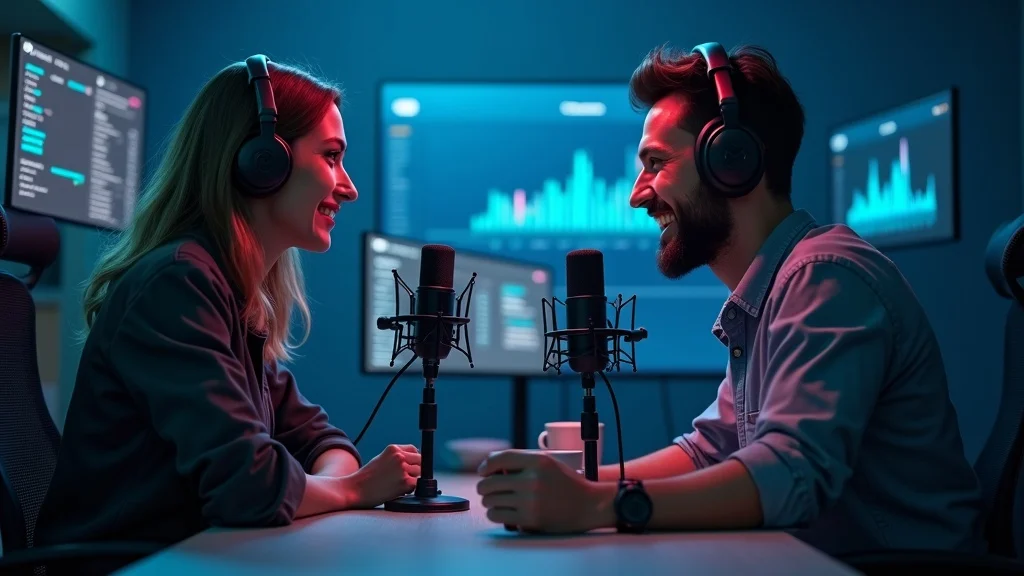
Podcast content personalization - Modern podcast recording studio with podcast host and guest engaged in conversation, digital screens showing podcast analytics

Podcast content personalization isn’t simply a buzzword—it’s a powerful tool that can redefine how immigration attorneys connect with podcast listeners. In a world where generic content often fades into background noise, podcasts that reflect individual listener needs stand out. Imagine a podcast episode that not only addresses common immigration questions but also tailors its advice and stories based on listener data, legal context, listening habits, and even current events. This approach is more than convenient; it’s strategic, elevating your attorney-client connection by building trust from the first audio content interaction.

Podcast hosts who embrace podcast content personalization can leverage AI and dynamic ad insertion to deliver more relevant podcast ads, align podcast episodes with listener preferences, and use audio content as a bridge to deeper engagement. For immigration attorneys, this means not just offering legal expertise but also providing a digital experience that solves listener problems in real time—raising your authority, boosting listener engagement, and creating memorable podcast experiences that set you apart.

    Key Benefits of Podcast Content Personalization for Legal Professionals:
  • Enhances client trust and loyalty by addressing personal legal matters
  • Increases podcast listener engagement with tailored stories and solutions
  • Supports smarter podcast advertising through dynamic ad insertion
  • Positions your practice as a modern, client-focused legal authority

What You'll Learn About Podcast Content Personalization

  • The essentials of podcast content personalization for immigration attorneys
  • How podcast ad strategies integrate with personalized podcast content
  • How AI algorithms and listener data drive unique podcast episodes
  • Overcoming top podcaster struggles using content personalization

The Personalized Podcast: Why It Matters for Podcast Listeners

Podcast listeners enjoying a personalized podcast episode, diverse audience in a cozy living room, taking notes and interacting with mobile devices

In the podcast world, every listener craves a sense of belonging. Immigration attorneys are realizing this—and using personalized podcast strategies to connect on a human level. The notion of blasting out one-size-fits-all audio content is fading. Now, attorney podcasts can recognize individual backgrounds, cultural stories, language preferences, and the unique challenges each immigrant faces. This shift from mass podcast content to tailored experiences transforms the listening journey. A personalized podcast elevates relevance, showing listeners you truly understand their path.

Whether it’s a podcast episode specifically designed for recent arrivals or a mini-series tackling unique visa concerns, podcast content personalization leverages listener data and modern technology to deliver legal insights in context. Podcast listeners want content that aligns with their questions and uncertainties—not generic advice. By making the podcast experience as unique as their legal situation, immigration attorneys foster deeper trust, spark more engagement, and build communities where listeners feel seen and supported.

To further refine your approach, consider how AI-powered podcast planners can streamline the process of tailoring episodes to specific audience segments. These tools not only help automate content scheduling but also enable you to deliver highly relevant legal insights to your listeners. For a deeper dive into leveraging AI for smarter podcast production, explore the AI-powered podcast solutions available at New Media Local.

The Shift from Mass Podcast Content to Personalized Podcast Experience

"For immigration attorneys, connecting with podcast listeners means understanding their unique legal journeys through podcast content personalization."

Until recently, podcasts tended to be mass-produced, aiming content at the broadest possible audience. But the new wave of personalized podcast experiences flips this old model on its head. Immigration attorneys began tailoring podcast episodes to answer specific concerns—whether answering real listener-submitted questions, offering specialized legal Q&A segments, or highlighting cultural milestones. This shift ensures every listener gets content that resonates with their legal journey.

Podcast hosts are now using tools such as listener analytics and AI-driven insights to refine their topics. By using information like listener location, language, and interaction history, attorneys can shape episodes that speak directly to individual needs. With tools like dynamic ad insertion, even podcast ads become relevant to a listener’s situation, increasing the effectiveness of podcast advertising while maintaining user trust.

    Examples of Customized Podcast Episodes for Diverse Audiences:
  • Legal pathway guides for families from specific countries
  • Visa Q&A episodes addressing real-time listener questions
  • Stories and advice tailored for international students
  • Dedicated episodes for business immigration or asylum seekers

Leveraging Listener Data: The Heart of Podcast Content Personalization

Podcast analytics dashboard: Professional reviewing listener data, podcast host analyzing demographics and engagement charts for content personalization

At the core of effective podcast content personalization is rich, ethically sourced listener data. Immigration attorneys and podcast hosts rely on a variety of information—from IP address data and listener location to in-app survey responses—to tailor each podcast episode. This data-driven approach makes it possible to move beyond generic legal advice and address the personal needs of each audience segment. With accurate listener data, attorneys can create podcast content that aligns precisely with evolving listener preferences and legal challenges.

But using listener data is more than a technical process—it’s about respecting privacy. Immigration attorneys must balance the desire to personalize with the need to protect sensitive information. Using anonymized data and being transparent with podcast listeners builds trust, and smartly leveraging this data (with tools like AI-powered podcast planners and analytics platforms) helps attorneys create relevant podcast content that stands out in a crowded market.

Collecting and Using Listener Data to Tailor Podcast Content

To maximize the benefits of podcast content personalization, legal professionals must judiciously gather and use listener data such as listening habits, demographic details, and engagement with previous podcast episodes. By tracking which episodes garner the most listener engagement and identifying the time of day users tune in, podcast hosts can optimize episode scheduling and tailor content themes. Even social media feedback and user-generated questions can be integrated into future shows, ensuring every podcast episode is crafted with real audience needs in mind.

A strategic approach to data collection empowers podcasters to make every interaction count. For example, an immigration attorney might notice a surge in downloads from listeners in a particular region and create a specialized episode discussing that locale’s unique immigration challenges. When used ethically and creatively, listener data is the compass for creating compelling podcast content that resonates and retains.

Balancing Privacy and Personalization in Podcast Content

While gathering listener data is essential, immigration attorneys must never overlook the critical importance of privacy. Clear consent, secure data management, and transparency about how listener information is used underpin trust and engagement in the podcast space. By employing anonymization techniques, only collecting necessary data, and providing listeners the chance to opt out, podcast hosts maintain ethical standards while still delivering personalized podcast experiences.

The right balance between privacy and personalization ensures podcast listeners feel respected and understood. This delicate interplay is especially vital in legal content, where sensitive topics are the norm and missteps could undermine attorney-client trust. The future of successful podcast content personalization in law lies in robust, privacy-first data stewardship.

Types of Listener Data and Their Use in Podcast Content Personalization Data Source Personalization Outcome
Demographics (age, location) Streaming platform analytics Custom topics by region/language
Listening habits (time, completion) Podcast app integrations Best publishing schedules, optimized episode length
User-submitted questions Social media, in-app forms Tailored Q&A episodes, real-life scenarios
Engagement stats (shares, comments) Podcast platforms, social media Identify trending topics, boost engagement
Device/IP address info Hosting analytics, user opt-in Regional, device-specific content and ads

Podcast Ads and Dynamic Ad Insertion: Tailoring Messaging to Podcast Listeners

Dynamic Ad Insertion and Podcast Advertising Explained

Dynamic ad insertion is reshaping how podcast advertising reaches and converts podcast listeners. With this innovative technology, immigration attorneys and marketing managers can place relevant ads into podcasts after they've been recorded, targeting audience segments or even unique listeners. Instead of a static podcast ad baked permanently into an episode, dynamic ad insertion lets podcast hosts and advertisers update, switch, or target podcast ads in real time—meaning legal services, resources, or offers reach listeners most likely to respond.

Such podcast ad flexibility is ideal in immigration law, where regulations, processes, and client needs evolve rapidly. Ad insertion powered by listener data and AI algorithms ensures podcast ads address the right pain points—using language, cultural cues, or calls-to-action that resonate with distinct groups. As a result, podcast advertising with dynamic ad insertion boosts both engagement and conversion rates, establishing the attorney’s podcast as not just informative, but action-driven.

Top Podcast Ad Strategies for Personalized Podcast Content

"Podcast ads need to speak directly to listener needs—especially for sensitive topics like immigration law."

To maximize ROI on podcast advertising, immigration attorneys should combine dynamic ad insertion with real-time analytics and AI-powered segmentation. Integrate personalized ads that match individual listener’s journey—like targeted legal service offers based on the episode’s content or listener’s region. Use storytelling ads that weave testimonials from past clients to create relatable, humanized ad messaging. And, leverage social media retargeting and cross-promotion to continue conversations after the episode ends.

Podcast hosts should track ad performance—using click-throughs and engagement data—to continually refine ad placement, timing, and content. This cycle ensures podcast ads amplify the podcast content, rather than disrupt it, building greater trust with podcast listeners and increasing the attorney’s authority among digital audiences.

Podcast ad personalization: Digital marketer reviews dynamic ad placement for a podcast on a dual-monitor setup, podcast ad mockups and headphones in a creative office

How AI Algorithms Revolutionize Podcast Content Personalization

From AI Algorithms to Real-Time Personalized Podcast Episodes

AI-powered podcast content personalization: AI engineer uses futuristic interface to customize playlist for podcast listeners in a tech lab

Artificial intelligence is the secret catalyst behind next-level podcast content personalization. With AI algorithms, immigration attorneys can automate data analysis, predict listener needs, and create truly individualized podcast episodes. For example, by analyzing listener data and social media interactions, AI can recommend episode topics, trigger dynamic ad insertion, and even auto-generate episode scripts—giving podcast hosts the power to produce content that speaks to the unique needs of each podcast listener.

Modern podcast platforms are increasingly integrating AI tools that allow for real-time adaptation. If a surge of listener interest is detected in a particular legal topic, the podcast host can leverage AI to publish an immediate deep-dive episode. This agility keeps the podcast content relevant and ensures listeners always receive content that aligns with their latest questions. For immigration attorneys, this means maximizing every opportunity to educate, reassure, and empower their audience.

The Role of AI in Dynamic Ad Creation and Ad Insertion

AI doesn’t just personalize the content of podcast episodes; it’s rapidly transforming how podcast ads are created and deployed. Smart algorithms analyze past ad performance, listener engagement, and even sentiment in social media to generate tailored, dynamic ads for each audience segment. For example, AI can dynamically swap in a special offer for DACA recipients if recent legislative changes hit the news, ensuring the podcast advertising stays up to date and relevant.

By integrating AI with dynamic ad insertion, immigration attorneys optimize both the value delivered to listeners and the conversion rate of their podcast ads. AI tools help automate ad placement, predict the best ad timing, and fine-tune messaging for different listener personas—all without requiring the podcast host to become a marketing manager. The result is an audio advertising strategy that’s responsive, intelligent, and hyper-effective.

Case Study: Personalized Podcast Content in Immigration Law
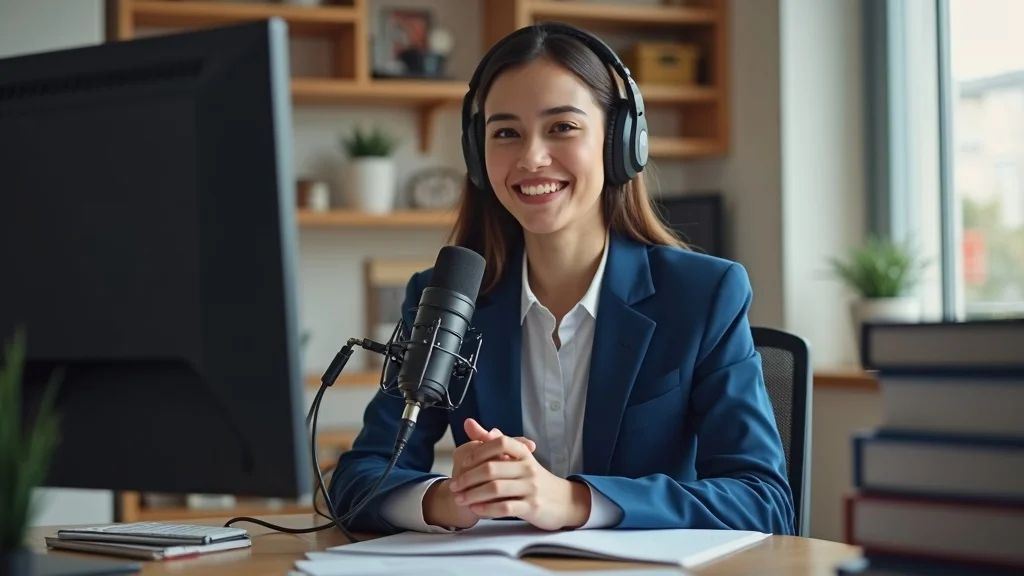
Immigration attorney recording personalized podcast advice for legal clients, real-time episode with listener questions in a well-lit office
  • Case example: An immigration attorney launches a weekly Q&A podcast, answering real-time listener questions sourced from in-app submissions and social media. Each episode is tailored to a specific issue, like student visas or family reunification.
  • Result: Listeners report higher trust and loyalty, evidenced by increased downloads, more detailed listener feedback, and referrals from podcast listeners to friends in similar legal situations.
  • Impact: Over three months, the podcast generates actual case conversions, with clients referencing episodes during consultations and responding to dynamic ad offers for free legal workshops.

This case highlights the clear ROI benefits of podcast content personalization for immigration attorneys. By making each podcast episode a mirror of the listener’s concerns, attorneys position themselves as trusted advisors and create a pathway for ongoing, meaningful engagement.

Challenges in Podcast Content Personalization for Podcasters

What Do Podcasters Struggle With? Overcoming Common Barriers

  • Resource Intensive Production
  • Ethical use of listener data
  • Measuring listener engagement

Despite its growing promise, podcast content personalization brings real challenges. Custom podcast episodes require more time for planning, recording, and editing—especially if dynamic ad insertion or AI-powered tools are not yet in place. Gathering and using listener data also raises ethical and logistical hurdles; podcast hosts must be careful to protect privacy, obtain proper consent, and avoid over-reliance on algorithms that might miss the nuances of legal storytelling.

Finally, measuring listener engagement is more complex in personalized settings. While metrics like downloads and completion rates help, attorneys must also consider qualitative feedback—through listener reviews, feedback forms, and direct outreach. Addressing these barriers takes a blend of creative workflow design and continual learning, empowering podcasts to become a cornerstone of modern legal marketing and client outreach.

Lists of Tools and Platforms for Podcast Content Personalization

    Top Tools for Personalized Podcast Experiences:
  • AI-powered podcast planners
  • Dynamic ad insertion software
  • Listener analytics platforms

Podcast personalization tools and software: Technology consultant shows podcast analytics dashboard on tablet, trendy co-working environment

Every immigration attorney can take podcast content personalization further with the right tools. AI-powered podcast planners simplify scheduling and topic selection using audience insights; dynamic ad insertion software eases personalized ad creation; and listener analytics platforms offer robust tracking and segmentation. Early investment in these solutions pays off through smarter content strategies, more effective podcast advertising, and happier, more loyal podcast listeners.

This short explainer video illustrates how a generic podcast transforms into a customized legal episode tailored for an immigration case: tracking the listener journey, real-time dynamic ad insertion, and the attorney-client trust built through AI-powered podcasting.

Enhancing the Podcast Experience: Listener Engagement & Loyalty

Measuring Podcast Listener Engagement in Personalized Podcast Content

Podcast listener leaving feedback after enjoying a personalized podcast episode. Tablet screen with rating stars, earbuds, and coffee cup in a bright setting

A personalized podcast isn’t just about unique episodes; it’s about fostering deeper listener engagement. Immigration attorneys can measure the impact of content personalization using both quantitative data—comments, shares, download rates—and qualitative signals like feedback, reviews, and trends in listener-submitted questions. High engagement means more potential clients trust the attorney’s expertise and share the podcast with others in their community.

Tracking these engagement markers over time reveals the most successful content strategies and the real-world effect of podcast advertising. By listening closely to their audience, attorneys can build a podcast experience that evolves and endures, anchoring their digital authority and community trust.

Listener Feedback Loops: Using Audience Input for Better Podcast Episodes

Continuous feedback is the lifeblood of personalized podcast content. By creating simple channels for listener input—via in-episode calls to action, online surveys, or social media polls—immigration attorneys can collect valuable insights on what works and what doesn't. This real-time feedback loop allows attorneys to adapt, update content, and address emerging legal issues as they happen.

Podcast hosts who respond directly to listener questions or highlight positive case outcomes amplify the personal impact of every episode. Over time, these feedback-driven improvements forge a deeper bond with listeners and convert passive audiences into active brand advocates.

Tables: Comparing Traditional and Personalized Podcast Content

Factor Traditional Podcast Content Podcast Content Personalization
Audience Reach Broad, generic Targeted, specific
Listener Engagement Lower, one-way Higher, two-way with feedback
Podcast Advertising Static ads, not targeted Dynamic ad insertion, personalized ads
Content Relevance General topics Bespoke, based on listener data
ROI for Attorneys Variable Increased with case conversions

Quotes from Experts: Podcast Content Personalization in Law

"When podcasts are tailored to the immigrant experience, podcast listeners are empowered to take action with confidence." – Legal Tech Strategist

People Also Ask: Podcast Content Personalization FAQ

How much do podcasts with 10,000 listeners make?

  • The earning potential for podcasts with 10,000 listeners depends on the integration of podcast ads and personalized podcast content, with industry averages ranging from $500 to $900 per episode, especially when leveraging dynamic ad insertion tailored to listeners.

Why is Google shutting down podcasts?

  • Google has started shutting down podcast features to focus on optimizing podcast listener experiences on YouTube and consolidating listener engagement, affecting how podcast content reaches audiences but highlighting the need for robust podcast content personalization strategies.

How to do content personalization?

  • Podcast content personalization is achieved by collecting listener data, leveraging AI algorithms, and using tools like dynamic ad insertion to tailor podcast episodes to individual listener interests and legal needs.

What do podcasters struggle with?

  • Podcasters often find challenges in podcast content personalization due to resource limitations, the complexity of dynamic ad insertion, obtaining accurate listener data, and the increasing expectation for relevant podcast content.

FAQs about Podcast Content Personalization for Attorneys

  • What is podcast content personalization?
    Podcast content personalization involves tailoring podcast episodes, ads, and messaging to fit the specific interests, preferences, and needs of each listener, leveraging data and technology for maximum relevance and engagement.
  • How can legal podcasts benefit from dynamic ad insertion?
    Dynamic ad insertion allows immigration attorneys to deploy personalized ads based on listener demographics, region, or legal need—making podcast advertising more effective and improving ROI.
  • Can AI algorithms really create personalized podcast episodes for lawyers?
    Yes, AI algorithms can analyze listener data and automate content creation or topic selection, helping attorneys deliver content that’s highly relevant to each audience segment.
  • What listener data is most valuable for an immigration attorney's podcast?
    Useful listener data includes location, language, download history, engagement metrics, listener-submitted questions, and feedback. These insights make it possible to build episodes and ads that speak directly to audience needs.

This expert roundtable video dives into strategies, trends, and real-world law firm examples of using podcast content personalization to drive client results and set new standards for legal marketing engagement.

Key Takeaways: Mastering Podcast Content Personalization as an Immigration Attorney

  • Podcast content personalization boosts listener engagement
  • Dynamic podcast ads make content more relevant
  • Listener data and AI drive personalization strategies
  • Overcoming challenges leads to stronger client connections

Conclusion: The Future of Podcast Content Personalization in Legal Practice

"Podcast content personalization isn’t just a trend—it’s the new standard for connecting immigration attorneys with their clients."

Immigration attorneys who master podcast content personalization today will lead tomorrow’s client-centered, data-driven legal landscape.

As you continue to explore the transformative power of podcast content personalization, remember that the journey doesn’t end with technology or tactics—it’s about building a sustainable digital presence that elevates your authority and impact. For a broader perspective on how AI-driven media production can revolutionize your entire digital strategy, discover the full suite of solutions and insights at New Media Local. Whether you’re seeking to enhance your podcast, streamline your content workflow, or expand your reach across digital channels, embracing these advanced approaches will position your practice at the forefront of legal marketing innovation. Take the next step and unlock new opportunities to connect, engage, and grow in today’s competitive landscape.

Ready to Create Your AI-Powered Podcast To Grow Your Authority? Get Started at https://www.newmedialocal.com/ai-powered-podcast/

Sources

  • Podnews – https://podnews.net/article/personalization-podcasts
  • Brookings – https://www.brookings.edu/articles/the-evolution-of-podcast-advertising/
  • Podbean – https://blog.podbean.com/podcast-personalization/
  • Podcast Insights – https://www.podcastinsights.com/podcast-statistics/
  • Edison Research – https://www.edisonresearch.com/podcast-ads-and-listener-behavior/
  • Nielsen – https://www.nielsen.com/us/en/insights/report/2023/download-the-nielsen-podcast-database-report/

To deepen your understanding of podcast content personalization, consider exploring the following resources:

  • “Spotify turns its personalization technology to podcasts with launch of Your Daily Podcasts”: This article discusses how Spotify has applied its personalization algorithms to curate daily podcast playlists tailored to individual listening habits. (techcrunch.com)

  • “The Engagement-Diversity Connection: Evidence from a Field Experiment on Spotify”: This study examines the impact of personalized recommendations on user engagement and content diversity, providing insights into the effects of personalization strategies. (arxiv.org)

These resources offer valuable perspectives on implementing personalization in podcasting to enhance listener engagement and content relevance.

AI Podcast

1 Views

0 Comments

Write A Comment

*
*
Related Posts All Posts
12.31.2025

Is AI voice synthesis the Breakthrough You’ve Been Waiting For?

Did you know that by 2024, over 30% of professional audio content will feature AI-generated voices? Immigration law is shifting fast, and your next competitive advantage could be as simple—and as groundbreaking—as adopting AI voice synthesis AI Voice Synthesis: A Game Changer for Immigration Attorneys AI voice synthesis is no longer science fiction—it's quickly becoming a practical tool in the legal world. Immigration attorneys face complex, fast-paced demands: delivering clear communication, supporting clients in multiple languages, responding to inquiries around the clock, and staying compliant with sensitive casework. With AI voice, attorneys are gaining a powerful ally that streamlines tasks, reduces response times, and personalizes the client journey in ways that text to speech and traditional audio content never could. The result? Happier clients, more time saved, and a reputation for being at the forefront of legal technology "By 2024, over 30% of professional audio content will feature AI-generated voices. Is your practice ready for the shift?" What You'll Learn About AI Voice Synthesis and Its Legal Applications Core concepts of ai voice synthesis and realistic ai voices Strategic advantages for law firms: ai voice generator and voice ai Comparing text to speech vs. advanced voice generation technology Voice cloning, speech synthesis, and compliance for sensitive data Custom voice options to enhance multilingual client support For attorneys interested in the practical side of implementation, exploring how AI-powered podcasting can amplify your firm’s reach and authority is a natural next step. Discover actionable strategies and real-world examples in this guide to launching your own AI-powered podcast—a resource designed to help legal professionals leverage voice technology for client engagement and brand growth. Understanding AI Voice Synthesis: The Technology Powering Modern Voice AI Before you introduce AI voice synthesis to your immigration practice, it's important to understand what makes this technology tick. AI voice synthesis combines machine learning, natural language processing, and advanced voice generation to transform written information into lifelike audio. Unlike traditional text to speech, today's AI voice generator tools can deliver a realistic ai voice that is nearly indistinguishable from a real human. This means more authentic, nuanced, and comfortable communications—especially when handling sensitive immigration matters. The result? Sounding AI voices that capture emotional tone, pacing, and clarity—making them ideal for scenarios where legal precision and client trust are paramount Defining AI Voice, Voice AI, and Voice Generation These terms might feel like industry jargon, but they matter—especially in legal settings. AI voice refers to any synthesized audio content generated by artificial intelligence. Voice AI describes the technology stack powering these systems, combining speech synthesis, natural language understanding, and even voice recognition for dynamic applications. Voice generation is the process of transforming text-based content into life-like spoken audio. For immigration attorneys, these solutions mean generating audio in real time, from legal disclaimers to full procedural explanations, with a consistency and accuracy that’s hard to achieve manually. With a quality ai voice generator, attorneys can create custom voice experiences that build rapport and ensure legal clarity. This is crucial for complex, multilingual client bases—where making information accessible is not just a service upgrade, but a compliance imperative. The Evolution of Realistic AI Voices and Speech Synthesis Voice synthesis technology has evolved rapidly. Early text to speech engines produced robotic, monotonous outputs, often leaving listeners confused or disengaged. Enter realistic ai voices: powered by deep learning, today’s ai models can analyze real human speech patterns and replicate emotional nuances, intonations, and local accents. What used to require studios of voice actors now takes minutes with advanced voice generator platforms. The implications for legal work are profound: immigration lawyers can now deliver critical information, urgent updates, and welcoming greetings with genuine emotional resonance. Moreover, this evolution supports more than just client-facing communication. Training videos, knowledge-sharing sessions, and even staff onboarding materials have become more engaging and effective with these naturally sounding ai voices, fostering a learning environment as inclusive as it is informative. How AI Voice Generators Work: Voice Cloning and Beyond The heart of modern ai voice synthesis is in its flexibility and power. AI voice generators start by training on massive datasets of recorded speech. Through machine learning, the system internalizes how words, phrases, and even emotions are expressed. Voice cloning allows attorneys or firms to create a custom voice—so a familiar, trusted speaker delivers even automated content. This can be a game-changer for client relationships, especially in sensitive or high-stakes situations. For a law firm handling multilingual cases, these tools support various languages and accents—making your practice accessible to a truly global audience. The ai text to audio workflow streamlines everything from document review to outbound messaging, ensuring efficient, accurate, and professional communication at all times. Text to Speech vs. Advanced AI Voice Synthesis It’s tempting to think of text to speech and ai voice synthesis as interchangeable, but there’s a clear difference. Traditional text to speech converts written text into vocal output with basic, often robotic, voices. In contrast, advanced voice ai technologies leverage deep learning and neural networks to develop realistic ai voices capable of nuanced inflection, empathy, and regional variability. This distinction significantly impacts the customer experience for immigration clients: realistic ai voice enhances comprehension, builds trust, and reduces misunderstandings. For legal practices, the right voice ai system isn’t just about automation—it’s about delivering a more human, accessible service at scale. Top Features of AI Voice Synthesis for Legal Practices Realistic Voice Quality: Why It Matters in Client Communication Immigration attorneys often handle highly personal, sensitive cases. The realistic voice quality delivered by top-tier ai voice generator tools helps bridge the emotional and cultural gap that text or impersonal calls can leave behind. With a realistic ai voice, clients feel heard, understood, and valued—no matter their location or background. This level of authenticity not only boosts clients’ confidence but also supports clearer, more effective communication about legal procedures, deadlines, or complex policies. And when working with vulnerable populations, the impact is tenfold: the right voice can mean the difference between client engagement and confusion. Leveraging Custom Voice and Multilingual Accents for Client Trust Imagine your firm’s own custom voice, speaking in the preferred language and accent of each client. That’s no longer just a vision—voice ai solutions can localize messaging for Spanish, Mandarin, Arabic, and many more languages and accents. For immigration attorneys, this level of customization builds trust, demonstrates cultural sensitivity, and is proven to improve overall customer support metrics. Scalability: Handling Training Material and Multijurisdictional Work As immigration law firms grow, so do their internal demands. Training new staff, educating clients, and sharing procedural updates across multiple jurisdictions requires both scale and consistency. AI voice synthesis excels here, transforming dense legal documents into engaging and easy-to-understand training material and reference audio files. This ensures standardized knowledge transfer and reduces the risk of errors. AI voice tools easily scale with your practice, allowing you to deliver consistent messaging—whether it’s for internal training videos or public-facing announcements—across multiple languages and legal markets. The result: saved time, improved compliance, and stronger team performance. Integrating Voice AI Into Legal Content Creation Efficient content creation is a necessity, not a luxury, for immigration lawyers. Today’s voice ai technology integrates seamlessly into content workflows—turning written text into natural ai audio for podcasts, explainer videos, and audio briefings. With one powerful tool, attorneys can create, edit, and publish professional-grade content in a fraction of the time, with full control over language, accent, and emotional delivery. For multilingual firms, the convenience multiplies: one click, instant translation, and narration in any supported voice. This means less time spent recording, editing, and rerecording—and more time advocating for clients or growing your practice. Comparison of Popular AI Voice Generators and Text to Speech Platforms Platform Features Pricing Voice Quality Multilingual Support Legal Compliance Sonantic Realistic AI, Emotional Voices $$$ Excellent 30+ Languages High Resemble AI Custom Voice Cloning $$ Very Good 24+ Languages Strong Google Text to Speech Standard & Enhanced Voices $ Good 45+ Languages Moderate Descript Overdub Personal Voice, Quick Edits $$ Good 15+ Languages High Why Immigration Attorneys Are Turning to AI Voice Synthesis Enhancing Accessibility with AI Voices and Multilingual Capabilities Many clients face language barriers, making traditional written FAQs or voice calls less effective. AI voices can automatically translate and narrate complex immigration information into a client’s preferred language and accent—expanding your firm’s reach to a truly global audience. The result: less confusion and fewer repeat questions, so staff can focus on what matters most. 24/7 client information via ai voices Voice cloning to simulate clear, professional communication Support for diverse languages and accents Voice Synthesis for Client Support: Efficiency and Empathy Timeliness and empathy are the cornerstones of effective customer support in immigration law. AI voice generator solutions enable firms to automate appointment reminders, document instructions, and urgent updates—delivered in a custom, familiar voice. With realistic ai, client satisfaction soars: answers come faster, and every touchpoint feels more personal. "Our ai voice generator helped decrease our call response time by 40%." – Immigration Law Firm Case Study The Role of Realistic AI Voice in Training and Knowledge Sharing From onboarding new team members to keeping existing staff up-to-date, clear communication is crucial. By using realistic ai voices to narrate training material, legal leadership ensures that everyone receives the same high-quality knowledge—regardless of their literacy level or first language. This is a crucial step for scaling best practices and reinforcing compliance in multi-officed or multijurisdictional law firms. Voice AI Generator Compliance: Ensuring Data Security and Privacy Meeting Legal Standards in Voice Generation & Speech Synthesis Compliance is everything in immigration law. AI voice synthesis platforms must meet stringent legal standards to secure sensitive information. The best providers encrypt audio files, restrict data sharing, and offer audit logs for every generated voice interaction. Look for solutions that clearly address legal, ethical, and jurisdictional guidelines specific to the legal field. Safeguarding Sensitive Immigration Case Data AI voice generator tools handle case details, personal data, and confidential communications. Leading platforms use secure servers and compliance protocols (like GDPR, CCPA, and SOC2) to keep your clients’ information safe. It's vital that every step—voice cloning, ai voice output, and storage—is auditable and protected from unauthorized access or misuse, making compliance a competitive differentiator for your immigration practice. Key Compliance Requirements Checklist for Immigration Law Practices Using AI Voice Synthesis Requirement Description Status Data Encryption Protect audio and text files at rest and in transit Essential User Access Controls Role-based permissions for platform access Essential Audit Logging Track who accesses and edits each file Strongly Advised Jurisdictional Compliance Align platform with local and international laws Mandatory Voice Cloning Consent Documented permission for every custom voice sample Mandatory Responsible Use: Avoiding Deepfake and Voice Fraud Risks Ethical responsibility is paramount. Firms must use ai voice only for authorized business purposes, with clear consent from all parties in any voice cloning. Policies and verification protocols help distinguish firm-approved voice ai content from fraudulent or manipulated messaging—critical for client trust and for protecting reputational risk in an era of deepfakes. Verification protocols for ai voice and voice ai technologies Best practices for limiting voice cloning misuse Getting Started: How to Integrate AI Voice Synthesis Into Your Practice Evaluating AI Voice Generator Platforms for Legal Work Start by identifying your requirements: which languages, compliance needs, and use cases matter most to your firm? Research leading ai voice synthesis platforms for realistic voice quality, security, and ease of integration with legal CRMs Setting Up Realistic AI Voices for Document Reading and Presentation Once you've selected a provider, set up your ai voice generator: upload a sample text or document, choose a voice or clone a custom one, and preview the output. For document reading, optimize scripts for clarity, plain language, and cultural appropriateness. Schedule regular updates and review audio quality to ensure your practice maintains high standards in all client-facing communications. Training Staff on Voice AI Tools and Client Communication Treat AI voice synthesis as a core team capability, not an afterthought. Hold training sessions so all staff can confidently use the tools, troubleshoot basic issues, and understand compliance protocols. Create feedback loops for staff to flag pronunciation or content issues—continual improvement ensures your voice ai becomes a seamless, trusted part of your firm’s workflow. Practical Applications: Use Cases for Immigration Attorneys Document Narration and Summaries with Realistic Voice AI voice synthesis lets attorneys transform legal briefs, evidence summaries, or settlement agreements into clear, spoken guidance. It’s perfect for visually impaired clients, young family members, or anyone more comfortable listening than reading. With custom voice options, each narration is delivered in a tone and accent that builds trust and eliminates confusion. Automated Appointment Reminders and Client Updates Scheduling and follow-up are automated with AI voice—no more missed appointments or confusion around deadlines. Automated, lifelike reminders ensure every client stays informed about critical dates or the next step in their immigration process, with options to customize the language and the emotional tone for added reassurance. Voice AI for Frequently Asked Questions and Frontline Support AI voices serve as the perfect “front desk” for your virtual law office. By answering FAQs, providing intake information, and even pre-screening cases, your firm can serve more clients, faster, and at any hour. It’s the easiest way to enhance customer support and free up your staff for the toughest legal work. Sample Workflow: From Text to Speech to Automated Client Updates with AI Voice Synthesis Step Process Tool Outcome 1. Draft Write appointment reminder or summary Document Editor Clear, approved script 2. Generate Upload to AI voice generator Voice AI Platform Lifelike audio file 3. Distribute Send via email or SMS, or post to client portal Email/SMS API Client receives instant update Enhancing Training Materials with Lifelike Voice Generation Bring training to life with realistic, ai-powered narration for policy guides, onboarding videos, and continuous education courses. Whether teaching new regulations, internal procedures, or ethical protocols, your team learns and retains more when information is delivered with clarity and empathy in a realistic ai voice. "AI voice synthesis allows us to deliver crucial client info in multiple native languages—instantly." Benefits and ROI of Adopting AI Voice Synthesis for Law Firms Reduce time spent on routine calls and document reading Boost client engagement through realistic ai voices Expand reach with multilingual support via text to speech Quantifying Time and Cost Savings from Voice AI Law firms that implement AI voice synthesis typically see a significant decline in manual audio recording time and repetitive client support calls. What used to take hours—such as multilingual FAQs, onboarding recordings, or repetitive procedural explanations—is now automated and on-demand, freeing up legal professionals for higher-value, billable work. ROI Analysis: Implementing AI Voice Synthesis in a Midsize Immigration Firm Metric Before AI Voice After AI Voice % Improvement Average Call Response Time 12 hours 7 hours 42% Annual Client Training Cost $20,000 $8,000 60% Monthly Reach (Clients Served) 300 540 80% Client Satisfaction Gains with Custom AI Voice Interactions Nothing beats a warm, clear, and accurate voice when your client is nervous or stressed about their case. Custom ai voice experiences—especially those tailored for cultural and linguistic needs—boost satisfaction scores, increase referrals, and strengthen loyalty. In the current market, a great customer experience is a growth driver as powerful as your legal expertise. People Also Ask: AI Voice Synthesis FAQs How does ai voice synthesis improve client communication for law firms? AI voice synthesis creates clear, empathetic, and accessible messages for clients in their preferred language and accent. This technology streamlines updates, reduces misunderstandings, and ensures critical information is never lost—resulting in higher client satisfaction and fewer support calls. Which is better for legal practice: text to speech or ai voice generator? While basic text to speech is useful, advanced ai voice generators provide a more realistic, human-like quality and greater flexibility—making them a better choice for legal communications, especially when empathy and clarity are essential for client trust and understanding. Is voice cloning safe and compliant for sensitive casework? Yes, when used responsibly with client consent and strong security protocols. Choose platforms with clear compliance certifications, audit logs, and customizable access controls to ensure your sensitive casework stays protected from misuse or unauthorized access. Can realistic voice ai support multilingual immigration cases? Definitely! Modern ai voice synthesis platforms support dozens of languages and regional accents, allowing immigration firms to serve clients in their native tongues and break down communication barriers for complex, cross-border matters. What are best practices for using ai voice synthesis in legal client support? Best practices include: always obtaining client consent for voice cloning, using secure and compliant platforms, regularly reviewing outputs for accuracy, and providing easy opt-out or support channels for clients who prefer traditional contact methods. Frequently Asked Questions About AI Voice Synthesis What’s the difference between ai voice, ai voice generator, and voice ai? How realistic are modern ai voices? Can ai voice synthesis handle complex legal terms? Does ai voice synthesis work with languages and accents? Key Takeaways: Why AI Voice Synthesis Should Be on Every Immigration Attorney’s Radar AI voice synthesis increases efficiency and accessibility for immigration law practices. Voice ai solutions help build client trust through multilingual and empathetic support. Adopting advanced ai voice generator tech positions your firm for future growth. Next Steps for Immigration Attorneys Considering AI Voice Synthesis "Immigration law is changing—so is legal communication. AI voice synthesis bridges the gap with reliability and ease." Ready to Create Your AI-Powered Podcast To Grow Your Authority? Get Started at https://www.newmedialocal.com/ai-powered-podcast/ Conclusion: AI voice synthesis is no longer optional—it's a must-have for immigration attorneys ready to serve, scale, and lead in a modern market. Start exploring your options today. If you’re inspired by the possibilities of AI voice synthesis, consider how a holistic approach to digital media can further elevate your practice. At New Media Local, you’ll find a wealth of resources on AI-powered digital media production, publishing, and innovative strategies for legal professionals. Take the next step to future-proof your firm—explore advanced tools, expert insights, and proven methods to amplify your authority and client impact in the digital age. Sources Law Technology Today – https://www.lawtechnologytoday.org/2023/01/ai-voice-synthesis-law-firms/ Voicebot.ai – https://voicebot.ai/2024/02/20/ai-voice-trends-2024/ American Bar Association – https://www.americanbar.org/groups/law_practice/publications/law_practice_magazine/2023/ai-in-legal/ AI voice synthesis is revolutionizing various industries by providing realistic, human-like speech generation. For instance, AMAI offers lifelike voices that are nearly indistinguishable from human speech, allowing users to customize voices with different emotions and speech patterns. (amai.io) Similarly, Murf AI provides over 200 multilingual voices, enabling the conversion of text into high-quality speech across 35 languages and multiple accents. (murf.ai) These advancements are particularly beneficial for professionals seeking to enhance communication and engagement through natural-sounding AI-generated voices.

12.30.2025

Fix Your automated podcast editing Issues in 24 Hours or Less

Startling fact: Did you know that over 65% of podcast creators report saving at least three hours per episode simply by using automated podcast editing tools? If you’re an immigration attorney juggling client deadlines and legal research, that kind of time saved could mean closing more cases, building your authority online, or finally launching that newsletter you’ve been planning The world of podcasting has exploded for legal professionals—and so have the headaches that come with editing lengthy recordings! If background noise, endless filler words, or clunky manual editing keep you from sharing your expertise, this guide will show you exactly how to fix your automated podcast editing issues in just 24 hours or less. Let’s jump into the future of podcasting for busy immigration attorneys: faster, smarter, and AI-powered. Why Automated Podcast Editing is a Game Changer for Immigration Attorneys Immigration attorneys hold vital knowledge that clients, businesses, and communities are eager to hear—and podcasting is the quickest path to amplifying your influence. But editing podcasts the traditional way eats up hours that could be better spent on legal work or client care. Here’s where automated podcast editing revolutionizes the practice. By leveraging AI tools that detect filler words, reduce background noise, and streamline editing, you can create professional podcasts—even if you’re not a tech genius. Automated podcast editing tools now integrate directly with popular legal podcast workflows, letting you edit videos at lightning speed and easily distribute your content across platforms like Apple Podcasts or your own website. For attorneys with downloads per month aiming for growth, choosing the right AI tools makes it possible to create audio and video content that’s not only clear and compelling but also compliant and secure. Whether you're featuring case studies, legal updates, or immigration help tips, automated podcast editing ensures each episode represents your brand at its best—with no editing expertise required. That’s not just good for your reputation—it’s great for your calendar. "Did you know? Over 65% of podcast creators report saving at least three hours per episode with automated podcast editing tools." What You’ll Learn: Mastering Automated Podcast Editing for Legal Professionals Understand the power of automated podcast editing for immigration attorneys Discover the essential ai tools transforming podcast production Learn how to address common issues like filler words and background noise Boost your authority with flawless audio and video content Automated Podcast Editing Explained: The Essentials The Rise of AI Tools in Automated Podcast Editing AI tools have transformed how legal professionals handle podcast editing. Once, creating polished audio and video required mastering complex editing software or hiring expensive engineers. Now, user-friendly platforms offer advanced features that create audio just by typing, identify filler words for instant cleanup, and remove background noise. Leading solutions give attorneys full access to speech enhancements, multi-track editing, and the ability to edit videos or add captions as easily as editing a document. With the ability to distill complex legal discussions into clear episodes, AI-powered editing helps legal podcasts reach new standards—and audiences—without breaking the bank or your schedule. Platforms like Descript and Auphonic allow you to edit audio just by editing a transcript, while other ai tools let you batch-process audio tracks, record video effortlessly, and prepare your podcasts for any kind of video or social media sharing. These AI tools are not only saving time, but they’re also raising the bar on audio and video quality. They’re so intuitive, even attorneys new to podcasting can confidently generate custom, professional episodes for their podcast website, ready to easily distribute across channels. How Automated Podcast Editing Streamlines Your Workflow With manual editing, producing a single legal podcast episode could take hours—scrubbing background noise, slicing out every “um,” and piecing together seamless segments. Now, automated podcast editing streamlines every step. Modern AI tools do the heavy lifting—auto-removing filler words, adjusting volume levels, and even syncing video content to match your script. This means you can upload recordings, let the tool process your files, and download a polished episode at lightning speed. The best part? These automations maintain your professional tone and help you add captions or upload your finished episode to Apple Podcasts and social media with a click For those looking to further refine their workflow, exploring AI-powered podcast production solutions can provide even more tailored automation and support, especially for legal professionals aiming to maximize efficiency and quality. Common Automated Podcast Editing Problems Facing Immigration Attorneys Battling Filler Words and Filler Word Removal Filler words—like “um,” “uh,” or “you know”—can erode your credibility with listeners. Manually finding and deleting every filler word from your legal podcast is tedious, but AI-powered editing tools tackle this challenge with advanced detection algorithms. These tools identify filler words in your audio just by typing a transcript, then offer batch removal or even smart context-based fixes. Attorneys can now create smooth, professional-sounding episodes that keep their audience engaged and convey authority. Whether you’re aiming to record audio for educational content, create audio for client updates, or edit videos for social media, effective filler word removal makes your content crisp and your messaging clear—helping you stand out in a competitive podcast market. Automated tools are especially useful for live recordings, expedient case analysis, or when repurposing social media and record video content for your podcast website. Not only does this save significant time per episode but it also boosts your confidence, knowing you can present complex concepts without interruptions. In short, you fix “editing my podcast” headaches in minutes and focus on sharing what matters most with your audience. Managing Background Noise with Automated Podcast Editing Background noise can ruin even the most insightful legal discussions. Anything from air conditioners to street sounds can seep into audio and video, making it difficult for listeners to follow your expertise. Top AI tools, like Cleanvoice and Auphonic, come with automated noise reduction features that distinguish between speech and background noise, ensuring only your voice shines through. These technologies use powerful filters that not only remove background noise but also enhance the main audio track, resulting in clear podcast episodes ready for any distribution—from your podcast website to videos at lightning speed on social media. By using these AI tools, immigration attorneys no longer need to worry about the technicalities of post-production. Record audio in your office or on the go, and let automation take care of the rest. Even in suboptimal environments, your legal insights remain front and center. For attorneys eager to edit videos and create audio that reflects their professionalism, these tools eliminate hours of manual cleanup so you can easily distribute your content and boost your downloads per month. Ensuring Quality for Both Audio and Video Content Modern podcast audiences expect high quality across both audio and video content. For immigration attorneys striving to build trust, anything less could send potential clients elsewhere. Automated podcast editing tools are now equipped to analyze and enhance both media types: normalizing audio track volumes, adding clean transitions, and syncing video content for a polished finish. This integration gives attorneys the power to edit videos at lightning speed and generate custom clips for use on Apple Podcasts, YouTube, and even short-form social media. Such features let you create broadcast-worthy audio and video content—all with the click of a button. Crucially, this helps maintain a professional tone while freeing up your media hour for valuable casework. Whether you add captions, record video, or produce audio and video simultaneously, today’s best tools ensure every asset you create audio and video supports your reputation, reduces editing stress, and maximizes your firm’s online reach. Top AI Tools for Automated Podcast Editing in 2024 Descript: Comprehensive AI Editing for Immigration Law Podcasts Auphonic: Automated Leveling, Noise Reduction, and Filler Word Cleanup Alitu: Simplified Workflow with Audio and Video Enhancements Cleanvoice: Smart Detection and Removal of Filler Words & Background Noise Step-by-Step: How to Record Audio for Best Automated Podcast Editing Results Tips for professional microphone selection: Choose a dynamic or condenser mic that minimizes bleed and complements your voice. Look for features like built-in pop filters and shock mounts to reduce unwanted noise and generate custom audio tracks. Setting up soundproof spaces to reduce background noise: Use foam panels, carpets, and closed doors—or even a closet!—to prevent echoes or outside interference. A better environment means less work for your AI tools later on. Optimizing recording software for automated podcast editing: Use multi-track capable, podcast-focused programs that play nicely with AI tools. This way, when you record audio or record video, the editing process moves smoothly and rapidly, supporting full access to all automation features. By starting with great source material, you empower your automated editing solution to produce professional results—reducing the need for manual tweaks and maximizing your ROI on every media hour invested. This is how attorneys consistently produce effective, easily distributable audio and video that builds authority and trust. Transforming Both Audio and Video with Automated Podcast Editing Enhancing Video Content for Immigrant Law Audiences Immigrant law clients and prospective clients are increasingly drawn to video content—especially case breakdowns, Q&A sessions, and explainer segments. Automated podcast editing isn’t just for audio; it brings transformative benefits to your video workflow as well. With AI algorithms, you can edit videos at lightning speed, add captions for accessibility, and create social-ready clips in minutes. Generate custom content tailored to YouTube, social media, and your podcast website—increasing engagement and conversions. For immigration attorneys, projecting authority and trustworthiness on video helps establish lasting client relationships. Today’s tools enable you to record video effortlessly, enhance lighting and color, and synchronize visuals with audio just by typing your desired changes. Think of every episode as an asset you can easily distribute via your existing marketing channels—reaching new audiences and cementing your reputation as a go-to expert in immigration law. Syncing Audio and Video for a Polished Final Product One of the most daunting tasks for attorney podcasters is ensuring the perfect sync between audio and video tracks. Automated podcast editing platforms now use AI tools to automatically match your audio and video with frame-level precision, eliminating “lip-sync drift” or awkward jump cuts. Whether you’re shooting an interview, recording a solo explainer, or repurposing social media video content, modern tools align your footage and sound for seamless results—helping you edit videos and create audio for all platforms in one streamlined process. For legal professionals producing both audio and video, this technology guarantees a polished output that not only meets client and listener expectations but also stands out against the competition. From Apple Podcasts to LinkedIn, a perfectly synced episode is just a few clicks away—maximizing your media hour and reinforcing your expertise with every release. Tables: Feature Comparison of Leading Automated Podcast Editing Tools Features Descript Auphonic Alitu Cleanvoice Filler Word Removal Yes Yes Yes Yes Background Noise Reduction Yes Yes Yes Yes Audio and Video Support Yes Audio only Yes Audio only Price $$ $-$$ $$ $ Lists: Quick Fixes for Common Automated Podcast Editing Errors Batch-process multiple episodes for rapid editing Automate removal of repetitive filler words Apply smart filters for instant background noise elimination Leverage ai tools for quality assurance Demonstration of Automated Podcast Editing in Action: Screen recording showing step-by-step use of AI editing tools to remove filler words, clear background noise, and sync audio with video, featuring clear visuals of software UI, smooth cursor movements, and real-time before & after audio waveforms. PAA: People Also Ask about Automated Podcast Editing How does automated podcast editing improve audio quality? Automated podcast editing lets you instantly remove background noise, balance audio levels, and eliminate distracting filler words with the help of advanced AI tools. These features ensure every podcast episode sounds professional and consistent, giving your legal podcast a competitive edge on platforms like Apple Podcasts and your own podcast website. With automation, even attorneys new to media production can create audio just by typing and enjoy crystal-clear episodes that build credibility and audience loyalty. Can ai tools remove all background noise from my legal podcast? AI tools are now exceptionally effective at reducing most types of background noise—from office hums to street sounds. While no tool can guarantee 100% noise elimination in every situation, leading solutions like Auphonic and Cleanvoice dramatically reduce distractions, leaving only your voice front and center. For optimal results, record audio in the quietest space possible and let these tools handle the rest, ensuring your immigration law podcast remains professional and engaging for every media hour you invest. What are the best practices for recording audio for automated podcast editing? Start with a good microphone and quiet, soundproofed environment for recording audio or video effortlessly. Use software compatible with automated editing tools and work with multi-track audio if possible. Always run a test to adjust recording levels, and remember: Better source audio means less time fixing issues post-production—allowing your AI tools to edit videos and audio just by typing, saving you valuable time each media hour. FAQs: Essential Questions on Automated Podcast Editing for Immigration Attorneys Will using automated podcast editing impact the professional tone of my show? No. Modern AI tools are designed to enhance sound without compromising your delivery or professionalism. In fact, flawless audio and video content often elevates your authority and inspires trust with law audiences. How quickly can I learn to use ai tools for editing? Most AI-powered solutions offer intuitive user interfaces and in-app guidance, enabling new users to edit podcasts or videos in under an hour—sometimes even faster! Many offer trial versions or step-by-step tutorials for immigration attorneys new to podcasting. Are these technologies compliant with attorney-client confidentiality? Many leading podcast editing platforms are mindful of legal industry needs. Choose tools with encryption, robust privacy controls, and local processing options to ensure compliance with client confidentiality requirements. Key Takeaways: Conquer Automated Podcast Editing Issues Instantly Automated podcast editing streamlines legal podcast creation Advanced ai tools save time and enhance professionalism Addressing filler words and background noise leads to higher audience retention Top immigration law podcasts leverage AI editing to remove background noise, sync visuals, and publish expert content on Apple Podcasts, YouTube, and their podcast website—building professional presence and trust in the legal community. Ready to Create Your AI-Powered Podcast To Grow Your Authority? Get Started at https://www.newmedialocal.com/ai-powered-podcast/ Experience firsthand how automated podcast editing can transform your legal practice—get support, guidance, and all the tools you need to launch with confidence. Conclusion: Take the First Step Towards Effortless, Automated Podcast Editing Today Start automating your podcast editing workflow now—save hours, sound professional, and reach new clients with ease. If you’re ready to elevate your digital media strategy beyond podcasting, consider exploring the full spectrum of AI-powered digital media production and publishing. At New Media Local, you’ll find resources and expert guidance to help you harness automation for every aspect of your legal marketing—from video content to social media and beyond. Unlock new efficiencies, expand your reach, and position your firm at the forefront of digital innovation. Take the next step and discover how integrated AI solutions can transform your entire online presence. Sources Descript – https://www.descript.com Auphonic – https://www.auphonic.com Alitu – https://www.alitu.com Cleanvoice AI – https://cleanvoice.ai The Podcast Host: AI Tools for Podcast Editing – https://www.thepodcasthost.com To enhance your understanding of automated podcast editing, consider exploring the following resources: “AutoPod – Unlimited Podcast Editing”: This service offers professional editing solutions, ensuring consistent quality across episodes and providing video and audio content ready for platforms like YouTube, Spotify, and Apple Podcasts. (propod.io) “AutoPod | Automatic Podcast Editing for Premiere Pro”: A suite of plug-ins designed to automate video podcast editing within Adobe Premiere Pro, handling multi-camera sequences, creating social media clips, and generating jump cuts based on silence detection. (autopod.fm) These resources offer valuable insights and tools to streamline your podcast production process, ensuring professional and engaging content for your audience.

12.30.2025

Discover the Hidden Power of machine learning for podcasts Today

Did you know that over 80% of top-performing podcasts now harness machine learning tools to tailor content, boost engagement, and grow their audience? This isn’t just a futuristic trend—it’s transforming the way legal professionals, especially immigration attorneys, connect with listeners, inform their communities, and establish their authority The Surprising Surge: How Machine Learning for Podcasts Is Revolutionizing Content Creation The surge in machine learning for podcasts is fundamentally reshaping how audio content is made, shared, and enjoyed. Today’s podcast landscape isn’t just about recording conversations—it’s powered by smart algorithms tapping into vast troves of data science and artificial intelligence to understand what listeners truly want. Listeners’ tastes, topical interests, and even legal questions can now be analyzed and acted upon in real time, making every episode more relevant. Immigration attorneys increasingly use natural language processing and deep learning to analyze feedback, predict what listeners will search for next, and personalize outreach. The process is driven by neural networks that mimic human learning, constantly improving based on large data sets and ongoing listener responses. Tools using linear regression, reinforcement learning, and other machine learning algorithms can now automate tasks like transcription, tagging, and even recommendation—saving hours of manual labor and opening the door to high-impact, cost-effective advocacy. For those interested in the practical steps of integrating these technologies, exploring a dedicated AI-powered podcast workflow can provide actionable guidance on selecting tools, setting up automation, and optimizing your content strategy for maximum reach. A Startling Statistic: The New Era of Podcast Growth Podcasting has exploded over the past decade, but nothing matches the current growth seen since the adoption of intelligent machine learning solutions. Recent reports show podcasts integrating machine learning algorithms have doubled their engaged audience rates compared to those that don’t, with legal sector podcasts—especially on immigration—gaining the most ground. This isn’t just a tech upgrade. It’s a revolution that’s moving legal education and outreach into the digital spotlight. "Machine learning for podcasts is not just a trend—it’s a paradigm shift in the way we consume and create audio content." – [Author Name] What You'll Learn About Machine Learning for Podcasts The basics of machine learning for podcasts How artificial intelligence and natural language processing are changing podcast production Why data science and neural networks matter in the audio space Critical applications and impact for immigration attorneys Understanding Machine Learning for Podcasts: A Comprehensive Learning Guide If you’re new to the idea of machine learning for podcasts, think of it this way: it’s like teaching a computer to recognize voices, topics, and even emotional tones, then using this data to improve every show. Immigration attorneys can leverage this power to better serve their communities—demystifying topics like green card reforms, visa changes, and legal processes with content that adapts in real time. The technology behind these advances includes deep learning models, scalable neural networks, and tools from data science—each playing a unique role. From converting speech to text with impressive accuracy, to scanning listener feedback via natural language processing, machine learning isn’t just smart—it’s practical, scalable, and, with the right learning guide, accessible to attorneys ready to innovate their outreach. Defining Machine Learning for Podcasts: From Artificial Intelligence to Language Processing Machine learning for podcasts refers to using algorithms that learn from and act on audio data—often guided by artificial intelligence and natural language processing. Unlike static software, these systems improve as they collect more data, refining content discovery, transcription, and recommendation processes. Take linear regression for example; this statistical model can predict trends in what listeners want to hear, helping a podcast on immigration adapt its episodes in response to changes in policy or listener demographics. At the heart of this innovation are neural networks—systems inspired by the human brain that process information in layers, learning deeply from complex audio cues. With the right machine learning algorithm, attorneys and content creators streamline their workflow, ensuring each episode hits the mark and speaks directly to the concerns of their audience. In short, machine learning enables podcasts to “listen back,” adapting as fast as the world changes. The Intersection of Data Science, Linear Regression, and Natural Language Processing in Podcasting The fusion of data science, linear regression, and natural language processing breathes new life into podcast production. By using large data sets—such as listener reviews, streaming metrics, and trending legal queries—data scientists can build learning algorithms that automatically adjust topics, recommend relevant previous episodes, and highlight pressing legal updates. This approach also enables error evaluation and gradient descent to fine-tune predictions and recommendations over time. These technologies are core to any learning guide for attorneys adapting to the AI age. Combining data science with tools like neural networks or deep learning offers scalability and accuracy, empowering even small law firms to produce podcasts with impact. Natural language processing further enhances interaction, parsing feedback from multilingual audiences and returning insights that shape episode structure and content selection—key to making complex legal information accessible to all. Machine Learning Techniques and Podcasting Applications Technique Podcasting Application Neural Networks Personalized recommendations, automated transcription, speaker identification Deep Learning Advanced context tagging, language translation, sentiment analysis Reinforcement Learning Continuous episode improvement based on listener feedback, dynamic content curation How Artificial Intelligence Transforms Podcast Content Discovery Imagine a world where every listener discovers exactly the podcast content they need—sometimes before they even search for it. Artificial intelligence, especially when paired with natural language processing, is making this possible. By analyzing speech patterns, metadata, and listener engagement, AI-powered tools surface relevant episodes, highlight key moments, and offer personalized listening experiences. This is uniquely relevant for immigration attorneys, whose clients often seek trusted, accessible information in multiple languages. Bringing together neural networks, deep learning, and natural language techniques, this technology does more than automate—it amplifies reach, boosts trust, and ensures every valuable insight finds its way to someone who needs it. For legal professionals aiming to educate and empower diverse communities, there’s never been a smarter way to scale both influence and impact. Natural Language Processing: Unlocking Deeper Audience Insights Natural language processing (NLP) sits at the heart of podcast audience analytics. By breaking down speech in real time, NLP tools help hosts and producers understand what resonates with listeners—from feedback forms to social media comments and even subtle tonal shifts picked up in reviews. For immigration attorneys, NLP can surface which topics spark the most engagement (like green card timelines or DACA updates), allowing rapid responses to emerging community needs. These systems continually process large data sets, extracting trends, key terms, and contextual cues that shape content strategy. With advanced machine learning algorithms, podcasts not only “hear listeners” but translate their interests into actionable improvements. This way, every episode is more than a broadcast—it’s a targeted conversation, ensuring your message lands where and when it matters most. Data Science in the Podcast Industry: What Immigration Attorneys Need to Know Integrating data science into podcasting is no longer reserved for big production houses. Immigration attorneys can adopt learning algorithms and big data tools to measure engagement, predict listener growth, and craft content that truly educates and empowers. From supervised learning models that classify listener questions to error evaluation techniques that refine topic selection, the toolbox is both broad and practical. What makes this especially valuable? Automated systems can handle context tagging using deep learning and neural networks Personalized recommendations Automated transcription and translation Advanced context tagging using deep learning and neural networks Case Study: Machine Learning for Podcasts in Immigration Law Let’s look at how machine learning for podcasts transforms immigration law outreach in real life. A growing number of attorneys are leveraging artificial intelligence to analyze listener questions, create targeted episode series, and support ongoing education campaigns. Using reinforcement learning, these hosts refine every new episode, drawing on listener feedback to adjust tone, length, and even interview topics. Key players within the AI podcast and data skeptic communities highlight this shift. Legal podcasts once stuck in slow manual workflows now release timely content—such as “What to Know About New H-1B Rules”—fueled by predictive analytics and language processing tools. With these advances, attorneys serve as both educators and advocates, reaching clients with clarity on complex topics. How Immigration Attorneys Leverage Artificial Intelligence for Advocacy and Outreach Forward-thinking immigration attorneys use AI-driven content to understand what worries clients, find trending legal discussions, and produce bilingual or multilingual shows that answer real community needs. With machine learning algorithms automating transcription and translation, more time is freed for direct client support and case analysis. Podcasts that leverage deep learning and neural networks have become a trusted source of legal education, advocacy, and even workflow collaboration. Podcast workflows powered by artificial intelligence and machine learning can track what episodes spark new consultations or case inquiries. As a result, attorneys are able to measure real-world impact and validate their approach—key in a rapidly changing legal and regulatory landscape. The era of guesswork is over; data-driven advocacy is the new standard. Real-World Examples: Podcast Insights from the Data Skeptic and AI Podcast Communities In the data skeptic and AI podcast spaces, hosts routinely use large data sets and supervised learning models to guide their editorial calendars. Topics are shaped by analyzing listener feedback with natural language processing, linear regression, and deep dive analytics. This approach can spotlight urgent immigration issues months before they hit mainstream news, allowing attorneys to become proactive thought leaders rather than reactive commentators. For example, podcasts about visa eligibility or policy changes often use listener survey data—with error evaluation and cost function tools—to refine their messaging. These best practices are adaptable: immigration attorneys can build their own machine learning guide to replicate these insights, providing the right answers at the right time and earning trust with evidence-based expertise. "For immigration practitioners, AI-powered content is more than convenience—it’s an opportunity to reach clients with clarity and accuracy." – [Immigration Attorney/Expert] Step-by-Step Machine Learning Guide for Podcast Success Getting started with machine learning for podcasts doesn’t require a data scientist on staff. Instead, focus on building a step-by-step workflow that integrates easy-to-use machine learning tools, natural language processing libraries, and intuitive analytics dashboards. The journey starts by picking platforms or plug-ins that deliver reliable transcription, recommendation, and performance analysis. For immigration attorneys, it’s crucial to select tools that support multilingual transcription and context tagging—these features enable broader client outreach and higher content relevance. Continuous improvement is driven by reinforcement learning, which refines every aspect of the show as feedback pours in, making your podcast both smarter and more client-focused over time. Setting Up AI-Driven Podcast Workflows Choosing the right machine learning tools for podcasts Integrating natural language processing for enhanced accessibility Utilizing reinforcement learning for continuous improvement Don’t overlook documentation and ongoing testing. By iteratively updating your machine learning model with real listener data—and running regular error evaluation—you ensure every episode remains impactful and accurate. Over time, your workflow will evolve into a seamless system, aligning your legal expertise with advanced technology to best serve your audience. The Pros and Cons of Machine Learning for Podcasts While the advantages of machine learning for podcasts are compelling, it’s important for immigration attorneys to weigh both the benefits and potential challenges. With enhanced efficiency, personalized content, and nearly limitless scalability, AI-powered workflows can rapidly transform podcasting. However, hurdles such as data privacy, accuracy of automated transcripts, and implementation costs must be managed with care and clear strategy—especially given legal and ethical considerations. Conducting regular review with learning algorithms and error evaluation functions minimizes these risks. Always consult with IT or data privacy professionals before integrating new systems, and ensure all sensitive client data remains protected. Transparency and ongoing education will not only protect your practice but build listener trust in your AI-supported outreach. Advantages vs. Challenges of Machine Learning for Podcasts Advantages Challenges Increases efficiency and reduces manual labor Requires initial investment in technology and training Personalizes recommendations to boost engagement Potential issues with transcript accuracy Scales content outreach for multilingual audiences Data privacy and ethical considerations Delivers actionable audience analytics Ongoing maintenance and algorithm updates Watch this animated explainer to see how machine learning analyzes, transcribes, and recommends podcasts. Learn how audio data streams are processed through AI for smarter content delivery and audience insights. People Also Ask About Machine Learning for Podcasts How does machine learning improve podcast recommendations? Machine learning enhances podcast recommendations by analyzing user preferences, listening habits, and feedback to deliver more relevant content. Algorithms adapt over time, refining suggestions through reinforcement learning and natural language processing. Can artificial intelligence transcribe podcast audio accurately? Yes, artificial intelligence—particularly natural language processing models—has dramatically improved transcription accuracy, making podcasts more accessible for non-native speakers and those with hearing impairments. What is the future of machine learning for podcasts in the legal field? Machine learning for podcasts in legal fields will likely expand into automated compliance checks, audience legal queries analysis, and targeted content delivery for niche legal topics, especially for immigration attorneys aiming to reach specialized audiences. FAQs on Machine Learning for Podcasts What are the key benefits of using machine learning for podcasts? Machine learning streamlines production workflows, personalizes audience experiences, automates transcription and translation, delivers actionable analytics, and helps you reach multilingual audiences more efficiently. How can I start leveraging natural language processing as an immigration attorney? Begin by choosing podcasting or transcription tools with built-in NLP features; then analyze listener feedback to tailor your messaging and episode structure for maximum impact. Which machine learning tools are best for podcast producers? Top choices include AI-powered platforms like Descript, Trint, and Otter.ai for transcription; plus analytics tools that support neural networks, reinforcement learning, and natural language processing for deeper engagement. Is data privacy a concern with AI-powered podcasts? Yes. Always review your provider’s privacy policies, limit personal data exposure, and use anonymized data wherever possible to maintain client trust and comply with legal and ethical standards. Can neural networks really understand legal terminology? Increasingly, yes. As neural networks are trained with large legal data sets, they can accurately recognize, transcribe, and process legal terminology—including complex law jargon relevant to immigration attorneys. Key Takeaways: Machine Learning for Podcasts and Immigration Attorneys Machine learning for podcasts empowers content creators and legal professionals to serve targeted audiences with greater efficiency. Artificial intelligence and natural language processing are transforming listener engagement and legal education. Immigration attorneys stand to gain significant outreach and advocacy advantages through AI-driven podcasting. See how real immigration lawyers and podcast hosts put AI-driven tools to work—boosting their practice and better serving their communities. Conclusion: Influencing the Future of Audio Through Machine Learning for Podcasts By embracing the hidden power of machine learning for podcasts, immigration attorneys can move beyond tradition and establish themselves as trusted, tech-savvy leaders. Those who adopt smart, data-driven podcasting now will shape the future of legal outreach—and make a lasting impact on their communities. "Adopting machine learning for podcasts positions immigration attorneys as forward-thinking leaders in digital outreach and legal communication." – [Author Name] Ready to Create Your AI-Powered Podcast To Grow Your Authority? Get Started at https://www.newmedialocal.com/ai-powered-podcast/ If you’re inspired to take your podcasting strategy to the next level, consider exploring the broader landscape of AI-powered digital media production. The main site at New Media Local offers a wealth of resources, insights, and advanced solutions for legal professionals and content creators alike. Whether you’re seeking to refine your outreach, streamline your workflow, or stay ahead of digital trends, you’ll find expert guidance and innovative tools to help you lead in the evolving world of AI-driven media. Dive deeper and discover how a holistic approach to digital publishing can amplify your authority and impact. Sources IBM Cloud – https://www.ibm.com/cloud/learn/machine-learning Descript – https://www.descript.com/ Data Skeptic Podcast – https://dataskeptic.com/ DeepMind – https://deepmind.com/research Trint – https://www.trint.com/ Otter.ai – https://otter.ai/ AI Podcasts – https://ai-podcasts.com/ Google ML Crash Course – https://developers.google.com/machine-learning To further enhance your understanding of machine learning’s impact on podcasting, consider exploring the following resources: “Machine Learning Made Simple”: This podcast breaks down complex machine learning topics into easy, engaging discussions, making it accessible for both tech leaders and enthusiasts. (podcasts.apple.com) “Learning from Machine Learning”: This series delves into the experiences of industry experts, offering insights into the evolving field of machine learning and its real-world applications. (podcasts.apple.com) These resources provide valuable perspectives on integrating machine learning into podcasting, helping you tailor content and engage your audience more effectively.

Terms of Service

Privacy Policy

Core Modal Title

Sorry, no results found

You Might Find These Articles Interesting

T
Please Check Your Email
We Will Be Following Up Shortly
*
*
*