
Add Row
Add Element
New Media Local Homepage
update

New Media Local

update
Add Element
  • HOME
  • NEWS
  • CATEGORIES
    • Content Creation
    • AI Podcast
    • Podcast Studio
    • Video Production
    • Content Studio
    • Press Release
  • All Posts
  • Content Creation
  • AI Podcast
  • Podcast Studio
  • Video Production
  • Content Studio
  • Press Release
December 29.2025
8 Minutes Read

What Most People Don’t Know About artificial intelligence in podcasts

Did you know: Leading AI-powered podcasts for law practices have grown more than 320% in the past two years, yet most attorneys still underestimate how artificial intelligence in podcasts can transform client outreach and business development. In the race to build authority, staying ahead of the curve isn’t just smart—it’s essential.

Revealing the Unseen: Artificial Intelligence in Podcasts Disrupts Traditional Media

In today’s fast-changing world of artificial intelligence in podcasts, traditional media is facing a powerful disruptor. AI daily integrations in podcasts are automating tasks once thought to require a full production team—from editing and sound sweetening to translation and summary generation—allowing legal professionals, like immigration attorneys, to build authority more efficiently. Where static, one-way episodes once reigned, now there are ai podcasts capable of real-time personalization, Q&A automation, and multi-language broadcasts tailored for diverse audiences.

What does this disruption mean in practice? Immigration attorneys can now leverage AI-powered tools to create content that is not only consistently high-quality but also hyper-relevant for nuanced legal topics


Modern podcast studio with advanced digital interface, professional podcaster at the microphone using AI for podcasts, digital waveform analysis and AI icons, contemporary tech workspace

What You'll Learn About Artificial Intelligence in Podcasts

  • How artificial intelligence in podcasts translates into real business and client-acquisition relevance for immigration attorneys

  • Emerging trends and technologies such as practical AI, ai daily innovations, and AI podcast by nvidia

  • Benefits, ethical concerns, and the legal considerations of AI podcasts

  • Expert and industry opinions on leveraging artificial intelligence in podcasts

Defining Artificial Intelligence in Podcasts: Beyond Buzzwords

When people hear "artificial intelligence in podcasts," many imagine sci-fi robots or complex code running behind the scenes. The truth is both simpler and much more impactful. Artificial intelligence goes far beyond buzzwords in the legal podcasting world, especially for immigration attorneys. By deploying tools such as deep learning algorithms, advanced language models, and neural networks, today’s ai podcast platforms automate tedious processes, ensure content accuracy, and even guard against human error in legal explanations.

AI-powered podcasting isn’t only about efficiency—it’s about unlocking new capabilities. Features like real-time episode summarization and content personalization enable attorneys to provide their audiences with episode features tailored to their most pressing needs. Thanks to neural networks and large language models, attorneys can present information in ways previously unimaginable—breaking down complex legal jargon in easy-to-understand language, keeping their podcast covers fresh, and engaging clients with interactive voice experiences.

How AI Podcast Technologies Work in Today’s Podcast Production

AI podcast production is a sophisticated blend of automation and empathy. Here’s how key ai tools and agents function today:

  • Automatic voice enhancement: AI daily advancements filter out background noise, optimize voice clarity, and even adjust tone for a friendlier, more inviting listener experience.

  • Intelligent episode summarization: Generative AI scans and distills hours of content into concise, accurate show notes—saving attorneys prep time and ensuring listeners never miss the essentials.

  • Real-time translation: Machine learning models enable podcasts to provide instant, accurate translations, so attorneys can reach non-English-speaking clients, covering more ground internationally with every new episode.



Sleek AI software interface on computer screen, podcast production with highlighted audio tracks, AI algorithms and digital waveforms, modern workspace

ai podcast Content Creation: The New Era for Immigration Attorneys

For immigration attorneys, content creation is about trust, authority, and relevance. Artificial intelligence in podcasts accelerates the creation process—helping attorneys become thought leaders while keeping workflow light and efficient. It’s not just about making episodes faster; it’s about making each episode an essential listen for clients and colleagues alike.

Practical AI is opening up new realms of creativity and productivity for attorneys: AI agents draft legal Q&As, large language models suggest relevant topics based on the latest developments in artificial intelligence, and deep learning tools interpret changing policies. Each of these allows attorneys to respond faster to law changes and offer timely guidance for their unique client base, making ai podcasting a must-have tool for the modern law office.

As attorneys explore these innovative workflows, it's helpful to see how AI-powered podcasting platforms can be implemented from the ground up. For a step-by-step look at launching your own AI-driven show, check out the AI-powered podcast creation guide for actionable strategies tailored to legal professionals.

Practical AI Applications in ai podcasts

Examples of practical AI applications in immigration law podcasting include:

  • Case scenario: Legal Q&A with AI-powered guests — Large language models simulate client questions, helping attorneys practice responses and anticipate real-world needs.

  • Content localization for non-English-speaking immigrants — Machine translation and natural language models transform episodes into multiple languages instantly.

  • Automated show notes for immigration practitioners — AI tools summarize discussion points, highlight case law, and deliver actionable insights for each episode.
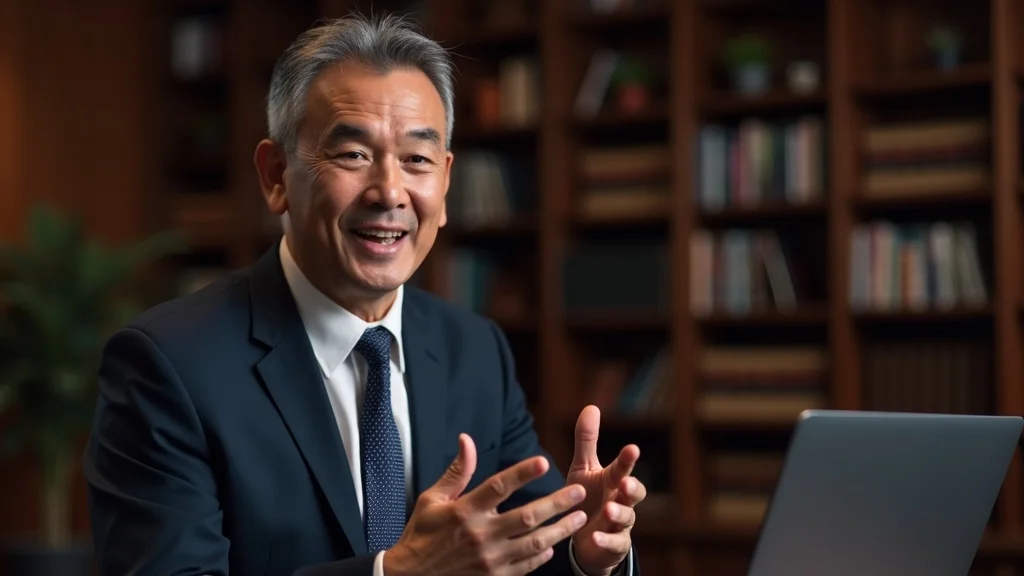


Confident immigration attorney recording AI-powered podcast, law studio background with legal books and digital audio, laptop with AI waveform visualization

AI Podcasts by the Numbers: Adoption, Growth, and Impact

Numbers tell a powerful story. The legal sector—especially among immigration attorneys—has seen AI podcast adoption rates rocket as law firms seek to modernize content delivery and grow their authority online. Here’s a comparative look:

Podcast Type

AI Adoption Rate (2024)

Annual Growth Among Law Podcasters

% Episodes with AI Integration

Standard Legal Podcasts

18%

7%

Less than 10%

AI Daily & Practical AI Podcasts

62%

27%

50–75%

AI Podcast by Nvidia (Legal Segment)

83%

33%

More than 90%

These figures show that integrating artificial intelligence in podcasts isn’t just a trend for techies—it’s a proven growth driver and differentiator for forward-thinking immigration attorneys.



Futuristic analytics display showing adoption rates and podcast growth for AI in law, interactive digital graph for AI podcasts

Expert Insights: Quotes on Artificial Intelligence in Podcasts

"AI-driven podcasts have reshaped how immigration attorneys reach and educate their clients. Automation meets legal expertise." — Dr. Elaine Kim, AI in Law Specialist

Addressing Concerns: Ethics and Legal Ramifications of Artificial Intelligence in Podcasts

With power comes responsibility. The legal profession’s ethical standards demand scrutiny as artificial intelligence in podcasts accelerates. Attorneys must navigate new challenges—from ensuring informed consent to upholding the reliability of AI-generated legal content.

  • Informed consent from podcast guests: AI-powered recordings and editing require new standards for consent, especially when content may be modified or repurposed by AI tools.

  • Bias and reliability of AI-generated legal advice: AI agents and language models rely on datasets that may inherit bias—so attorneys must review AI-generated content for inaccuracies or misrepresentations to prevent client harm.

  • Best practices for upholding professional standards: Using leading AI tools, it is recommended to cross-check facts, maintain legal privilege, and avoid dependency on general-purpose large language models for nuanced legal analysis.



Legal team consulting with AI legal compliance software, reviewing documents for ethical and legal podcast standards

Anatomy of a Successful AI Podcast: Case Studies

Success in the legal podcasting space is increasingly defined by bold adoption of practical AI strategies. Compare two scenarios: a traditional podcast with slow, manual edits, and a modern show powered by AI podcast tools. The latter leverages ai daily episode features, automated content indexing, and even generative ai guest voices to vastly improve content consistency, reach, and authority.

For instance, leading ai podcasts often report 50% time savings in post-production and a measurable boost in audience engagement—thanks to actionable insights and personalized legal content. In this new era, landing on the “essential listen” lists is increasingly about who has the best AI toolset, not just the best microphone.



Side-by-side traditional and AI-powered podcast studio setups showing tech upgrade and workflow improvements for legal podcasts


Power Strategies: Practical AI for Optimizing Law Podcasts

5 Essential AI Tools for Immigration Attorneys’ Podcasts

  • Descript: Automated editing, transcription, and AI-voice cloning for legal podcasts.

  • Sonix.ai: Multilingual transcription and translation for international client communication.

  • Otter.ai: Real-time meeting summary and show notes generation powered by language models.

  • Castmagic: Episode feature detection, automated highlights, and practical AI-driven workflow automation—saving attorneys hours on every episode.

3 Workflow Automation Tips Using AI Podcasts

  1. Batch record and auto-transcribe episodes using AI tools to maximize your time and reach more clients weekly.

  2. Leverage AI-generated show notes and summaries to create blog posts and website content—multiplying every recording’s value for SEO and education.

  3. Automate multi-language versions of each episode using large language models and machine translation, expanding your reach across immigrant communities.


People Also Ask: Artificial Intelligence in Podcasts

How can immigration attorneys use artificial intelligence in podcasts for client outreach?

Immigration attorneys can use artificial intelligence in podcasts to automate key content creation tasks—like summarizing legal developments, translating episodes, and generating interactive client Q&A. AI podcast tools allow attorneys to consistently produce engaging, up-to-date episodes that address clients’ real-world questions, thereby building trust and extending their client-acquisition reach far beyond traditional word-of-mouth strategies.

Are AI podcasts more effective than traditional legal podcasts?

Yes, ai podcasts leverage machine learning, practical AI, and large language models to automate workflows and personalize content. This leads to episodes that are timelier, more informative, and relevant—making them highly effective at retaining listeners and attracting new clients. Law podcasts that harness artificial intelligence are often perceived as more authoritative and accessible, especially for listeners with language barriers.

Does using AI in podcasts raise confidentiality concerns?

Using artificial intelligence in podcasts introduces additional risk factors around data privacy and client confidentiality. Attorneys must choose AI tools with robust security measures, limit sensitive data exposure, and carefully review any AI-generated content before publication. As with all technology in law practice, compliance with legal ethics and professional standards should always come first.


FAQs: Artificial Intelligence in Podcasts for Immigration Attorneys

  • What is the ROI of incorporating artificial intelligence in podcasts for legal practices?
    By saving time on editing, automating translations, and improving episode consistency, attorneys report up to a 4x return on investment from AI-enabled podcasting. More clients and higher engagement follow smart workflows.

  • How can attorneys ensure AI-generated episodes remain compliant with legal ethics?
    Attorneys should review all AI outputs, use legal-specific AI models where possible, and implement regular compliance checks. Transparency with listeners about the use of AI is also essential for trust and ethics.

  • Are there platforms specializing in ai podcasts for the legal sector?
    Yes, firms like Descript, Otter.ai, and Castmagic, all provide tailored solutions for attorneys aiming to maximize the security, quality, and reach of their legal podcasts.



Modern FAQ scene, legal tech advisor with AI podcast production dashboard, bright co-working space

Key Takeaways from Artificial Intelligence in Podcasts for the Legal Field

  • Artificial intelligence in podcasts boosts efficiency and content consistency for immigration attorneys.

  • Ethical considerations must remain front and center when applying AI to legal podcast content.

  • Adopting AI podcast tools now can be a competitive advantage for law firms.

Moving Forward: The Future of Artificial Intelligence in Podcasts for Immigration Attorneys

The future belongs to immigration attorneys who harness AI daily and practical AI tools in podcasting to expand their authority, serve diverse clients, and operate at the forefront of legal innovation.

If you’re inspired to take your legal content strategy even further, consider exploring the broader landscape of AI-powered digital media production. By understanding how advanced tools and publishing platforms can elevate your entire practice—not just your podcast—you’ll be better equipped to lead in a rapidly evolving digital world. Discover more about the full spectrum of AI-powered digital media solutions and unlock new opportunities for growth, authority, and client engagement in your legal practice.

Ready to Create Your AI-Powered Podcast To Grow Your Authority? Get Started at https://www.newmedialocal.com/ai-powered-podcast/

Don’t wait—start building your own AI-powered legal podcast today and stay ahead of the competition.

Sources

  • Descript – https://www.descript.com/

  • Otter.ai Blog – https://otter.ai/blog/how-ai-revolutionizes-podcasting/

  • Castmagic – https://www.castmagic.io/resources/law-podcasts-ai

  • Sonix.ai – https://www.sonix.ai/

  • LawSites Blog – https://lawsitesblog.com/2024/01/new-ai-tools-for-legal-podcasts.html


Artificial intelligence is revolutionizing the podcasting landscape, offering tools that enhance content creation and listener engagement. For instance, Microsoft’s Copilot now enables users to generate personalized virtual podcasts on any topic, allowing real-time interaction as if participating in the show. (windowscentral.com) Additionally, Adobe’s Enhanced Speech tool utilizes AI to transform subpar audio recordings into studio-quality sound, making professional-grade podcasts accessible to creators without high-end equipment. (en.wikipedia.org) These advancements demonstrate how AI is streamlining production processes and elevating the overall quality of podcast content.

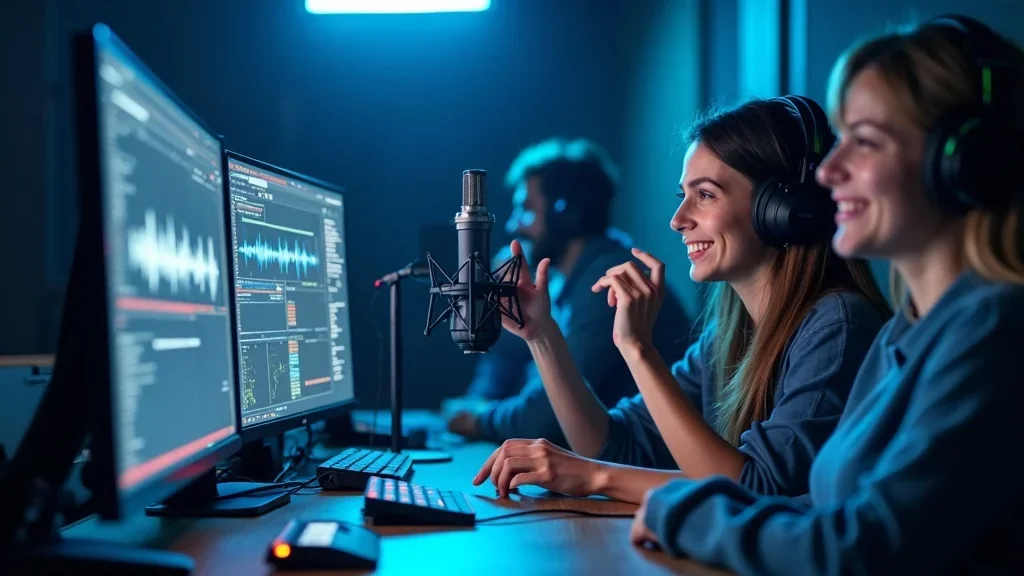
AI Podcast

37 Views

0 Comments

Write A Comment

*
*
Related Posts All Posts
01.07.2026

How AI-Generated Podcasts Are Revolutionizing Legal Marketing: Insights from LinkedIn's Feature on New Media Local

In a rapidly evolving digital landscape, the legal industry is discovering innovative ways to connect with audiences. A recent feature on LinkedIn highlights how AI-generated podcasts are becoming a game-changer for attorneys, particularly those in immigration and social justice. Lorita Marie Kimble, an expert from New Media Local, shares her insights on this transformative trend. AI-generated podcasts are proving to be a powerful tool for legal professionals. With 80% of podcast listeners finishing every episode, this medium offers a unique opportunity for attorneys to engage with their audience in a meaningful way. The traditional methods of content creation can be time-consuming, but AI technology simplifies the process, allowing lawyers to focus on their practice while consistently delivering high-quality content. The feature article explains how AI podcast generators work. These platforms use advanced machine learning and natural language processing to automate podcast creation, from scripting to narration. By providing a topic or case summary, attorneys can produce professional-grade episodes without the usual time investment. This technology is particularly beneficial for immigration and social justice lawyers, who can deliver timely, accessible information to clients and prospects. Lorita Marie Kimble emphasizes the importance of personalized podcast messaging. For attorneys, the ability to tailor content to specific audiences—such as immigrant communities or civil rights activists—enhances trust and authority. AI tools enable multi-language support, breaking down barriers and making complex legal topics more approachable. The rise of AI-generated podcasts is not just a trend; it's a strategic advantage. Legal professionals adopting this technology are seeing improved engagement, enhanced SEO, and increased referrals. As New Media Local's AI-powered digital media insights reveal, the potential for growth is immense. To explore how AI-driven podcasting can benefit your practice, read the full feature on LinkedIn. Discover how you can harness this technology to build authority, connect with clients, and thrive in the digital age. Originally featured in LinkedIn. Read the full article here: [AI-Generated Podcasts: Revolutionizing Legal Marketing for Immigration & Social Justice Attorney] https://www.linkedin.com/pulse/ai-generated-podcasts-revolutionizing-legal-marketing-gmiwe?utm_source=share&utm_medium=member_ios&utm_campaign=share_via

01.02.2026

Is future of AI in audio content the Game-Changer for Creators?

Did you know? Recent studies project that over 65% of all audio content will be influenced by AI by 2030, signaling a seismic shift in how we create, distribute, and consume soundThe Startling Statistics Behind the Future of AI in Audio ContentThe world of audio content is undergoing rapid transformation, with AI audio at the core. According to market research, AI-powered tools in audio production are predicted to quadruple in adoption over the next decade. These numbers aren’t just impressive; they highlight the urgency for content creators, especially immigration attorneys, to understand and leverage the power of AI. With more than half of the global audience now accessing podcasts and audio stories created or enhanced by AI, every professional involved in content creation must recognize that the next wave isn’t optional — it’s essential.Beyond adoption rates, the cost savings and increased speed in audio production are revolutionary. AI voice technology slashes editing and localization time from days to hours. In legal fields like immigration, this means timely, multilingual updates, and flexible distribution — reaching more clients, faster. Coupled with advancements in voice synthesis and deep learning, AI systems are narrowing the gap between machine and human voice, redefining audio content as we know it.How AI Audio Already Transforms Content CreationAI audio tools are now central to how podcasts, audiobooks, and even social media clips are created and delivered. Content creators utilize platforms driven by artificial intelligence to remove background noise, adjust sound quality, and generate transcripts in real time. This smooth workflow allows lawyers, educators, and artists to focus on delivering impactful messages—rather than technical editing. Powered by machine learning and neural networks, today’s AI analyzes language, emotion, and cadence, automatically adapting to audience preferences for a dynamic listening experience.Immigration attorneys are already using AI voice tech to record legal updates in multiple languages, ensuring that newcomers can access content tailored to their needs. Automated editing and script generation let professionals concentrate on important cases instead of time-consuming audio tasks. These changes aren’t in the distant future — they’re at work now, driving efficiency and accessibility across the board.For those interested in practical steps to leverage these innovations, exploring how to launch an AI-powered podcast can provide actionable guidance on integrating advanced audio tools into your workflow. This approach helps creators and legal professionals alike streamline production while maintaining high-quality, multilingual content.The Increasing Role of AI Voice and Voice Synthesis in Audio ProductionModern voice technology has evolved rapidly, with ai voice and voice synthesis capability growing more realistic by the month. Tools powered by deep learning create voices almost indistinguishable from human speech—complete with emotional inflections and natural pacing. The integration of AI voice tech is pushing the boundaries of personalization, letting content creators reach a truly global audience through easily customized and context-aware narration.For creators in legal sectors like immigration, these advancements mean you can narrate resources in multiple dialects with high clarity, while serving diverse listening habits across platforms. AI voice technology not only eliminates common barriers—like costly translation—but also ensures information is delivered in a culturally sensitive manner. As machine learning advances, it’s safe to say that audio production is being fundamentally transformed by the fusion of human direction and artificial intelligence.What You'll Learn About the Future of AI in Audio ContentUnderstanding current trends in AI audio and AI voice technology.How machine learning and deep learning are shaping voice tech.Impacts on podcasting, audio advertising, and content creation.The place of human creativity amid the rise of artificial intelligence in audio content.Opinion: Why the Future of AI in Audio Content is a Double-Edged SwordThe evolution of AI audio is an exciting opportunity and a real challenge for today’s content creators—especially those who rely on personal connection, nuance, and cultural awareness. While AI audio production offers unprecedented scalability, quality, and flexibility, it raises difficult questions about creative authenticity and ethical responsibility.For immigration attorneys, the ability to rapidly produce and localize explanatory audio is invaluable. Yet, relying heavily on voice synthesis and automation might sacrifice the distinctive empathy and expertise only a human voice can convey. The future of ai in audio content brings a double-edged sword: empowering creators like never before, but also demanding careful navigation of ethical, creative, and professional boundaries.Pros and Cons for Content Creators and Audio ProductionAdvantageChallengeScalability: AI lets you create content faster for wider, multilingual audiences.Human Touch: The warmth and intuition of a real voice may get lost in pure automation.Quality Consistency: Automated editing minimizes errors and ensures professional sound quality.Creative Freedom: Some tools limit creative input, favoring formulaic over innovative storytelling.Disruptive Trends: AI Tools and Voice Technology in Modern Audio ProductionThe integration of AI tools is significantly changing audio production workflows, opening up new possibilities for efficiency, creativity, and outreach. AI-driven editing software now automates tedious processes such as noise cancellation, pacing, and seamless splicing—freeing up valuable time for content creators. In podcasting and legal updates, these tools ensure content is always clear, professional, and ready for distribution.AI voice and voice synthesis technologies are especially transformative in migration law and similar fields, where maintaining accuracy and delivering timely messages across languages is critical. The adoption of AI voice technology by major audio platforms further signals that AI is not a trend—it’s fast becoming an industry standard.How AI Voice Tech Streamlines Audio Content WorkflowsImagine automating entire production pipelines with AI tools: scripting, recording, editing, publishing, and even custom marketing—all in a single dashboard. For immigration attorneys, this means you can produce, localize, and distribute client-facing audio faster than ever before. AI voice tech can also detect and neutralize background noise, provide powerful transcription services, and fine-tune sound quality with zero manual oversight.Deep learning models and neural networks adapt over time, learning from user preferences and continually refining listening experiences. These capabilities help busy professionals maintain an authoritative online presence, expanding the strategic use of audio content in reaching a diverse global audience. The future of ai in audio content isn’t just about fancy tech—it’s about radically redefining productivity and ensuring your voice is always heard.Voice Tech for Podcasting, Audio Advertising, and NarrationThe arrival of advanced voice tech has made professional podcasting, audio advertising, and narration accessible to all. AI voice synthesis lets creators generate high-quality narration, seamless translations, and even unique AI voices for distinctive branding. For podcasts and legal updates, this translates into rapid turnaround for relevant news and advice—delivered in voices tailored to specific client demographics and language preferences.In audio advertising, machine learning enables dynamic, data-driven campaigns that adjust in real-time to maximize impact. For immigration attorneys, these listen-on-demand legal guides, automated appointment reminders, or responsive Q&A, tap into AI’s potential to expand your reach. As AI voice technology matures, the barriers to creative audio content continue to fall, promising even more innovative—and inclusive—content creation in the future.Expert Quote: On the Transition to AI Audio and the Future of Audio"AI audio is not just a trend—it's redefining both the limits and possibilities of how we communicate and consume information."AI Voice Technology and Human Creativity—Conflict or Collaboration?As AI systems grow more sophisticated, can machine learning ever truly replace the human mind—or will the best results come from working side by side?Many experts believe that the real innovation in the future of ai in audio content will be a balanced fusion—where AI handles time-consuming tasks, freeing creators to focus on originality, vision, and emotional intelligence. For attorneys and content producers alike, this means leveraging AI for efficiency while ensuring authenticity and ethical standards are never compromised.The Intersection of Artificial Intelligence and Human Creative ProcessThe intersection between artificial intelligence and human creativity is both exciting and complex. AI-powered voice tech and sophisticated natural language processing can analyze massive volumes of data, providing fresh insights into audience preferences, trending topics, and optimal sound mixes. Yet, machine learning lacks the ability to truly empathize, connect, or respond to cultural nuance in the way a human creator can.By embracing AI voice tech as a collaborator rather than a competitor, creators can access unprecedented tools for brainstorming, content refinement, and distribution. In immigration law, for example, AI can co-create with attorneys to deliver highly-targeted, culturally relevant audio guidance, breaking down complex processes for diverse audiences worldwide.Machine Learning and Content Creation: Enhancing or Replacing?Machine learning is already enhancing content creation in ways never before imagined. Deep learning and neural networks drive ever-more-natural ai voices, capable of mimicking tone, emphasis, even humor. For the busy attorney, this could mean a virtual AI assistant recording multilingual client FAQs, or drafting scripts that adapt as new legal information arises.Despite incredible improvements, AI’s creativity is still fundamentally algorithmic, and lacks the judgment, ethics, and personal touches crucial for legal and sensitive communications. Rather than replacing creators, machine learning is best viewed as a technological amplifier—boosting efficiency and impact, but never fully supplanting the irreplaceable value of human insight.Case Studies: Where AI Audio is Already a Game-ChangerThe transformative effect of AI audio becomes most apparent when we look at real-world successes. Whether in podcasting, legal content, or advertising, the use of AI tools has already created measurable benefits—improved audience engagement, scalable production, and global impact.Immigration attorneys are now releasing professionally produced podcasts in several languages using AI voice synthesis, streamlining the process of guiding new arrivals through complicated documentation. In fast-paced industries, adopting AI voice technology means capturing audiences at just the right moment—before regulations change or opportunities vanish.Podcasting Enhanced by AI Voice TechnologiesPodcasts are among the earliest adopters of AI audio. AI-powered studios automate every step: from noise cancellation to editing to multi-lingual syndication. For lawyers and consultants, this means actionable advice can be delivered at scale, tailored to listeners’ language and preferences.With AI voices, hosts can even create unique virtual co-hosts, ensuring round-the-clock updates and Q&As. Listeners enjoy consistent quality, and creators benefit from minimized post-production demands. The global audience for legal podcasts is growing rapidly, driven in part by the timely, relevant content made possible through artificial intelligence.AI Tools in Audio Advertising and Multilingual ContentAI is revolutionizing audio advertising, making it smarter and more responsive. Advertisement scripts and narrations are now personalized using machine learning, dynamically adapting to user preference, listening history, and location. This level of customization delivers higher engagement and more meaningful connections with target audiences.For immigration law, AI-powered auto-translation and synthesis allow firms to publish legal briefings in dozens of languages—expanding reach and accessibility for non-English speakers. The future of audio content is not just more efficient, but more inclusive. With the right ai tools, any creator can deliver value worldwide, breaking the language barrier and establishing a reputation for authority and trust.Lists: Top AI Tools for Audio Production and Content CreationMarket-leading AI voice generatorsPopular AI-driven podcast editing softwareAutomated transcription and translation servicesChallenges and Ethical Concerns in the Future of AI in Audio ContentAs with any transformative technology, the future of ai in audio content brings serious challenges alongside its opportunities. The growth of voice cloning and deepfake audio raises real questions around authenticity, consent, and intellectual property. For legal and sensitive content, even minor inaccuracies can lead to significant harm, presenting new ethical considerations for content creators.Concerns about misuse—including the creation of misleading or fraudulent content—make ethical audio production and transparent AI usage more vital than ever. As AI tools become ubiquitous, navigating these difficulties while maintaining professional standards and trust will be an essential skill for the modern creator.AI Audio: Deepfakes, Privacy, and Misinformation RisksThe same technologies that enable stunning breakthroughs in content creation also introduce risks. AI audio can be manipulated to produce deepfakes—convincing but false representations of real people—or voice phishing scams aimed at deceiving the unwary. While these challenges are not unique to the legal sector, they present particular dangers for immigration attorneys, where trust and authenticity are paramount.Stricter privacy regulations and best-practice guidelines are emerging to ensure AI-generated audio is used responsibly. Creators must use robust safeguards, validate content sources, and clearly disclose the use of AI in publicly-released materials to protect both their reputations and their audiences.Ethical Practices for Audio Production Using Artificial IntelligenceTo ensure AI is an ally rather than a liability, creators should adhere to strict ethical standards. This includes disclosing when AI voices or automated editing are used, securing explicit consent for all recorded voices, and using only trusted tools that prioritize compliance with privacy and intellectual property laws.For law firms and immigration attorneys, ethical deployment of AI audio can build trust, demonstrate transparency, and position your practice as a forward-thinking leader. As the future of ai in audio content unfolds, setting an ethical example will become as important as delivering top-quality production.Machine Learning, Deep Learning, and Natural Language Processing ExplainedUnderstanding the technology powering AI audio is crucial for today’s content creators. Machine learning allows AI tools to analyze and learn from massive datasets of speech, sound, and language. Deep learning takes things further, enabling complex neural networks to generate more natural, nuanced voices and adapt over time.Natural language processing (NLP) is another vital pillar, helping AI interpret, transcribe, and translate spoken language with increasing accuracy. When combined, these technologies empower tools that can not only mimic human voice, but also capture intent, cultural context, and even emotion—bringing a human-like understanding to every facet of audio production.How Deep Learning Advances AI Voice and Voice SynthesisDeep learning algorithms are at the forefront of advances in voice synthesis and ai voice technology. By learning from vast collections of human speech, these systems can predict patterns, replicate inflections, and even generate entirely new voices that feel authentic. For content creators, this means the ability to design unique, brand-consistent voices or rapidly localize information without extra recording sessions.This technology also reduces costs and production times, empowering immigration attorneys to maintain fresh, frequent updates for their clients with unmatched quality and efficiency. The continued evolution of deep learning means that realistic, emotionally intelligent AI audio is more accessible—and more powerful—than ever.Natural Language Processing for Accurate Audio Content CreationAt the heart of accurate, effective AI-powered audio is natural language processing (NLP). NLP technology helps bridge the gap between raw audio and human understanding by recognizing context, intent, and subtle differences in language. This ensures that translations, summaries, and audio responses are not just technically correct—but also culturally and emotionally appropriate.As language processing practices improve, so do the accessibility and accuracy of automated transcription and translation services. For global-focused professionals such as immigration attorneys, these breakthroughs in NLP mean you can communicate with greater clarity and confidence in any market.Future of Audio: What Can Creators Expect Next?So what’s on the horizon for creators who embrace the future of ai in audio content? As AI voice technology, machine learning, and deep learning continue to advance, creators can expect not just enhanced efficiency but also new opportunities for engagement, personalization, and authority-building in every fieldAudio production will become more democratized, and creators with little technical background will access professional-grade results. For legal professionals, keeping pace with these trends will be essential to maintaining relevance and serving clients at the highest standards.Predictions for Voice Tech and AI Audio IntegrationExpect AI voice technology to integrate more deeply into everyday audio workflows, supporting everything from live translations to automatic compliance checks. Audience expectations will adjust, demanding not just high-quality sound but also responsible and transparent use of artificial intelligence.For professionals in legal content creation, agile adoption means the ability to provide up-to-date, multi-language resources to clients, wherever they are—a powerful differentiator in a crowded market.Evolving Roles for Human Creativity, Audio Advertising, and Machine LearningAs AI takes over repetitive tasks, the value of human creativity in audio content will only increase. Roles will shift from hands-on editing to creative direction, campaign strategy, and audience engagement. Audio advertising will harness AI not for replacement, but for amplification of human-led messaging, targeting, and innovation.Looking ahead, the most successful creators will be those who actively partner with AI systems, using insights from machine learning and NLP to inform and elevate their work.People Also Ask: The Future of AI in Audio ContentHow is AI changing the podcast industry?Answer: AI is automating audio editing, enhancing sound quality, and allowing rapid content localization, redefining the podcasting landscape.What ethical issues arise from AI voice synthesis?Answer: There are concerns over deepfakes, authentic representation, content ownership, and manipulation, making ethical guidelines essential.Will human creators become obsolete with advanced AI voice technology?Answer: While AI voice tech automates processes, human creativity and unique perspectives will keep creators essential as directors and innovators in audio content.How can immigration law practices benefit from AI audio content?Answer: Immigration attorneys can use AI audio for accessible multilingual guidance, automated legal updates in podcasts, and flexible content distribution to reach diverse clients.FAQs: Future of AI in Audio Content for CreatorsHow secure is AI-driven audio content?Is AI audio content accepted by major media platforms?Can AI voice synthesis sound completely natural?How can law firms use AI in content creation?Key Takeaways for Immigration Attorneys on AI in Audio ContentFuture of AI in audio content offers both opportunity and disruption for legal practitioners and creators.AI voice and synthesis technologies can help law firms reach clients faster, with localized and accessible guidance.Responsible use and understanding of machine learning, deep learning, and ethical audio production are crucial.Ready to Create Your AI-Powered Podcast To Grow Your Authority? Get Started at https://www.newmedialocal.com/ai-powered-podcast/Conclusion: Will AI Audio Define the Next Era of Content Creation?The future of AI in audio content is not just a trend—it's the next chapter in how creators inform, engage, and empower audiences worldwide. Now is the time to embrace AI's promise while shaping a responsible, human-centered future in every legal and creative field.If you’re inspired to take your digital media strategy to the next level, consider exploring the broader landscape of AI-powered digital media production and publishing. New Media Local offers a wealth of insights and resources for creators and professionals looking to harness the full potential of artificial intelligence across content formats. By staying ahead of emerging trends and adopting innovative tools, you can position yourself as a leader in the evolving world of digital storytelling. Dive deeper into advanced strategies and discover how AI can amplify your creative vision and business growth.SourcesBusiness Insider – https://www.businessinsider.com/ai-voice-technology-explained-2023-8Nieman Lab – https://www.niemanlab.org/2023/01/ai-audio-tools-podcasting/Forbes – https://www.forbes.com/sites/forbestechcouncil/2023/03/24/how-ai-is-revolutionizing-podcasting/ImmersiveMedia – https://www.immersivemedia.org/articles/deep-learning-voice-synthesis/American Bar Association – https://www.americanbar.org/groups/science_technology/publications/scitech_lawyer/2022/winter/the-ethical-challenges-ai-legal-practice/The integration of artificial intelligence into audio content is revolutionizing the landscape for creators, offering unprecedented tools and opportunities. For instance, Microsoft’s Copilot now enables users to generate personalized virtual podcasts on any topic, allowing real-time interaction as if participating in the show. (windowscentral.com) Similarly, TIME magazine has introduced an AI-generated audio briefing that presents top news stories through conversational dialogues between AI voices, enhancing accessibility and engagement. (time.com) These advancements underscore the transformative potential of AI in audio content creation, providing creators with innovative ways to engage audiences and streamline production processes.

01.01.2026

Discover How natural language processing podcasts Boost Engagement

In an era where legal professionals are hungry for an edge, are you tapping into the podcast revolution changing law practices faster than you might think? Breaking the Mold: Surprising Stats about natural language processing podcasts for Immigration Attorneys The professionals who’ve jumped on board are already reaping the benefits—are you ready to join them? What You'll Learn from natural language processing podcasts How natural language processing podcasts demystify complex concepts like machine learning and language processing for legal professionals. Ways to leverage NLP highlights and language model discussions for practical application in your immigration law practice. Key takeaways from leading intelligence podcast episodes specializing in natural language. The Value of natural language processing podcasts for Immigration Attorneys natural language Insights: Bridging Law and AI Natural language processing podcasts are exceptional at breaking down the intersection of artificial intelligence, machine learning, and day-to-day legal work for immigration attorneys. The growing prevalence of holistic intelligence podcasts means that legal professionals can easily digest advanced topics—like how language models help interpret contracts, legal briefs, or policy statements for non-native speakers. Through engaging nlp highlights and real-world case studies, attorneys gain the insights needed to apply AI-driven strategies in client consultations and document review. These podcasts often invite researchers to talk about their work in various areas in natural language, offering a unique blend of expert analysis and practical tools. When legal professionals listen and relate these insights back to their own cases, they foster a culture of continual learning, driving better results for themselves and their clients. Highlighting nlp highlights and Emerging Trends Staying ahead of the curve is vital for immigration attorneys who want to offer leading-edge service. That’s why nlp highlights and emerging trends discussed in intelligence podcasts are so important. Episodes dedicated to language modeling, deep learning, and machine learning can help attorneys understand the tech landscape without overloading them with jargon. Whether it’s a new update in neural network architectures or practical takeaways for document automation, the views expressed on these podcasts are tailored to legal professionals. Regular exposure to intelligence podcast episodes, holistic intelligence podcast interviews, and the highlights podcast interviews help attorneys implement active NLP strategies and boost their competence across various client needs. By demystifying topics that once seemed exclusive to developers, these podcasts empower attorneys to keep up with the latest trends while making smarter, faster decisions for their law practices. For attorneys interested in taking their expertise further, exploring how AI-powered digital media production can enhance your legal content strategy is a smart next step. Discover practical approaches and tools at New Media Local’s AI-powered digital media production hub, where you’ll find resources tailored for professionals embracing technology in their practice. How natural language processing podcasts Simplify Language Processing and Deep Learning For most immigration attorneys, language processing, deep learning, and interpreting the decisions of language models can feel overwhelming—especially when working with international clients and complex legal documents. Natural language processing podcasts transform these high-level concepts into relatable, actionable steps. Through in-depth discussions on how AI systems interpret and generate natural language, and what machine learning could mean for your practice, podcasts give lawyers concrete ways to use technology for more accurate translations, better understanding of client histories, and streamlined case management. This isn’t just theory; attorneys report improvements in documentation accuracy and communication—directly attributing these changes to practical advice gained from podcast linked content. As new active NLP content emerges, legal professionals can rely on these platforms to stay updated and enhance their ability to advocate for diverse clients, regardless of language barriers. Table: Top natural language processing podcasts for Immigration Attorneys Podcast Name Focus Area Key Takeaway Recommended Episode AI Immigration Machine Learning, Law Practical AI in Immigration Law 'AI vs Policy' Law & Language Language Processing Legal Language Simplified 'Jargon Busters' NLP LawCast NLP Highlights Natural Language in Practice 'Immigration Case Studies' Deep Law AI Deep Learning, Law Advanced AI Use 'Learning from Models' Expert Quote: Why natural language processing podcasts Matter "natural language processing podcasts bridge the knowledge gap for immigration attorneys, offering actionable insights in language processing, machine learning, and more." — Dr. Elena Foster, AI Legal Researcher Lists: Must-Listen natural language processing podcasts for Attorneys AI Immigration – Stay updated on natural language and legal intersections. NLP LawCast – Weekly NLP highlights and language model case studies. Deep Law AI – Deep dive into advanced deep learning applications for attorneys. Law & Language – Simplified practical language processing advice. People Also Ask: Top Questions about natural language processing podcasts How can natural language processing podcasts help attorneys understand AI? These podcasts break down complex AI, machine learning, and language processing topics into bite-sized, actionable advice that makes sense for busy attorneys. Instead of drowning in technical details, attorneys get clear explanations, real-world legal applications, and tools to implement in their practice. Listening to active NLP highlights podcast interviews or intelligence podcast segments helps bridge the gap between theory and practice, allowing attorneys to confidently navigate the challenges of modern law with the support of AI-driven language models and deep learning insights. What makes natural language processing podcasts different from other legal podcasts? Natural language processing podcasts are unique because they exclusively zoom in on topics that blend law, language models, NLP highlights, and advanced deep learning. While general legal podcasts might touch on new case law or practice management tips, these podcasts focus on holistic language processing, machine learning breakthroughs, and how AI is shaping the client-attorney relationship. Attending to specific legal challenges for immigration attorneys, these intelligence podcast episodes deliver tailored advice that’s practical and forward-facing, helping attorneys keep up with both the latest trends and their clients’ evolving needs. Are there any intelligence podcast episodes focused on immigration law and NLP? Absolutely! Many intelligence podcasts, like AI Immigration and Holistic Intelligence Podcast, regularly feature NLP highlights and special segments devoted to immigration law. You’ll find deep dives into active language processing models, prompt engineering, and interviews with legal tech pioneers. For example, episodes such as 'AI Immigration: New Frontiers in Legal Practice' and 'NLP LawCast: Immigration Case Studies' invite both researchers to talk about their work and attorneys to share results, ensuring you always have timely resources at your fingertips. Watch how leading attorneys are leveraging natural language processing podcasts to improve practice management and client communication. FAQs: natural language processing podcasts for Immigration Attorneys Which natural language processing podcasts offer content for beginners? Beginner-friendly podcasts like Law & Language and the opening episodes of NLP LawCast explain foundational AI and language processing topics in easy-to-understand language, welcoming those new to AI tools in law. How can I apply machine learning insights from these podcasts? Test case automation, smarter legal research, and improved translation accuracy are just a few ways attorneys are putting machine learning recommendations from these podcasts into action within their practices. Do natural language processing podcasts include case law discussions? Yes, especially AI Immigration and Deep Law AI, which blend discussion of legal precedents and recent case studies where language models or NLP tools played a defining role. How often are new NLP highlights released in these podcasts? Most leading podcasts offer weekly or bi-weekly episodes, ensuring you get the latest trends and actionable tips on emerging technologies without delay. What are the best intelligence podcast hosts for attorney-centric topics? Hosts like Dr. Elena Foster (NLP LawCast) and Samir Patel (AI Immigration) are known for clarity, real-world experience, and regularly inviting researchers and legal thought leaders to discuss language models, active NLP content, and the future of legal tech. Key Takeaways: natural language processing podcasts as a Tool for Attorney Engagement natural language processing podcasts clarify AI and language processing for immigration attorneys. Stay competitive and informed through NLP highlights and deep learning discussions. Practical podcast listening enhances efficiency and service quality in legal practice. Start Listening: Grow Your Practice with natural language processing podcasts Ready to Create Your AI-Powered Podcast To Grow Your Authority? Get Started at https://www The future of law is being shaped by those who embrace innovation—so why not be among the first to leverage these advanced tools? Dive deeper into the possibilities and discover how technology can transform not just your podcast strategy, but your entire approach to legal service and client engagement Sources American Bar Association – https://www.americanbar.org/groups/law_practice/publications/law_practice_magazine/2023/ml-legal-podcasts/ LawNext – https://www.lawnext.com/2023/02/legal-podcasts-exploring-ai-nlp.html NLP Law Podcasts – https://www.nlplawpodcasts.com/best-legal-nlp-shows/ NewMediaLocal – https://www.newmedialocal.com/ai-powered-podcast/ Exploring the realm of natural language processing (NLP) can significantly enhance your understanding and application of AI in legal practices. For a foundational grasp of NLP concepts, the episode “Natural Language Processing (NLP) Concepts” from the Generative AI 101 podcast offers a concise breakdown of essential techniques such as tokenization, stemming, and Named Entity Recognition. (podbean.com) Additionally, “The Power of Linguistics: Unpacking Natural Language Processing Ethics with Emily M. Bender” from The Radical AI Podcast delves into the ethical considerations and societal impacts of NLP, providing valuable insights for professionals integrating AI into their workflows. (podbean.com) Engaging with these resources will equip you with both the technical knowledge and ethical perspectives necessary to effectively incorporate NLP into your legal practice.

Terms of Service

Privacy Policy

Core Modal Title

Sorry, no results found

You Might Find These Articles Interesting

T
Please Check Your Email
We Will Be Following Up Shortly
*
*
*